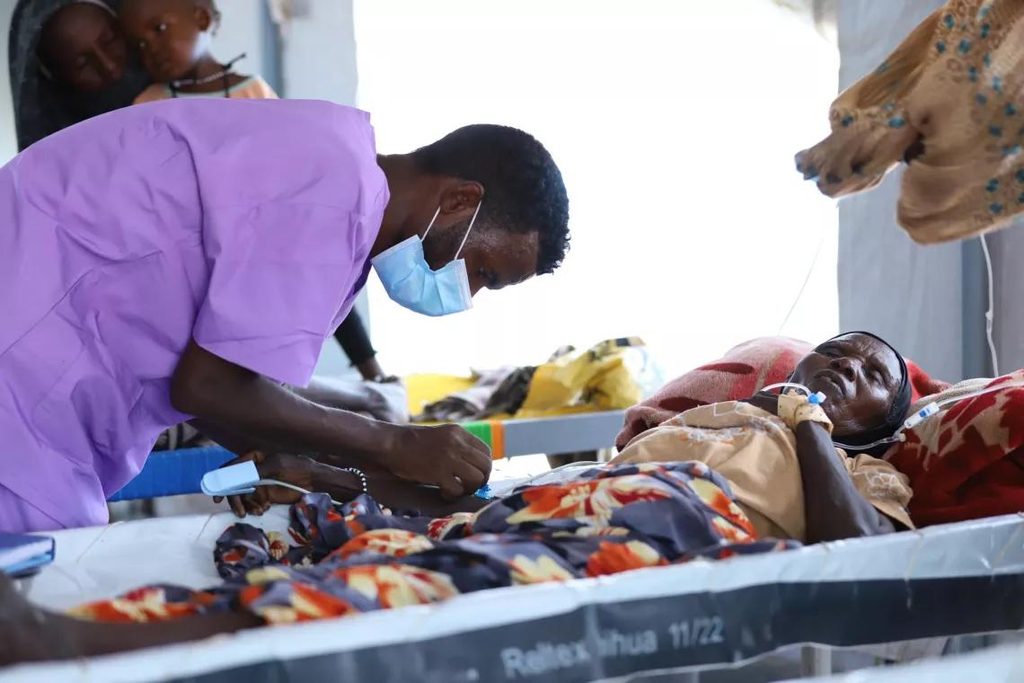
A cholera outbreak has claimed 207 lives and infected 2,800 people across Sudan’s North and South Kordofan states, according to United Nations figures, as escalating fighting and mass displacement place further pressure on the country’s already fragile healthcare system.
The United Nations Population Fund (UNFPA), citing Sudan Health Cluster data recorded through September 30, reported 1,501 cholera cases and 92 deaths in North Kordofan, while South Kordofan registered 1,299 infections and 115 fatalities.
The figures highlight the continuing threat posed by infectious diseases in conflict-affected regions, where damaged infrastructure, overcrowded displacement shelters and limited access to healthcare have complicated efforts to contain outbreaks.
Fighting displaces more than 52,000 in Blue Nile
The UN agency also warned of a deteriorating humanitarian situation in Blue Nile state, where intensified military operations and the expansion of fighting into southern areas displaced approximately 52,629 people during September.
Nearly 12,000 displaced residents have sought refuge in overcrowded schools, many lacking adequate sanitation, electricity and other essential facilities.
The agency said conditions in the temporary shelters were placing additional pressure on already overstretched health and protection services.
Across the three Kordofan states, continuing insecurity, drone strikes and clashes around El Obeid, Bara, Dilling, En Nuhud and Abu Zabad have forced further population movements and disrupted access to humanitarian assistance.
The combination of armed conflict, displacement and inadequate basic services has intensified concerns over the vulnerability of communities already struggling with food shortages and deteriorating living conditions.
Women and girls face growing protection risks
UNFPA said security assessments and joint humanitarian evaluations conducted in North Darfur, North Kordofan and West Darfur identified severe and worsening risks of gender-based violence.
Women and girls remain particularly vulnerable as displacement, insecurity and limited access to protection services undermine their safety.
Humanitarian organisations have repeatedly warned that overcrowded shelters and the breakdown of essential services increase the risks faced by displaced populations.
UN humanitarian appeal faces $78 million shortfall
The agency also raised concerns over a substantial funding gap threatening its humanitarian operations across Sudan.
UNFPA said its 2026 humanitarian appeal, which seeks $129.2 million, was only about 40% funded, leaving an estimated shortfall of $78 million.
Despite the funding constraints, UNFPA and its partners provided more than 145,000 sexual and reproductive health services across 17 Sudanese states during September through healthcare facilities and mobile medical teams.
The agency also reached approximately 93,000 people with services addressing gender-based violence, including psychosocial support, safe spaces and essential supplies.
However, UNFPA warned that existing resources remain insufficient to meet the growing needs of women and girls affected by Sudan’s prolonged conflict.
The latest findings underscore the mounting humanitarian pressures across Kordofan, Blue Nile and Darfur, where continued fighting and displacement have severely weakened access to healthcare, sanitation and other essential services.