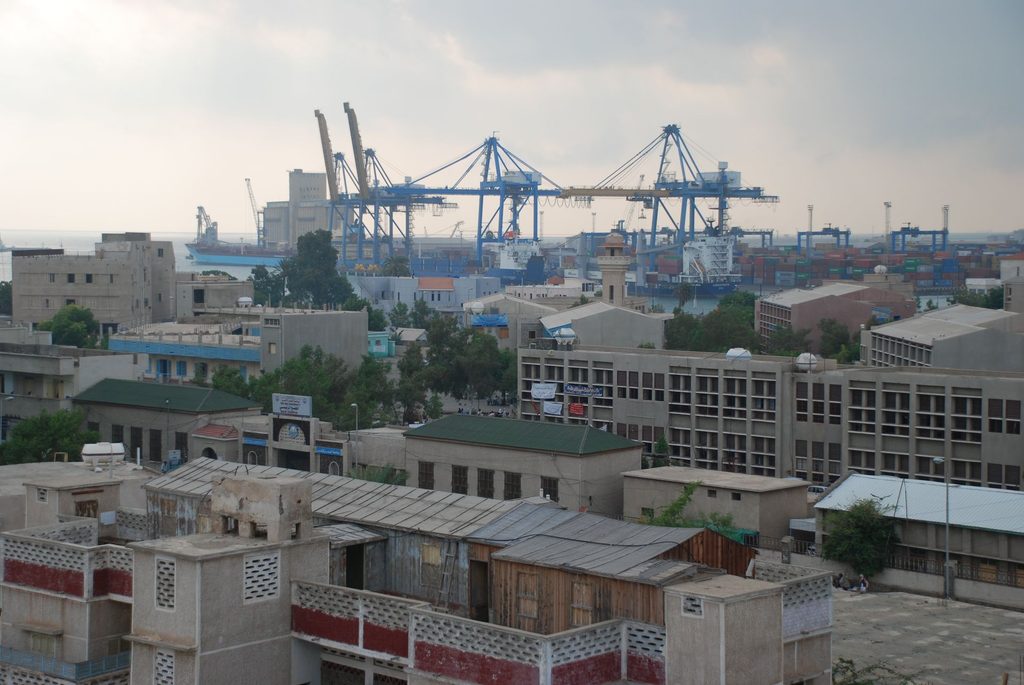
Saudi Arabia would not oppose a possible Turkish naval base on Sudan’s Red Sea coast, Italy’s Agenzia Nova reported, as Ankara deepens military cooperation with the SAF government.
The agency’s November 11 report cited Sudanese sources who said closer Saudi-Turkish defence ties had eased Riyadh’s earlier resistance to such a presence. The sources also suggested Russia could gain access to the proposed facility.
They claimed army chief Abdel Fattah al-Burhan had discussed the prospect with Russian President Vladimir Putin during a Russia-Africa summit on October 28.
The reported Saudi position, possible Russian access and account of the Burhan-Putin discussion remain unconfirmed. The material cited does not establish that a basing agreement has been signed.
The report follows a November 2–5 visit to Port Sudan by representatives of Turkey’s naval command and General Directorate of Shipyards. The delegation inspected ship repair workshops and a slipway, and met Sudanese navy commander Mahjoub Bushra Ahmed Rahman.
Turkey’s Defence Ministry described the mission as an assessment aimed at strengthening Sudan’s shipbuilding and maintenance capabilities. Its statement did not announce a permanent Turkish deployment.
The visit has nevertheless renewed debate over whether technical cooperation could develop into a longer-term military arrangement on a coastline bordering one of the world’s busiest shipping routes.
Political analyst Abdullah al-Suhaim, in posts on X cited by Al-Rakoba, argued that improved relations between Turkey and Saudi Arabia could facilitate a Turkish foothold in Sudan. His assessment echoes the position attributed to Nova’s sources, although neither constitutes an official Saudi endorsement.
Turkey’s interest in Sudan’s coast dates back to President Recep Tayyip Erdogan’s December 2017 visit, when Ankara reached an agreement with then-president Omar al-Bashir to restore the historic port of Suakin and develop tourism and maritime facilities.
Plans included a dock servicing civilian and military vessels, fuelling concerns about potential military use. The project lost momentum after Bashir’s overthrow in 2019, although Ankara denied that the agreement had been cancelled.
The latest reporting does not establish that the Suakin project is being revived or identify an agreed location for a Turkish base.
Potential Russian access would add another complication. Moscow has long pursued its own naval facility in Sudan. Sudanese reports in late 2025 said Burhan had told Riyadh that plans for foreign military bases, including the Russian project, had been frozen.
An arrangement allowing Russia to use a Turkish facility would raise questions about the scope of those assurances and the terms the SAF government might now accept.
Any long-term basing agreement would also face questions about sovereignty and oversight. Burhan led the October 2021 coup that removed the civilian-led transitional government, and the SAF government operates without an elected parliament to scrutinise such commitments.
The terms of any agreement, its duration and a future civilian administration’s ability to review it would therefore be central to the debate.
For Turkey, a Sudanese base would extend a regional military presence already established through training and maritime cooperation in Somalia. Improved relations with Egypt and Saudi Arabia could ease its path, but their security interests do not necessarily translate into support for every aspect of a Turkish deployment.
The naval inspection has established closer technical engagement. Whether that develops into a permanent base — and whether Russian vessels would gain access — remains unresolved.