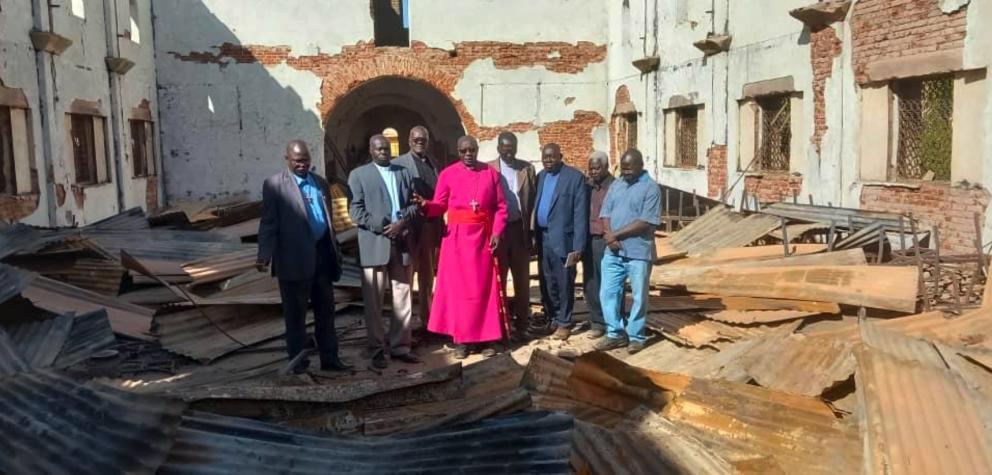
An Omdurman church facing demolition by local officials under Sudan’s SAF government has become a focus of wider concerns over pressure on Christians and the growing influence of army-allied Islamists.
The Sudanese Church of Christ in Al-Murzouq serves about 300 worshippers. Its leaders say they hold legal documents establishing ownership of the land for more than five decades, but officials maintain that the building occupies public land.
The unresolved dispute comes as Christian leaders and former officials warn that religious freedoms gained during Sudan’s civilian-led transition have been eroded since the October 2021 military coup and the subsequent war.
According to the Sudanese demands-based organisations coalition, known as TAM, land officials arrived without notice at the church in Block 59 on July 21 and informed its leaders of plans to demolish it.
Pastor Tia Malasa Koko said the congregation presented ownership deeds and legal documents for the church, whose building dates to the late 1980s.
Officials referred church representatives to land authorities in Karari locality, which sent them to the religious affairs ministry. The documents were subsequently transferred to the engineering and urban planning department, where the case remained unresolved, he said.
The congregation initially received two weeks to settle the dispute, followed by a one-week extension in early August. Church leaders say they have since received no assurance that the building will be protected.
Koko described the threatened demolition as an attack on the congregation’s faith and religious property.
The report, published by Al-Rakoba and credited to Sky News Arabia, contained no response from the SAF government or local officials to the church’s ownership claims. It reported no final ruling resolving the dispute or confirmation that demolition had begun.
Religious freedoms under pressure
Civilian politicians and activists say the church’s predicament reflects a broader return of restrictive practices as figures associated with former president Omar al-Bashir’s Islamist movement regain influence in state institutions.
They point particularly to security agencies and local administrations, where they say Islamist networks rebuilt their presence after the military overthrew the civilian-led transitional government.
Former religious affairs minister Nasr al-Din Mufreh said the transitional government approved the construction of 14 churches in 2020 in an effort to reverse longstanding restrictions. Those approvals were never implemented because of the coup, he said.
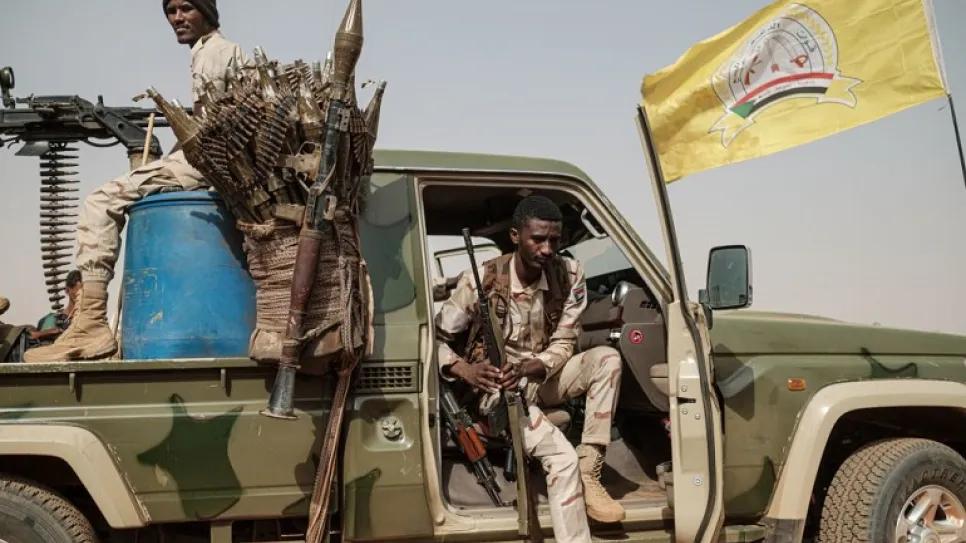
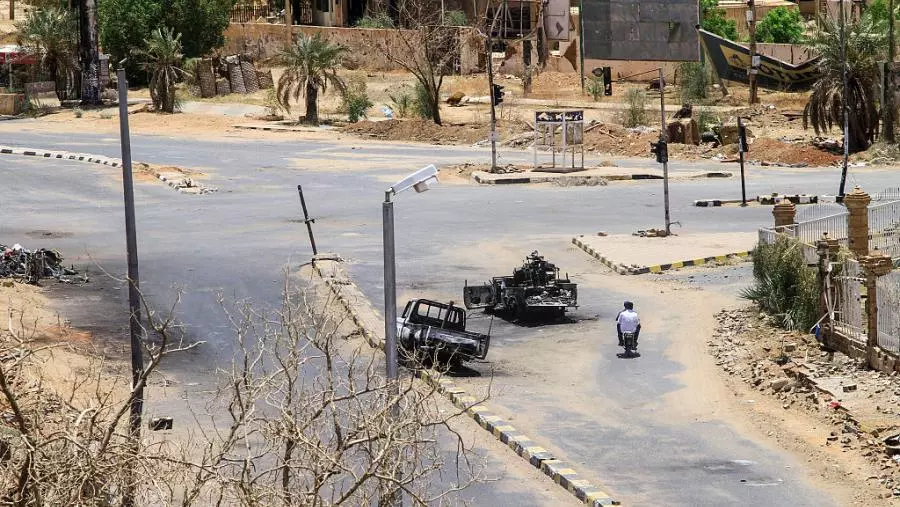
The war between the Sudanese Armed Forces and the Rapid Support Forces, which began in April 2023, has compounded the risks facing Christian communities, exposing places of worship to violence while weakening avenues for legal protection.
Mufreh said the conflict had blurred the boundaries between war, politics and religion. Activists and local sources cited in the report said it had also allowed extremist groups greater freedom to operate without accountability.
Demolitions and intimidation
Church sources cited in the report said 13 churches had been demolished in Khartoum and other areas since the army regained control of the capital in March 2025.
The demolitions were carried out under campaigns to remove informal settlements, although the buildings remained active places of worship, the sources said.
The report also cited threatening graffiti on two longstanding churches in Port Sudan and an alleged army drone strike on a Christmas gathering in Julud, in South Kordofan’s Nuba Mountains, that reportedly left 31 people dead or wounded.
These accounts form the broader backdrop to the Al-Murzouq dispute, where church leaders continue to seek recognition of their ownership documents and protection against demolition.
For the congregation, months of referrals between SAF government offices have produced no resolution. Its leaders say losing the church would deprive hundreds of Christians of an established place of worship.