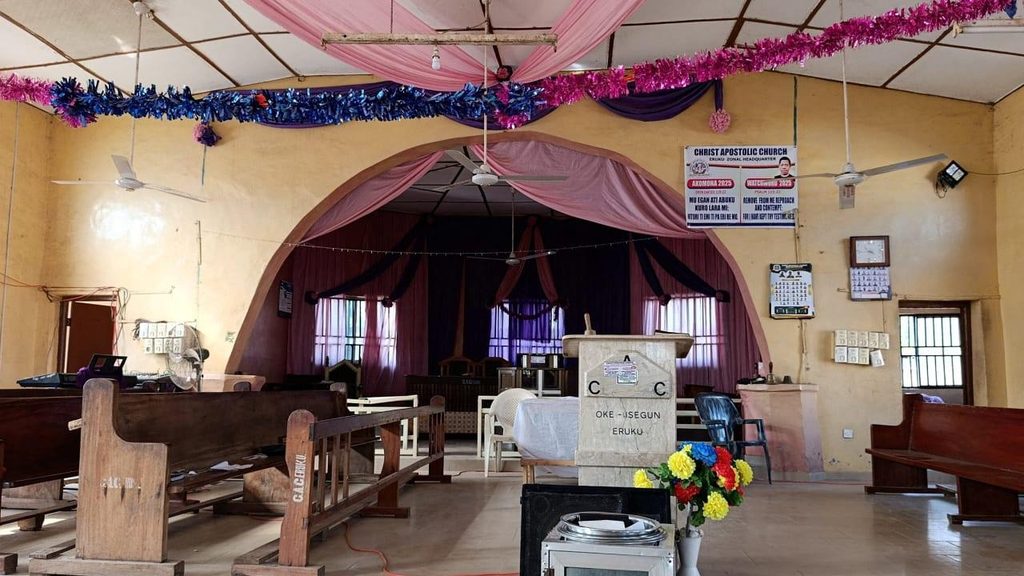
US State Department officials told a congressional hearing on Thursday that attacks targeting Christian communities had continued more than a year after President Donald Trump designated Nigeria a “country of particular concern” over religious freedom violations.
Assistant Secretary of State for African Affairs Frank Garcia said Washington was working closely with Nigerian officials to confront the violence and ensure those responsible were brought to justice.
“Unfortunately, the violence has not stopped,” Garcia told lawmakers.
Trump announced the designation in October 2025 and subsequently threatened military intervention over attacks against Christians in Africa’s most populous nation.
Nigeria rejected the designation, describing it as based on inaccurate information and arguing that the country faces a broader terrorism crisis rather than a campaign of religious persecution.
Nigerian officials have maintained that extremist violence affects communities across religious lines and have expressed willingness to cooperate with Washington against Islamist armed groups, provided Nigeria’s sovereignty is respected.
Security measures fail to halt killings
Assistant Secretary of State Riley Barnes acknowledged that Nigerian authorities had expanded police recruitment, deployed forest guards and increased arrests and prosecutions following Washington’s designation.
However, he said those measures had failed to produce meaningful improvements in security for Christian communities in the country’s troubled Middle Belt.
Republican Representative Riley Moore raised concerns over escalating attacks in central Plateau State, questioning whether Nigerian security forces were doing enough to dismantle armed groups responsible for killings and displacement.
Moore urged Washington to maintain Nigeria’s designation, arguing that Abuja had not demonstrated sufficient progress in protecting threatened communities.
“We cannot take this CPC designation off this country. They have not done enough,” Moore said.
Violence overshadows 2027 elections
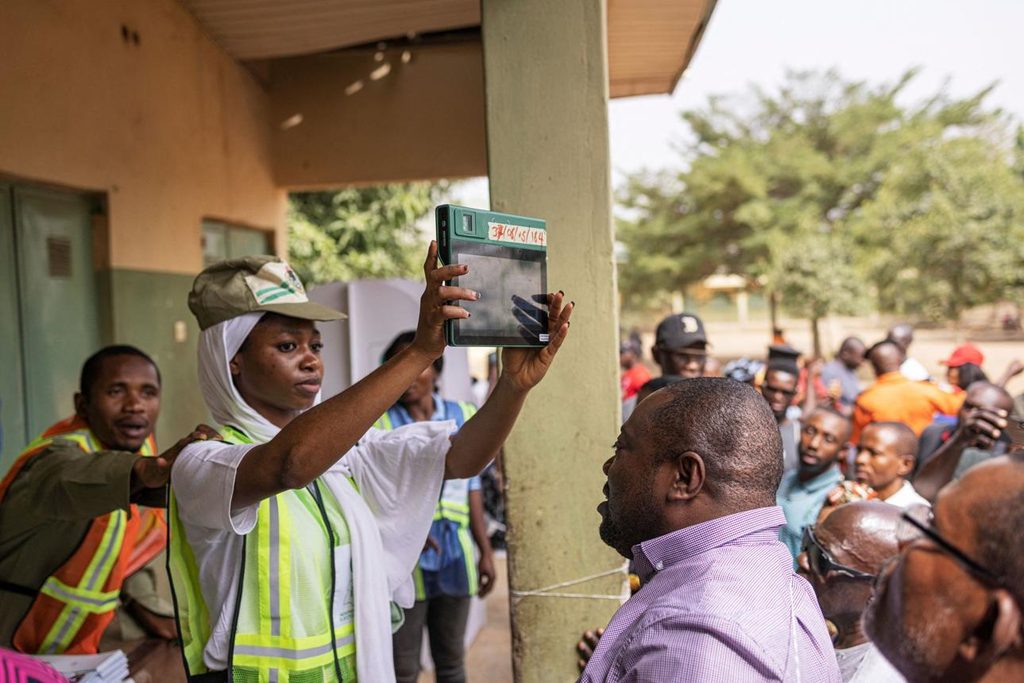
The renewed US pressure comes as Nigeria prepares for presidential and parliamentary elections scheduled for January 16, 2027, with insecurity emerging as a central campaign issue.
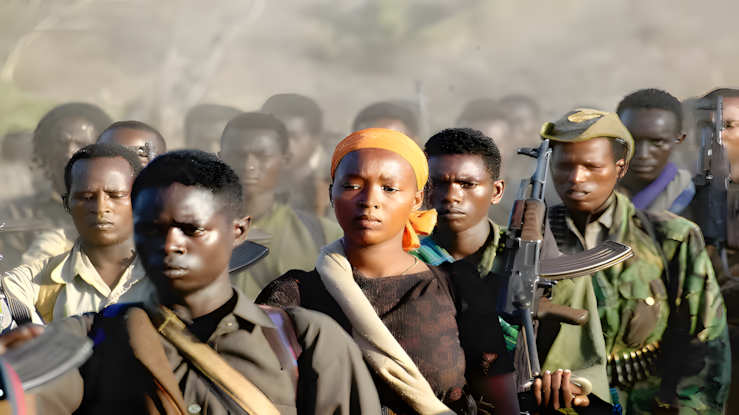
The country continues to face overlapping security threats, including Islamist insurgencies in the northeast, armed banditry, deadly farmer-herder clashes across central and northern states, and widespread kidnappings for ransom.
Christian communities in parts of the Middle Belt have experienced repeated attacks, while broader violence has also affected Muslim populations and communities caught in disputes over land, resources and ethnic identity.
Nigeria, home to more than 200 ethnic groups and substantial Christian and Muslim populations, has long struggled to contain violence driven by a combination of religious extremism, communal tensions and competition over scarce resources.
Washington’s latest assessment signals that Nigeria’s security response remains under scrutiny, with US lawmakers demanding measurable improvements in civilian protection before considering any relaxation of diplomatic pressure.