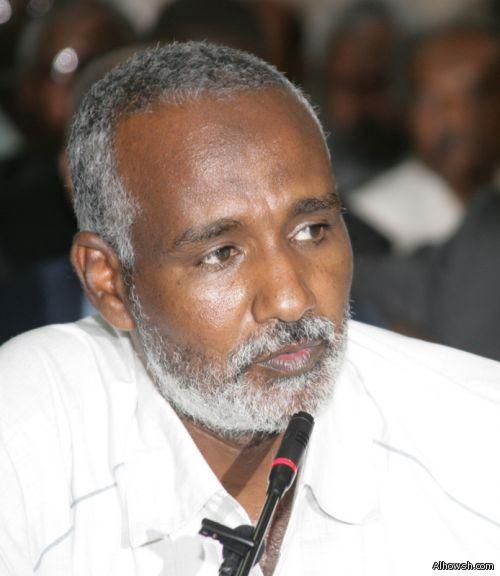
Fresh details have emerged about a widening power struggle within Sudan’s Islamist movement, with influential figure Osama Abdullah accused of using extensive financial networks, military connections and foreign relationships to establish a rival faction outside the organisation’s traditional leadership.
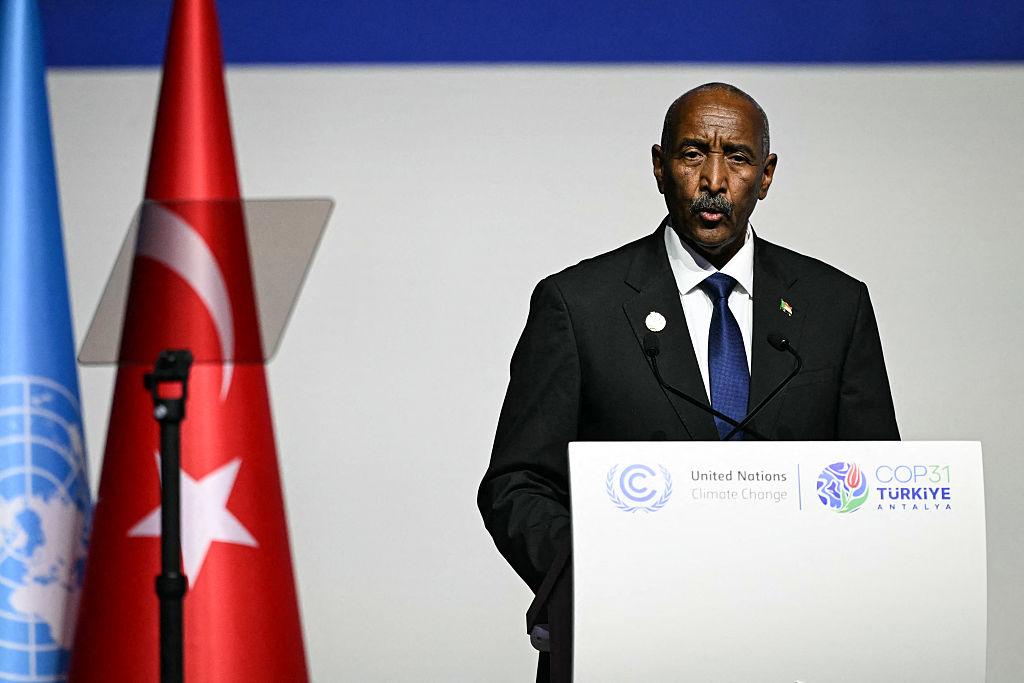
The allegations, reported by Erem News on Friday, provide further insight into the divisions between senior Islamist figures and army chief Abdel Fattah al-Burhan, as competition intensifies over control of funding, armed formations and political influence within the camp supporting Sudan’s SAF government.
The Sudan Times previously reported that Burhan had sought Abdullah’s removal over concerns that he was building an independent power base linked to Islamist commander Al-Misbah Abu Zaid Talha.
The latest accounts suggest that the confrontation extends beyond organisational appointments, exposing a deeper struggle involving financial resources, longstanding political networks and competing military loyalties.
Financial empire at centre of dispute
A political source quoted by Erem News said Abdullah had maintained considerable influence over financial and strategic affairs dating back to the rule of former President Omar al-Bashir.
The source described Abdullah as a formerly favoured figure within the Islamist establishment who exercised control over sensitive financial files, including loans associated with the Merowe Dam project and several strategic institutions.
According to the source, Abdullah also maintained extensive connections with senior Islamist officials and foreign governments, including Iran.
He was identified as part of an influential network that included former intelligence chief Salah Gosh and senior Islamist figure Ali Karti.
The alleged financial influence, combined with Abdullah’s relationships with military officers and battlefield commanders, has raised concerns among senior members of the movement that he could establish an independent centre of power.
Sources said these concerns prompted demands to strip Abdullah of his financial and organisational responsibilities.
Al-Misbah’s role fuels tensions
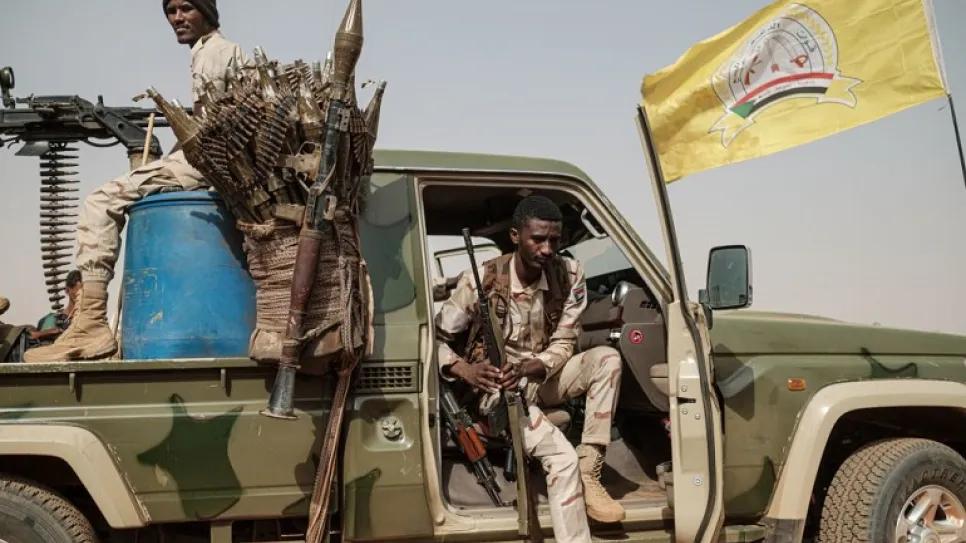
The latest report also provides additional details about the reported involvement of Al-Misbah Abu Zaid Talha, a prominent figure associated with the Al-Baraa bin Malik Brigade, which has fought alongside the Sudanese Armed Forces.
Sources claimed that Abdullah intended to appoint Al-Misbah as leader of his emerging faction, capitalising on the commander’s battlefield reputation and public profile.
Although relatively young and lacking the organisational experience of senior Islamist figures, Al-Misbah has established a substantial following through his military activities and media presence.
The sources suggested that moves to sideline him were intended to weaken Abdullah’s growing network and prevent armed formations from operating beyond the control of the movement’s central leadership.
Burhan’s authority questioned
A political source cited by Erem News described Burhan as increasingly vulnerable within the Islamist power structure, arguing that influential figures such as Abdullah possess financial and organisational resources beyond the army chief’s direct control.
Political analyst Ehab Madbou said the emerging divisions reflect a broader confrontation over who controls money, weapons and decision-making inside the SAF-aligned camp.
He warned that rival financial and military networks could undermine central authority and reshape political and military alliances.
Madbou also linked the reported dispute to wider tensions involving former ruling party figure Ahmed Haroun, arguing that successive disagreements have exposed structural weaknesses within the Islamist movement.
According to the analyst, the growing competition over military formations and financial resources could further weaken cohesion among groups supporting the SAF government.
The latest allegations have not been independently verified, and Erem News did not report responses from Abdullah, Al-Misbah or the SAF government.
The developments nevertheless point to intensifying rivalries within Sudan’s Islamist establishment, as competing factions struggle to preserve their political influence and control over armed groups amid the continuing war.