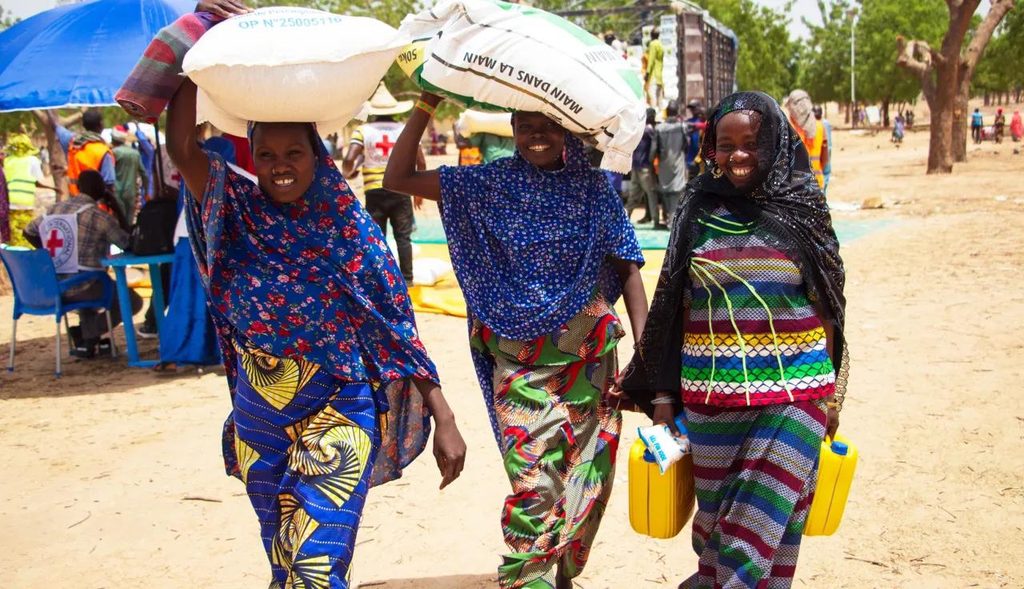
Boko Haram militants are increasingly targeting women in kidnappings for ransom in Cameroon’s Far North region, as armed groups seek additional sources of financing and violence forces thousands of civilians from their homes.
According to the United Nations refugee agency (UNHCR), 269 kidnappings were recorded between January and July 2026, surpassing the 249 reported throughout 2025.
Women have become increasingly vulnerable to abduction in communities surrounding Lake Chad, where armed groups exploit families’ willingness to pay ransoms to secure the release of relatives.
The escalating violence has driven thousands of residents from their villages, particularly around Hilé-Alifa and other communities near Cameroon’s borders with Nigeria and Chad.
The region is already experiencing a prolonged humanitarian emergency, with hundreds of thousands of internally displaced people dependent on assistance.
Kidnappings become a source of revenue
Security researchers say kidnapping for ransom has become an important financing mechanism for Boko Haram factions operating across the Lake Chad Basin.
While militants have historically abducted civilians for forced recruitment and other purposes, the growing emphasis on ransom payments reflects the financial incentives driving attacks against vulnerable communities.
Women are particularly exposed because of their central role in family and community life. Militants calculate that relatives will make substantial efforts to raise money for their release.
Families frequently negotiate directly or through community intermediaries, collecting contributions from relatives and neighbours to meet ransom demands.
Research by the Institute for Security Studies indicates that kidnapping and extortion have become significant sources of revenue for armed factions, although their tactics and financing structures differ.
Survivors face trauma and social stigma
Women who escape or are released from captivity often struggle with severe psychological distress, social isolation and discrimination.
The International Rescue Committee (IRC) has established support programmes in northern Cameroon to help survivors recover and rebuild their lives.
Leslie Maryse Ngo Touné, an IRC psychologist working in Hilé-Alifa and Blangoua, described how some survivors withdraw from social life, experience sleeping difficulties and lose their appetites following captivity.
Many also face stigma within their communities, where victims are sometimes unfairly blamed for the violence they experienced.
The organisation provides psychological support, hygiene supplies and financial assistance, alongside designated safe spaces where women can participate in practical activities and develop support networks.
Programmes including henna decoration, handicrafts and textile-making help survivors reconnect with their communities and recover from traumatic experiences.
Cameroon strengthens military response
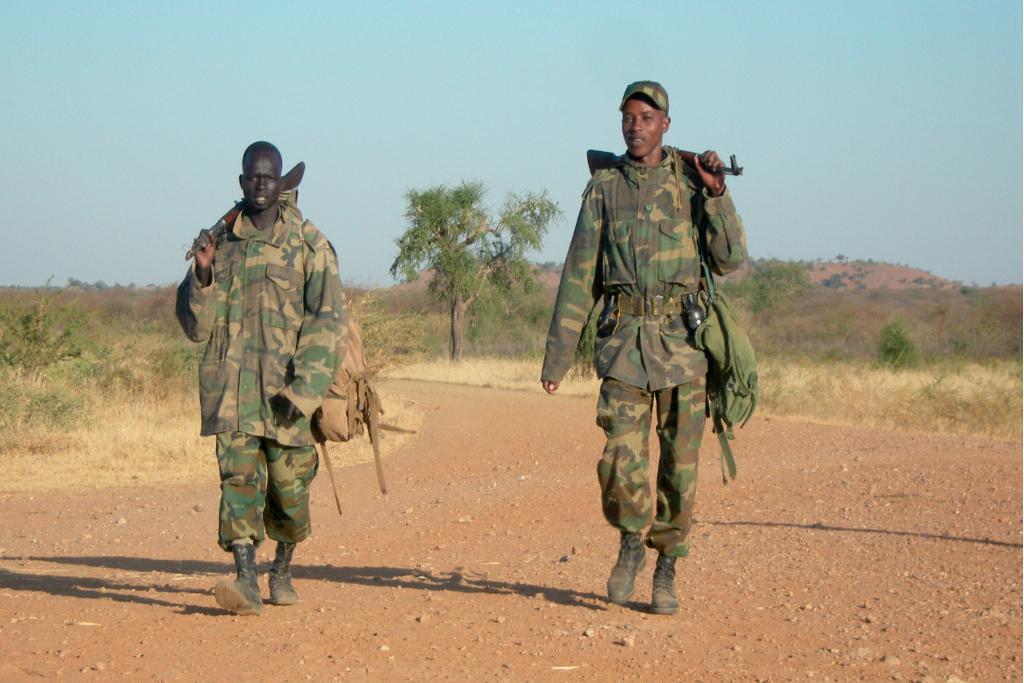
The kidnapping campaign comes amid growing security threats from Boko Haram factions and Islamic State West Africa Province (ISWAP), which continue operating across the Lake Chad Basin.
Research by the Institute for Security Studies has warned that ISWAP uses intimidation, violence and economic pressure to undermine state control in remote border communities, including Darak.
In response, Cameroon has reinforced its military presence in the Far North and established a dedicated Rapid Intervention Battalion for the Lake Chad region.
The force is intended to bring soldiers closer to vulnerable communities, improve response times and disrupt militant operations along the country’s borders.
However, security analysts caution that additional troops alone will not guarantee lasting security.
They argue that effective protection will depend on reliable intelligence, mobility, sustained logistical support and stronger coordination between Cameroon, Nigeria and Chad.
With armed groups continuing to exploit isolated settlements and weak border security, humanitarian organisations warn that civilians, particularly women and children, remain exposed to further violence and displacement.