Sudan’s Communist Party called on Wednesday for a formal declaration of famine, an immediate end to the war and the opening of safe humanitarian corridors, warning that worsening food shortages and agricultural failures threaten millions of lives.
In a statement issued by its political bureau, the party urged the SAF government in Port Sudan and the administration in Nyala to acknowledge the severity of the humanitarian crisis and facilitate the delivery of emergency assistance across the country.
The party called for an end to the denial of widespread hunger and water shortages, urging immediate measures to prevent further deterioration.
It outlined several emergency priorities, including protecting agricultural production and livestock, rehabilitating irrigated farming projects, providing fuel and improved seeds, and facilitating access to financing for farmers.
The party also urged communities to prevent potential conflicts between farmers and herders amid dwindling grazing resources and water supplies.
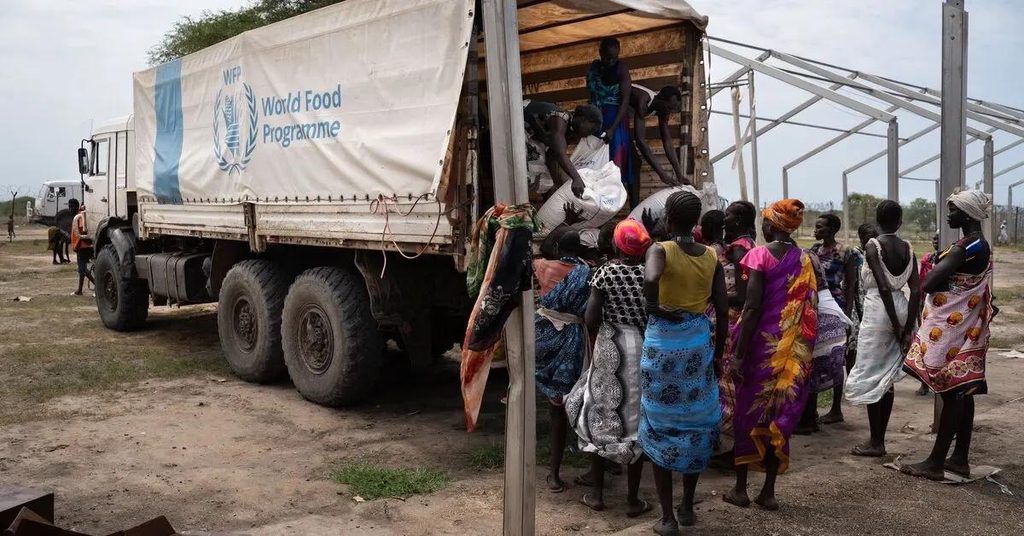
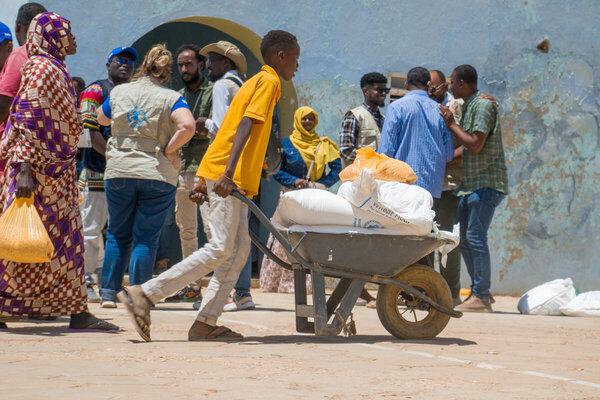
It appealed to United Nations agencies and humanitarian organisations to provide food, medicine and clothing to civilians inside Sudan and those living in displacement and refugee camps.
The statement attributed the failure of the summer agricultural season to below-average rainfall, declining Nile water levels, prolonged electricity outages and the destruction of infrastructure during the war.
Drone attacks on electricity facilities have severely disrupted irrigation projects, particularly in Northern and River Nile states, it said.
In Northern State, severe water shortages have devastated fruit orchards and damaged date palms, a major source of income for local farmers.
The party said neglected irrigation infrastructure, rising production costs and inadequate financing had also discouraged many farmers from cultivating land in the Gezira and Managil agricultural schemes.
In Blue Nile State, available agricultural financing covered only 45% of requirements, according to the statement.
Meanwhile, fighting and insufficient rainfall in Darfur and Kordofan have triggered widespread crop failures, water shortages and population displacement towards major urban centres, including Nyala.
The party compared conditions in the two regions to the famine crisis of 1983, citing declining livestock prices and severe shortages of fodder, grazing land and water.
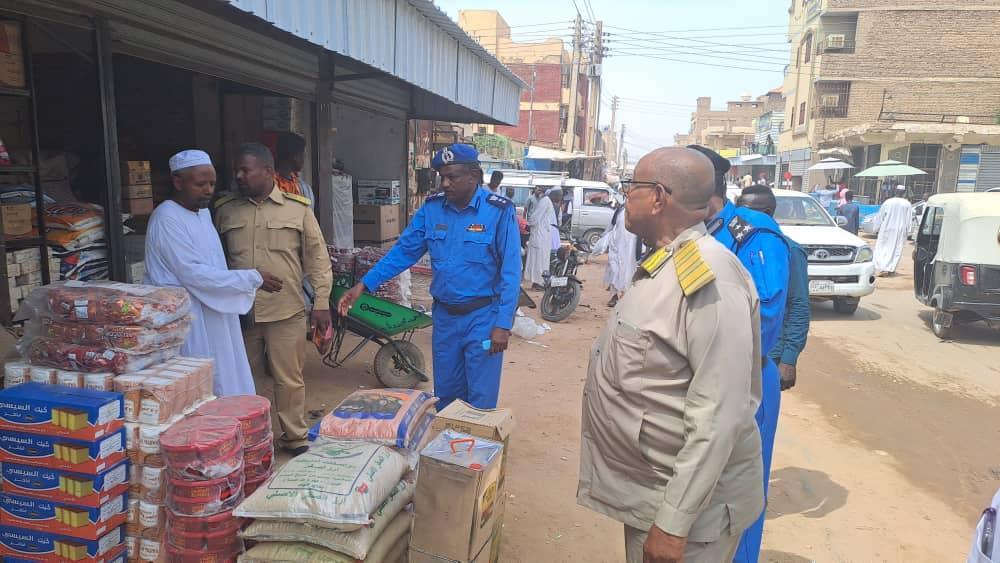
It said attacks on markets, water facilities, power stations and fuel infrastructure had compounded the crisis, while the collapse of the Sudanese pound and declining household incomes had pushed essential commodities beyond the reach of many families.
A sack of sorghum in Gedaref has surpassed one million Sudanese pounds, the party said, as bread, flour, cooking oil and fuel prices continue to rise.
The Communist Party warned that the current winter agricultural season could also fail unless urgent measures were taken.
It stressed that ending the war remained central to addressing the humanitarian catastrophe, alongside unrestricted aid deliveries and the rehabilitation of essential infrastructure.