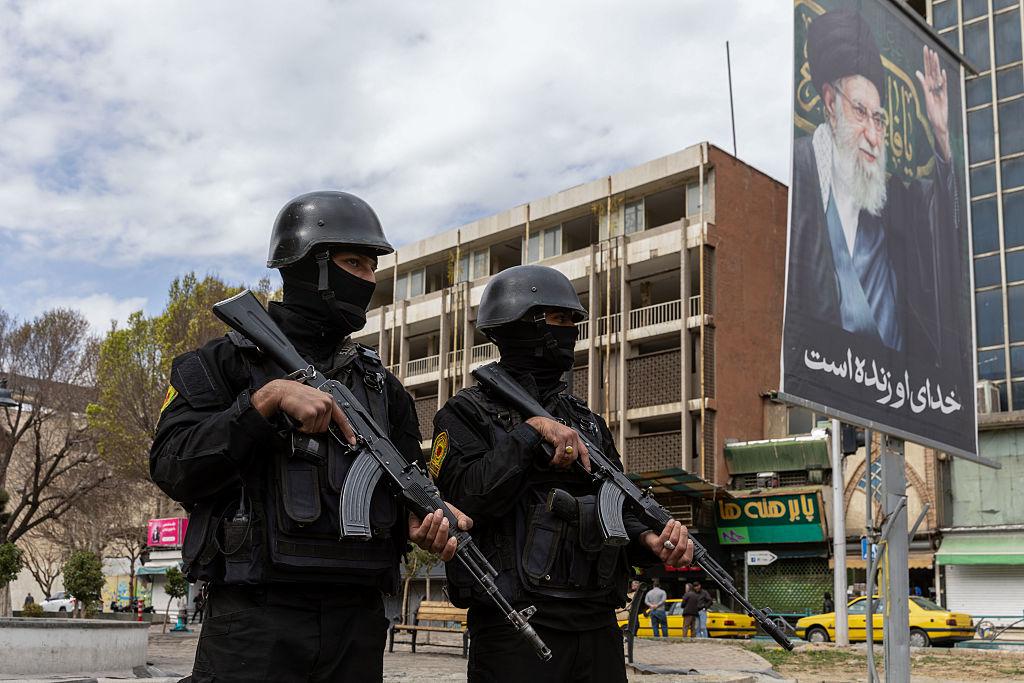
Israel is preparing for a potential third round of military confrontation with Iran, with this weekend emerging as a possible window for US-led military action, Israeli newspaper Maariv reported on Thursday.
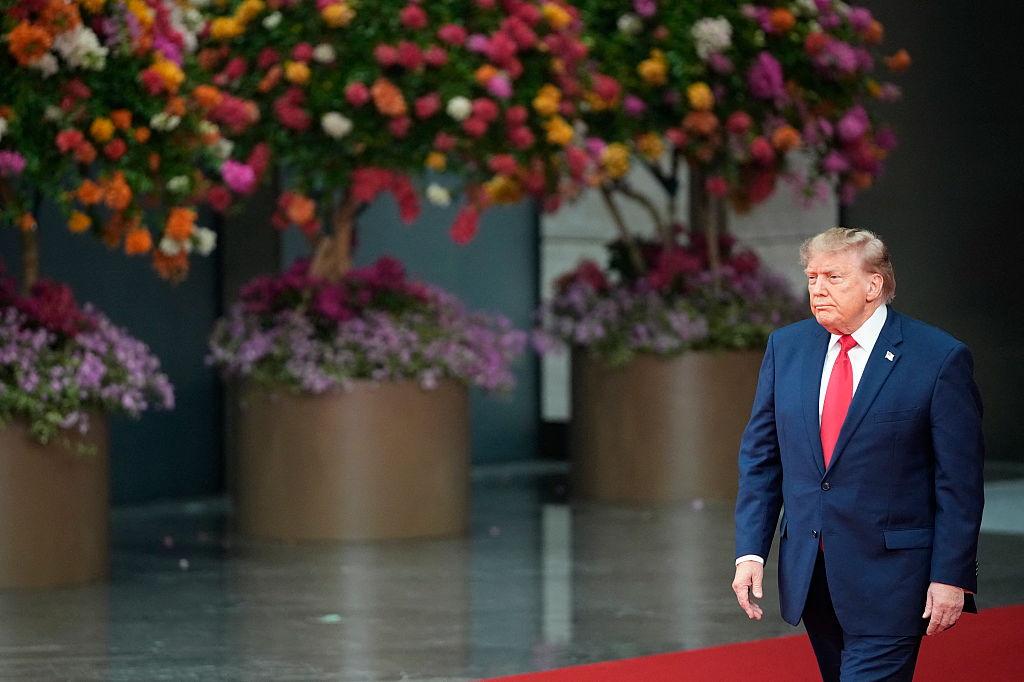
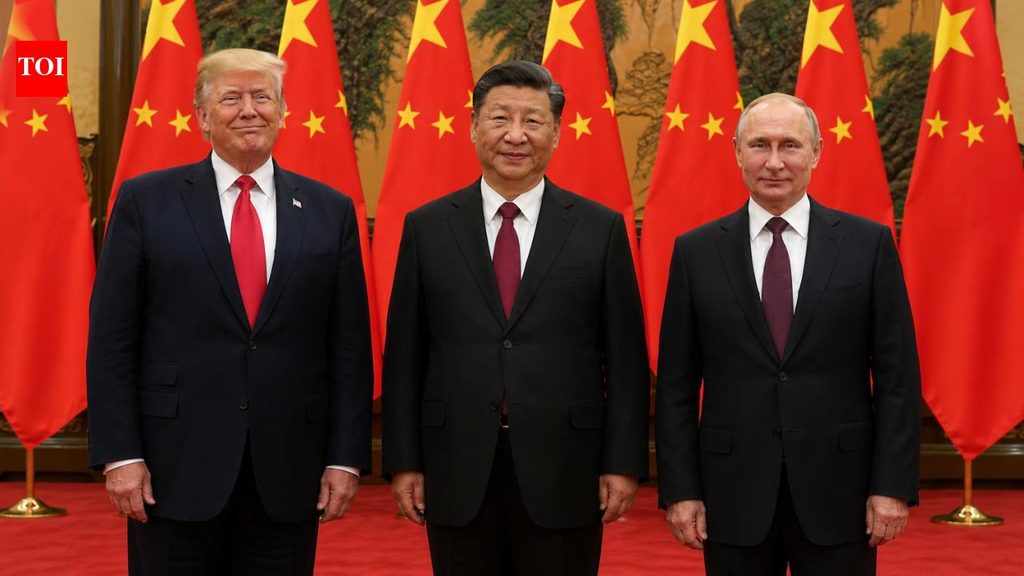
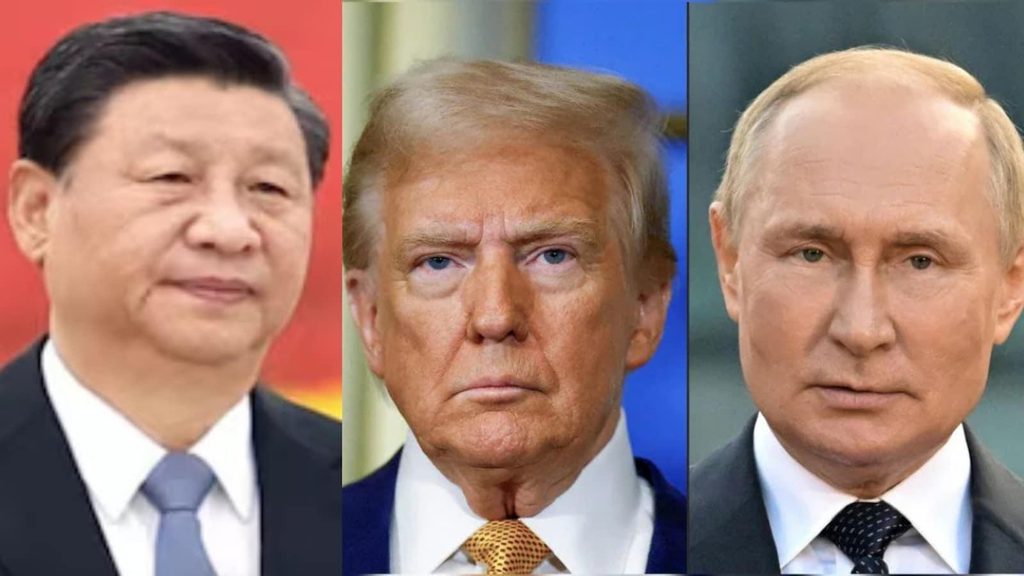
The report suggested that military operations could begin following the conclusion of a trilateral summit between US President Donald Trump, Russian President Vladimir Putin and Chinese President Xi Jinping.
However, Israel faces mounting shortages of personnel and military equipment after more than three years of sustained operations across multiple fronts.
US Central Command (CENTCOM) chief Admiral Brad Cooper visited Israel on Wednesday, holding talks with Israeli military chief Eyal Zamir and other senior officers.
The visit was part of a series of coordination meetings between the US and Israeli militaries amid growing speculation over renewed strikes against Iran.
Maariv suggested Trump could have a roughly one-month window to launch and conclude a military campaign against Tehran following the summit.
However, no official decision to launch another military operation has been announced.
Limits of military action
The newspaper argued that Iran emerged as the principal beneficiary of the previous two confrontations, questioning whether further airstrikes could overthrow the Iranian government or permanently dismantle its nuclear programme.
Many Iranian nuclear facilities are located deep underground, complicating efforts to destroy them through aerial bombardment.
Military operations could delay Tehran’s nuclear activities but would not necessarily eliminate its capabilities, the report said.
Iran, meanwhile, could exploit the economic consequences of renewed hostilities through disruption of shipping in the Strait of Hormuz, rising energy prices and political divisions within the United States.
Israel’s military under strain
Israel maintains approximately three military divisions along its northern front, alongside five brigades operating inside southern Lebanon and another five deployed in Gaza, according to Maariv.
Expanding Israeli settlements and outposts in the occupied West Bank have further increased demand for military personnel.
A recent assessment by Israel’s General Staff reportedly identified manpower shortages that could persist through 2028 and 2030, raising concerns over the military’s ability to meet its security commitments.
Reservist turnout has also reportedly fallen below official figures, forcing some units to undertake longer deployments with insufficient recovery periods.
Repeated reserve call-ups are increasingly disrupting universities, businesses and the wider Israeli economy, raising concerns about future shortages of medical and technology professionals.
Regular troops are also experiencing declining training standards and mounting fatigue, while growing numbers of soldiers reportedly intend to leave the country temporarily following their discharge.
The report underscores the widening gap between Israel’s military ambitions and its capacity to sustain another prolonged regional conflict.