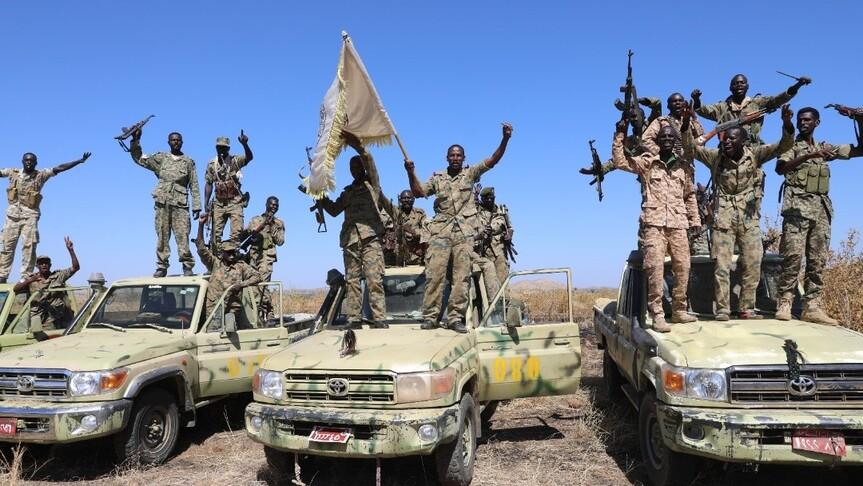
The Sudan Founding Alliance (TASIS) says its forces operating across Sudan’s Blue Nile region have linked up along the eastern and western fronts, marking what the alliance describes as a decisive step towards consolidating control of the strategically important southeastern region.
Lieutenant Colonel Al-Tayeb Khalil Al-Tayeb, head of the Rapid Support Forces’ media department, said the convergence demonstrated growing coordination between military formations operating across several fronts.
In remarks reported on November 20, Khalil described the development as a major battlefield breakthrough that could accelerate the collapse of remaining SAF government military positions in Blue Nile.
The claim comes amid an expanding offensive by TASIS forces, comprising the Rapid Support Forces (RSF) and the Sudan People’s Liberation Movement-North (SPLM-N) led by Abdel Aziz al-Hilu.
The alliance has announced successive advances across Bau, Geissan and Kurmuk, bringing its operations closer to Ed Damazin, the regional capital and one of the SAF government’s most important remaining strongholds in southeastern Sudan.
A changing military balance
According to Khalil, the convergence of forces operating along the eastern and western axes reflects an improvement in battlefield coordination and combat readiness.
He said military operations were proceeding according to plans, with the alliance seeking to secure strategically important areas and eliminate opposing military positions.
The reported link-up could allow TASIS forces to coordinate movements across previously separate operational fronts, potentially complicating the SAF government’s efforts to reinforce or defend contested positions.
However, Khalil did not identify the precise location where the two fronts connected, and the extent of territorial control resulting from the reported development could not be independently verified.
The military announcement follows several days of territorial claims by TASIS.
On November 19, the alliance announced that its fighters had entered Bau, a strategically important locality southwest of Ed Damazin.
A day later, TASIS reported capturing five additional areas in Geissan locality, including Khor Mak, Al-Madina 10, Al-Madina 11, Singa Nabag and Al-Taqa village.
Those advances have increased pressure on SAF government forces defending the approaches to Ed Damazin.
Pressure mounts on SAF positions
The expansion of TASIS operations in Blue Nile has challenged repeated assertions by SAF-aligned officials and media outlets that the RSF and its allies were losing their ability to conduct major offensives.
Rather than withdrawing from the battlefield, the alliance has announced simultaneous operations across multiple parts of southeastern Sudan, forcing SAF commanders to respond to threats beyond their previously established defensive positions.
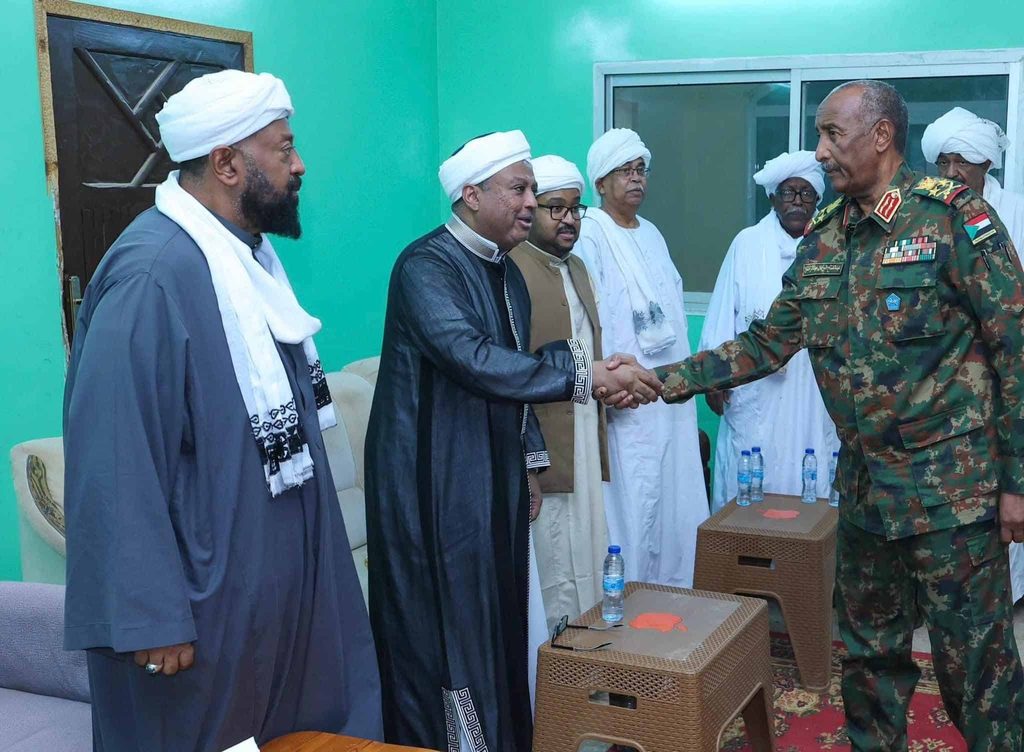
The SAF government has dispatched reinforcements to Blue Nile and reorganised regional military leadership as fighting approaches strategically important population centres.
Regional officials have nevertheless maintained that the army retains the military initiative and disputed reports suggesting TASIS forces are close to taking Ed Damazin.
The competing claims highlight the difficulty of establishing the precise balance of territorial control amid rapidly changing front lines.
Civilian protection and humanitarian access
Khalil said TASIS remained committed to protecting civilians, securing essential facilities and opening humanitarian corridors in areas affected by the fighting.
He argued that the alliance’s military operations were intended to create conditions for restoring security and stability.
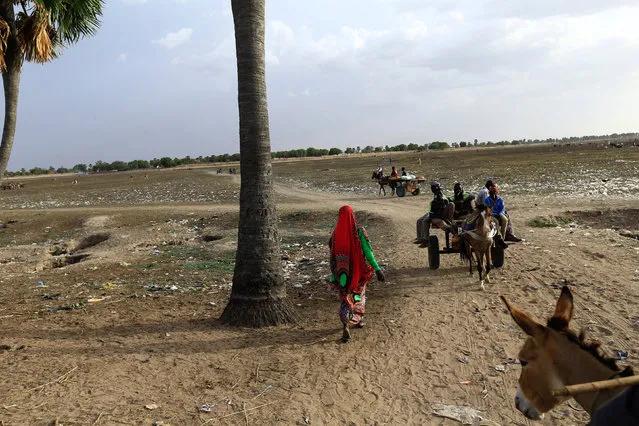
Those assurances have not been independently assessed, and continuing hostilities have already displaced families from communities across Blue Nile.
The reported convergence of the eastern and western fronts represents an important statement of TASIS’s military ambitions, although the alliance has not demonstrated that it controls the entire region.
Ed Damazin and neighbouring Roseires remain particularly significant because of their administrative, military and infrastructure roles.
Whether the latest advance leads to further territorial changes will depend on developments around those remaining SAF-held positions.