Sudanese army chief Abdel Fattah al-Burhan dismissed reports of famine as a “rumour” and urged Sudanese media to challenge them. He spoke in Khartoum North on Friday, the same day the UN World Food Programme reported that 19.5 million people across Sudan faced acute hunger and that funding cuts had forced it to drop nearly a million people from its food and nutrition programmes.
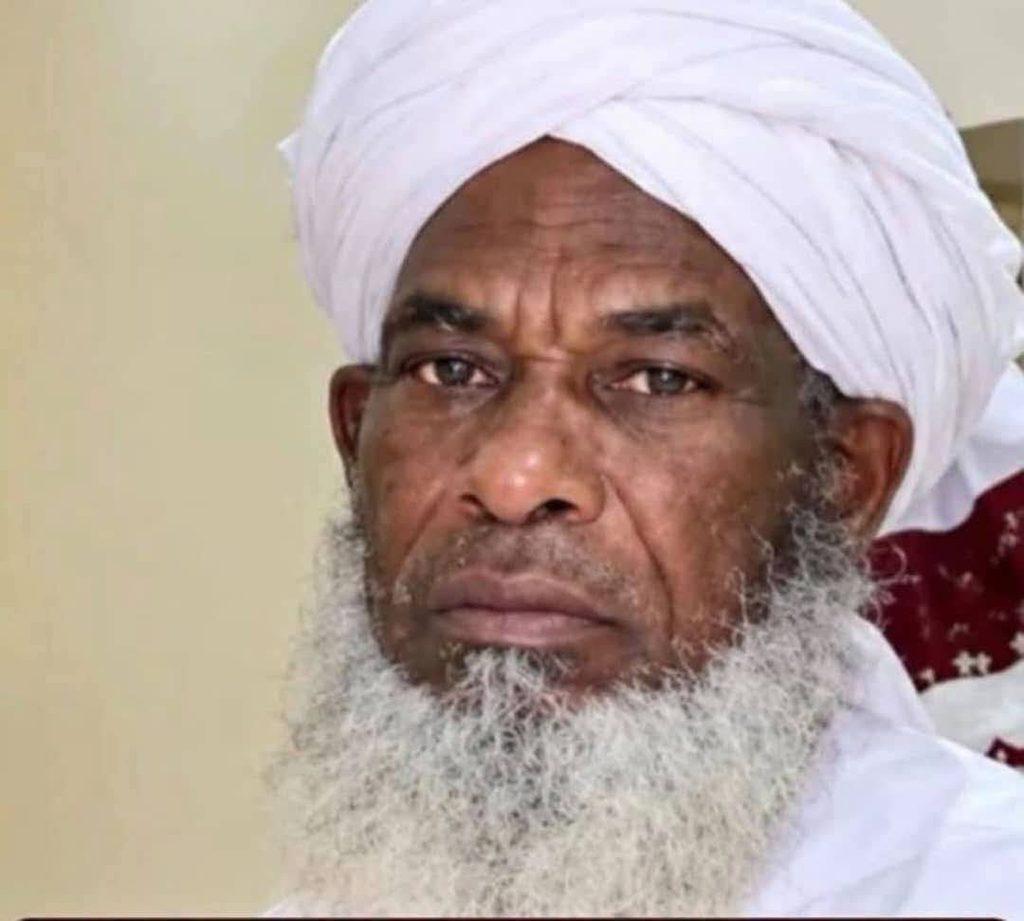
Speaking at a condolence gathering for Sudanese religious leader Mohamed Osman al-Mirghani, Burhan acknowledged that people were struggling to make ends meet. But he characterised coverage of famine as part of the war and said it was being used to undermine civilian morale. His remarks echoed a November 6 statement in which the SAF government said Sudan’s grain reserves and crops in production would cover the country’s food needs.
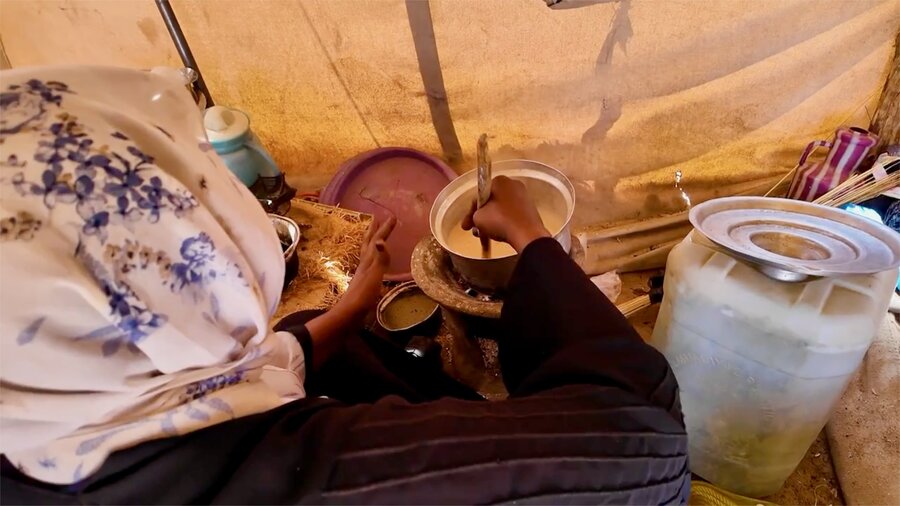
For families who depend on Khartoum’s community kitchens, the immediate question is whether there will be food when they reach the front of the queue. Hiyam Mohamed Fadl, a humanitarian activist in southern Khartoum, told Sudan Tribune that many kitchens, known locally as takaya, had closed or run out of food. Most residents who relied on them were going home empty-handed, she said.
In Omdurman’s Al-Salha neighbourhood, a mother told the outlet that food at the kitchens often ran out before most people arrived. Buying bread had also slipped beyond her family’s means. Some households in the neighbourhood, she said, were eating one meal every two or three days.
Sudanese columnist Murtada al-Ghali challenged Burhan’s account in Al-Rakoba on Monday. He cited teachers who said pupils arrived hungry after missing breakfast at home and had nothing to eat at school. He also asked whether Prime Minister Kamil Idris and his advisers shared the army chief’s assessment.
Famine has already been documented during Sudan’s war. In November 2025, the Famine Review Committee of the Integrated Food Security Phase Classification confirmed that El Fasher in North Darfur and Kadugli in South Kordofan had experienced famine conditions as of that September. In 2026, gaps in the data prevented analysts from producing a nationwide assessment for the June-to-September lean season. They identified 14 areas in North Darfur, South Darfur and South Kordofan where intensified fighting and displacement could bring famine.
At Goz El Salam displacement camp in Kosti, Noor, a mother of five who fled Kordofan, told the World Food Programme what the shortages meant for her three youngest children. On mornings when she could, she gave them tea with milk before their lessons. “Otherwise, they go to school two or three times a week with nothing in their stomachs.”