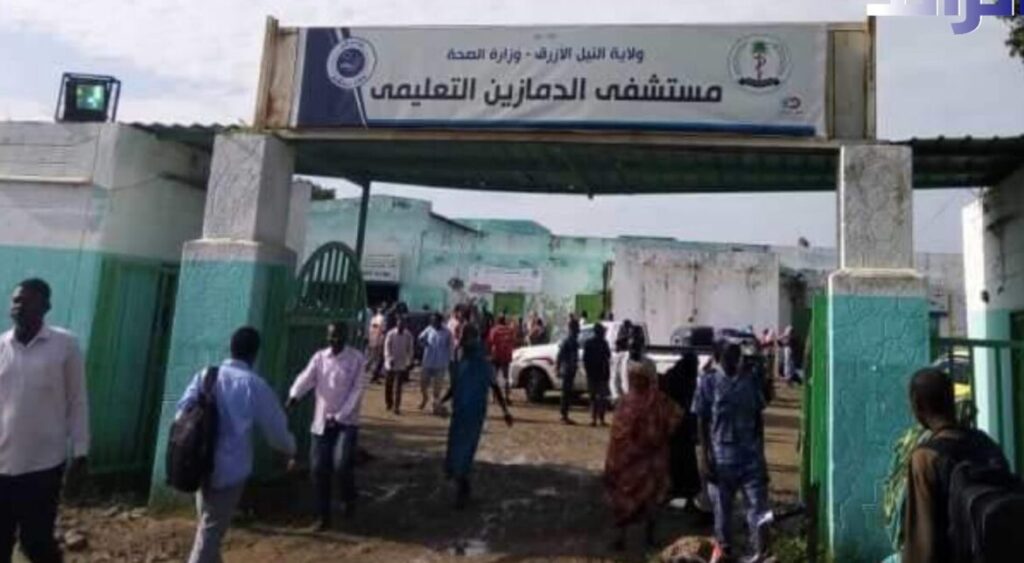
The Sudan Founding Alliance (TASIS) told residents of Ed Damazin on Monday that their homes, schools and markets must be kept out of the fighting in Sudan’s Blue Nile region. At the city’s main bus terminal, residents trying to leave said they could no longer count on finding a seat to Khartoum, even if they could afford the fare.
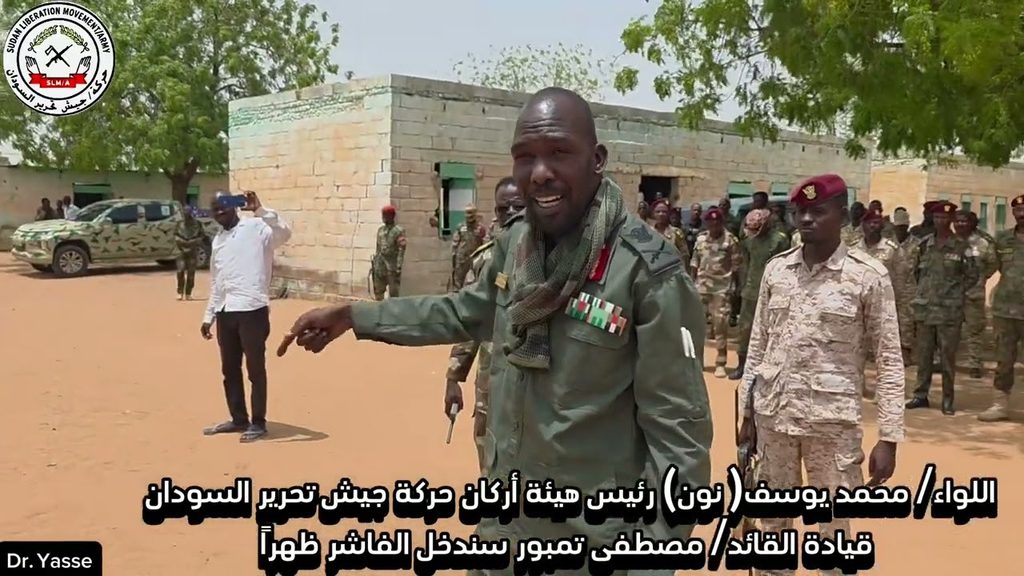
In a statement carried by the Sudanese newspaper Assayha, the alliance said its fighters had a responsibility to protect children and civilian facilities. The message followed a Friday appeal urging residents to keep away from military installations. TASIS, which includes the Rapid Support Forces (RSF) and Abdel Aziz al-Hilu’s Sudan People’s Liberation Movement-North, said its forces were approaching Ed Damazin, the regional capital.
At Ed Damazin’s Al-Shaabi market, Radio Tamazuj found that a bus ticket to Khartoum cost between 180,000 and 220,000 Sudanese pounds. A seat in a shared intercity taxi cost around 400,000 pounds. Rami Kamal, a city resident, told the broadcaster he had tried to buy a ticket and still had no way out. Another resident, Tariq al-Tayyib, said some families had stayed because they could not raise the fare.
The SAF government’s regional spokesman, Saif al-Nasr Minallah, urged residents to keep sending their children to school and to visit shops and markets as usual. He said the army and allied forces were gaining ground. Army chief Abdel Fattah al-Burhan had also sought to reassure residents on Saturday.
Markets are among the places where researchers have already documented damage. Yale University’s Humanitarian Research Lab identified damage near Sabeen market and another market in the Al-Zuhur neighbourhood in satellite imagery from late October and early November. The researchers assessed the damage as consistent with RSF drone strikes.
Ed Damazin has also served as a refuge for families displaced by fighting elsewhere in Blue Nile. Emergency Lawyers, a Sudanese monitoring group, estimated that the city had received more than 45,000 displaced people since the start of the year. With vehicles now scarce, residents told Radio Tamazuj that families considering another journey faced two questions the public assurances had yet to settle for them: whether they could get a ride and whether the road would be safe.