An investigation into a suspected cult leader, charged with inciting a minimum of 428 of his followers to commit self-starvation, has revealed “failures” in Kenya’s security and criminal justice systems, as stated in a report obtained by media on Saturday.
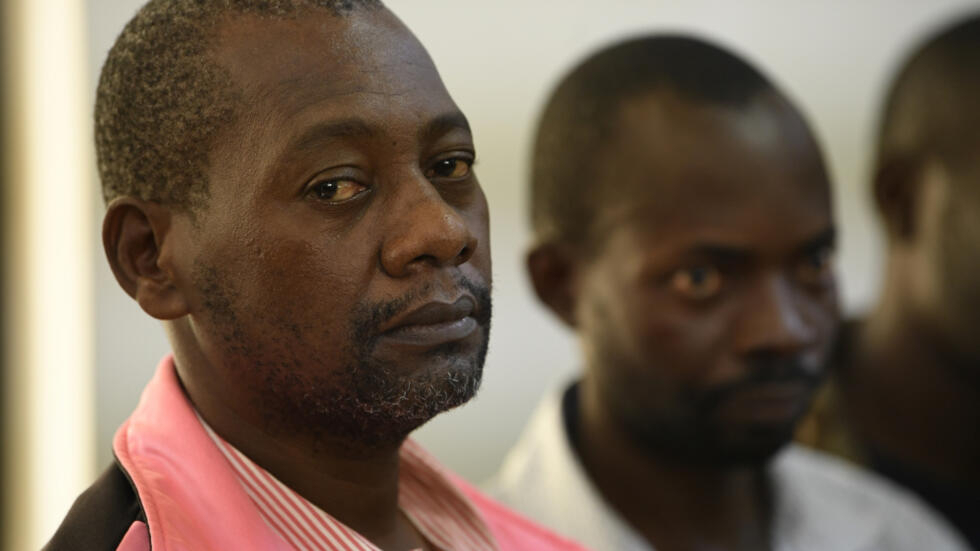
Self-proclaimed pastor Paul Nthenge Mackenzie has been in police custody since mid-April, following the discovery of human remains in the Shakahola forest along the Indian Ocean coast.
The ex-taxi driver and founder of the Good News International Church stands accused of preaching to his followers, urging them to starve themselves to death with the belief that it would lead them to “meet Jesus.”
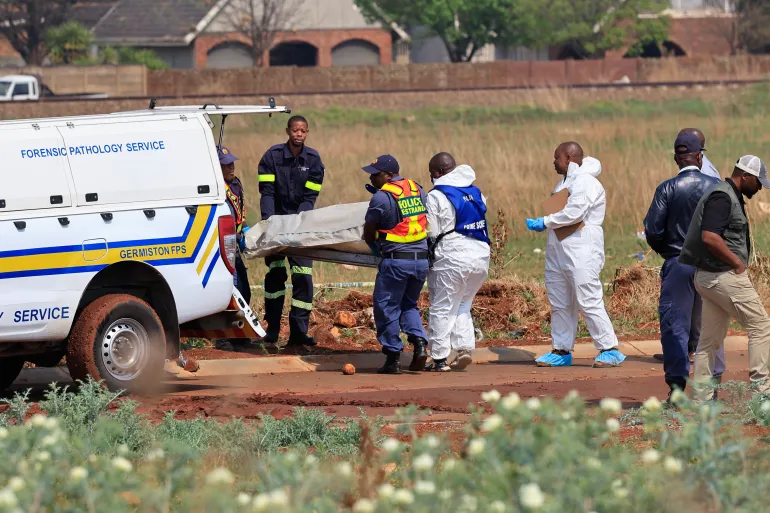
Although starvation seems to be the primary cause of death, government-conducted autopsies have revealed that some victims, including children, were strangled, beaten, or suffocated.
“Kenya has experienced deaths linked to religious extremism in the past, however, the Shakahola tragedy has registered the highest number of fatalities in Kenya’s recorded history,” the Senate commission of inquiry said in its report.
It further stated that the self-proclaimed pastor had previously been charged in 2017 for his radical preaching, yet “the criminal justice system proved ineffective in preventing the sinister actions of Paul Mackenzie in Shakahola.”
Mackenzie was acquitted of radicalization charges in 2017 related to his unorthodox provision of schooling. He had rejected the conventional educational system, contending that it did not align with the principles of the Bible.
In 2019, he faced allegations of connections to the demise of two children who had tragically succumbed to starvation and suffocation, subsequently being buried in a shallow grave within Shakahola Forest.
He had been released on bail, pending trial.
Repeated complaints, warnings
The commission of inquiry also highlighted deficiencies in the local police force, which had received “recurring complaints by religious leaders and the local community against his activities from as early as 2017”.
These complaints pertained to Mackenzie’s resistance to formal education and medical care, in addition to allegations of “radicalising adults to resign from their jobs and join the church” and “holding people hostage”.
The report also censured the “inaction” by the local county’s security committee, which had previously “summoned Paul Mackenzie and warned him against his radical teachings and subjecting followers to inhumane conditions”.
Kenya, predominantly a Christian nation, has grappled with the challenge of regulating unscrupulous religious organizations and cults engaged in criminal activities.
According to government data, the East African nation, with a population of 53 million people, boasts a registry of over 4,000 registered churches.
The commission expressed dissatisfaction with existing legislation, deeming it “inadequate” and urged the country’s parliament to enact a “Religious Organizations Bill” that would establish a legal framework for the oversight of religious entities.
The investigation and the search for remains within the Shakahola forest are still in progress.
Upon conclusion of the investigation, Mackenzie and his 29 co-defendants will undergo formal charges. Prosecutors had previously revealed in May that the self-proclaimed pastor would be confronted with terrorism-related charges.