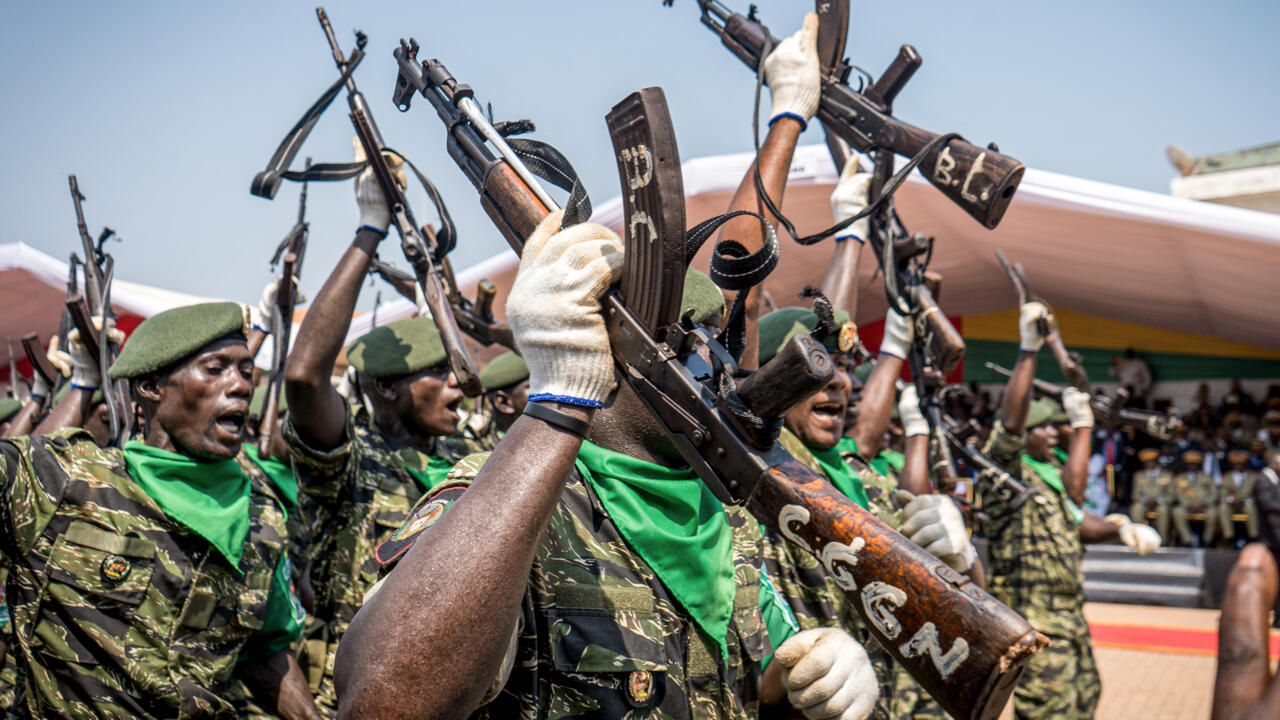
Conflict erupted overnight between two factions of Guinea-Bissau’s army in the capital city and continued into the early hours of Friday. Armed soldiers from the national guard liberated a minister who had been detained on suspicions of misusing public funds, sparking the unrest.
Following the minister’s release, the head of the national guard was reportedly arrested, as confirmed by a military source. By late morning, the city center seemed to resume its regular activities despite the earlier disturbances.
The clash began around 11:00 PM GMT on Thursday, approximately two kilometers away from the presidential palace in Bissau. Subsequent exchanges of gunfire were heard after midnight in Antula, a neighborhood on the outskirts where the military leader resides.
Throughout Friday morning, the sound of gunshots persisted as military vehicles patrolled the streets. However, as the day progressed, the gunfire ceased, and military roadblocks were dismantled. Access to the surroundings of the presidential palace, previously restricted by soldiers, was restored.
President Umaro Sissoco Embalo was absent during the turmoil, attending the United Nations Climate Change Conference in Dubai. A representative from the presidency affirmed that they were not involved in the conflict and provided no further comment.
Guinea Bissau, a West African nation with around 2 million inhabitants, has a history of recurrent unrest since gaining independence from Portugal in 1974. The country has experienced numerous coups, with rare instances of a democratically elected president completing a full term.
Sources from the police disclosed that the gunfire erupted when heavily armed national guard members stormed a police station to release Finance Minister Suleimane Seidi, who had been arrested earlier on allegations of unauthorized disbursement of over six billion CFA francs ($9.95 million) from public funds. Seidi’s current whereabouts remain unknown.
Additionally, Antonio Monteiro, the secretary of state for the treasury, has been apprehended, as confirmed by police sources.
Seidi, a member of the former ruling PAIGC party, belongs to the coalition that secured a legislative majority in June’s elections, thwarting Embalo’s intentions to alter the constitution and consolidate power by eliminating the semi-presidential system, an initiative opposed by the PAIGC.
The national guard is accountable to parliament, while the military answers to the president in the country’s governance structure.
These developments in Guinea-Bissau come amid a series of coups in a region that had been striving to shed its history of military-led takeovers. Over the past three years, West and Central Africa have witnessed a total of eight coups.
In a separate incident, Sierra Leone’s government thwarted an attempted overthrow over the weekend. Gunmen attacked military barracks, a prison, and other locations in the capital, Freetown, resulting in the deaths of more than 20 individuals and the release of approximately 2,200 inmates.