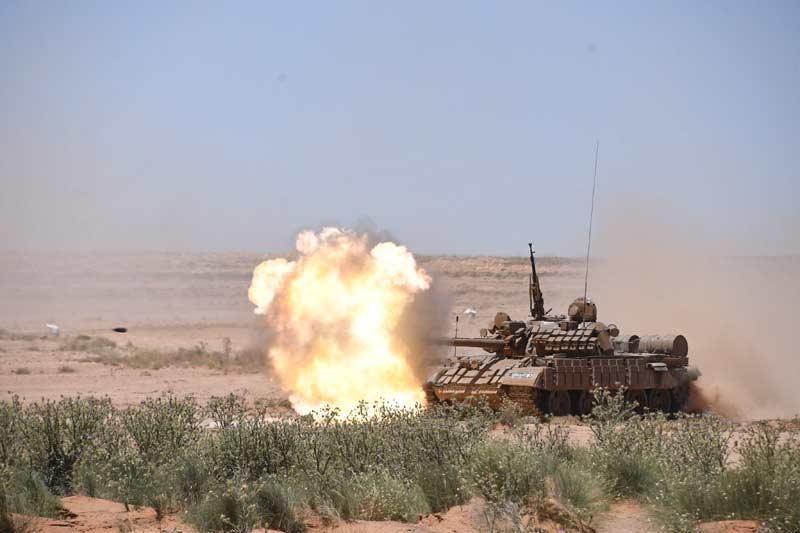
In a major blow to the fight against insurgents in Africa’s Sahel region, the military leaders of Burkina Faso and Niger have announced their withdrawal from the G5 Sahel anti-terror force.
This decision comes as the G5, formed in 2014, has struggled to achieve significant results against the growing threat of terror groups in the region.
The G5 Sahel, which also includes Chad, Mauritania, and Mali, was established to combat the spread of terrorism in the Sahel, a vast and arid region stretching across West Africa. However, the force has been plagued by funding shortages, logistical challenges, and internal divisions, hindering its effectiveness.
In 2022, Mali, one of the founding members of the G5, withdrew from the force following a military coup. The country has been battling a long-running insurgency linked to al-Qaeda and the Daesh group, and the coup further destabilized the region.
Now, Burkina Faso and Niger have followed suit, citing the G5’s failure to achieve its objectives and the interference of foreign powers. In a statement, the two countries expressed frustration with the G5’s “institutional red tape” and accused unnamed foreign powers of treating the Sahel nations as “children” and denying their sovereignty.
The withdrawal of Burkina Faso and Niger is a significant setback for the G5 Sahel and raises concerns about the future of security cooperation in the region. The remaining G5 members, Chad, Mauritania, and Mali, face an even greater challenge in combating terrorist groups without the support of their neighbors.
The international community has expressed concern over the G5’s fragmentation and has called for renewed efforts to strengthen the force. However, the challenges facing the G5 are complex and deep-rooted, and it remains unclear whether the force can be revived as an effective counterterrorism force in the Sahel.
The withdrawal of Burkina Faso and Niger underscores the fragility of security arrangements in the Sahel and the need for more effective and sustainable solutions to address the region’s security challenges.