The World Health Organization (WHO) has expressed concern over the ongoing anthrax outbreak in Zambia, which has now spread to nine out of 10 provinces.
As of November 20, 2023, a total of 684 suspected human cases, including four deaths, have been reported.
Anthrax is a zoonotic disease transmitted from infected animals or their products. Commonly affecting livestock like cows, sheep, and goats, it produces potent toxins responsible for severe symptoms and high fatality rates in certain forms.
This unprecedented outbreak surpasses the previous large-scale incident in 2011, which saw 511 suspected cases.
The WHO deems the risk of further spread within Zambia and neighboring countries like Angola, Botswana, Malawi, and Zimbabwe as high, due to frequent movement of people and animals across borders.
International travelers planning to visit Zambia, especially those intending to visit rural areas, should be aware of the current health risk. In 2021, the country welcomed around 554,000 tourists.
Despite the outbreak, the WHO advises against imposing travel or trade restrictions based on the available information.
People can contract the disease through direct contact with infected animals, carcasses, or contaminated products.
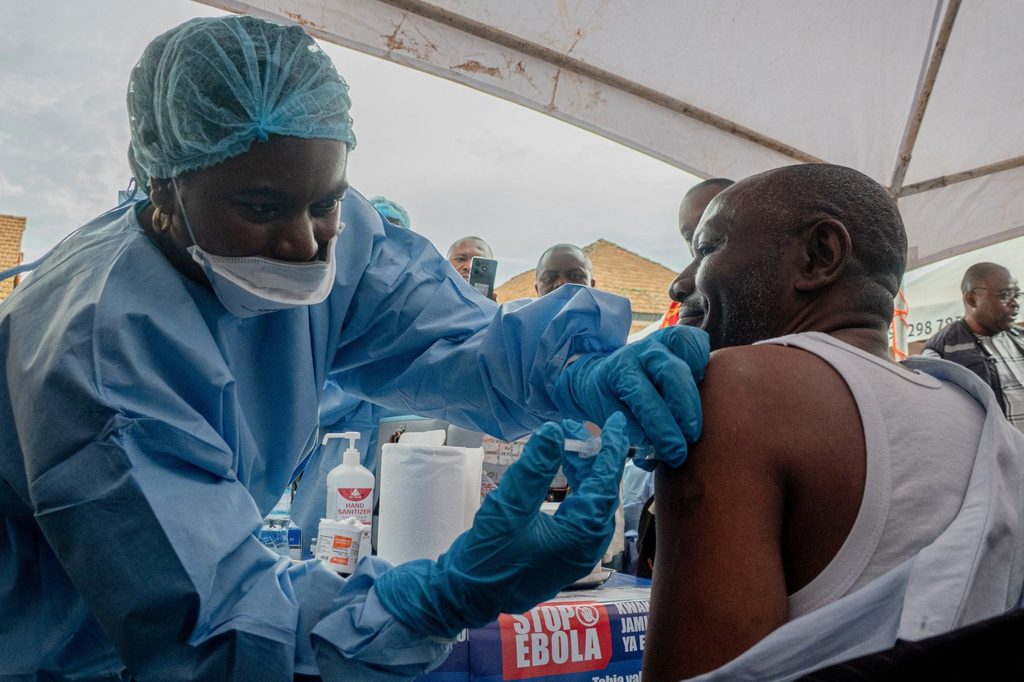
All identified human cases require hospitalization. While vaccines are readily available for animals, access for humans remains limited.
Emergent BioSolutions Inc. recently announced a $75 million contract with the U.S. Biomedical Advanced Research and Development Authority (BARDA) to acquire and distribute the newly licensed anthrax vaccine CYFENDUS.
Deliveries of this two-dose vaccine are expected to begin in the U.S. in late 2023 and be completed by early 2024. However, these vaccines are not available to the general public.
In addition to anthrax, the U.S. Centers for Disease Control and Prevention (CDC) has included Zambia in its 2023 Travel Health Advisories for measles and polio.