Ethiopian Prime Minister Abiy Ahmed has appointed an interim administration to govern the northern Tigray region for six months, with a mandate to restore stability and prepare for elections following renewed fighting between federal forces and the Tigray People’s Liberation Front (TPLF).
The announcement comes after a military offensive launched by the TPLF last month reignited conflict in the region, threatening to unravel a fragile peace following the devastating 2020–2022 war, which killed hundreds of thousands of people.
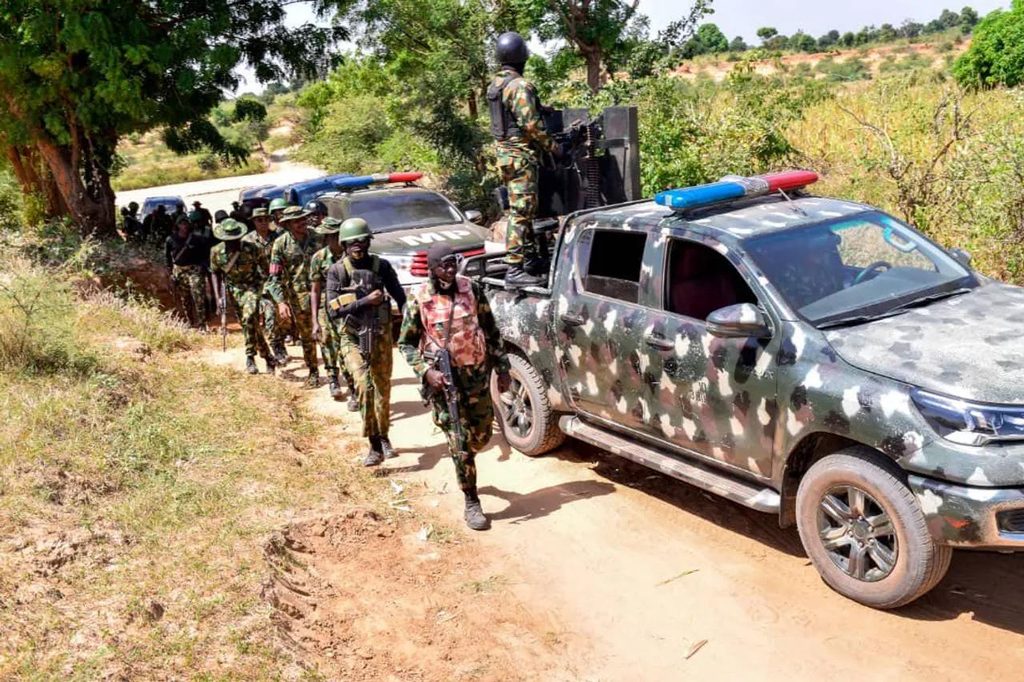
Ethiopian federal troops and allied militias have since made significant territorial gains, capturing large parts of Tigray, including the regional capital, Mekelle.
According to Abiy’s office, the caretaker administration will work to establish conditions for free and transparent elections within six months while overseeing reconstruction efforts and facilitating the return of displaced residents.
In a statement published on X, Abiy urged Tigray’s population to move beyond years of violence and political instability.
“To attain the peace that has long eluded them, to secure their right to self-administration, and to finally enjoy the fruits of development — which have been out of reach for many years — the people of Tigray must break free from this cycle of conflict,” he said.
The TPLF, which dominated Ethiopian politics for decades before Abiy came to power in 2018, has not publicly responded to the appointment.
The renewed conflict has also heightened tensions across the Horn of Africa, contributing to a breakdown in diplomatic relations between Ethiopia and neighbouring Eritrea.
Addis Ababa has accused Eritrea of supporting TPLF forces, an allegation Asmara denies.
Ethiopian authorities have additionally accused Egypt and Sudan of backing the armed alliance opposing federal troops. Both countries have rejected the accusations.
The latest fighting threatens to deepen an already severe humanitarian crisis in Tigray, where communities continue to struggle with the consequences of the previous war.
According to the United Nations refugee agency, approximately 750,000 people remained internally displaced in the region as of February.
Tigray has also experienced worsening food insecurity, damaged infrastructure and drought conditions linked to El Niño, complicating recovery efforts.
The earlier conflict pushed hundreds of thousands of residents into famine conditions and devastated essential services, leaving much of the region heavily dependent on humanitarian assistance.
Regional observers fear that continued hostilities could destabilise neighbouring countries as competing political and military interests intensify across the Horn of Africa.
The success of the newly appointed administration will depend on its ability to restore security, rebuild public institutions and establish credible electoral conditions in a region still deeply divided by years of warfare.