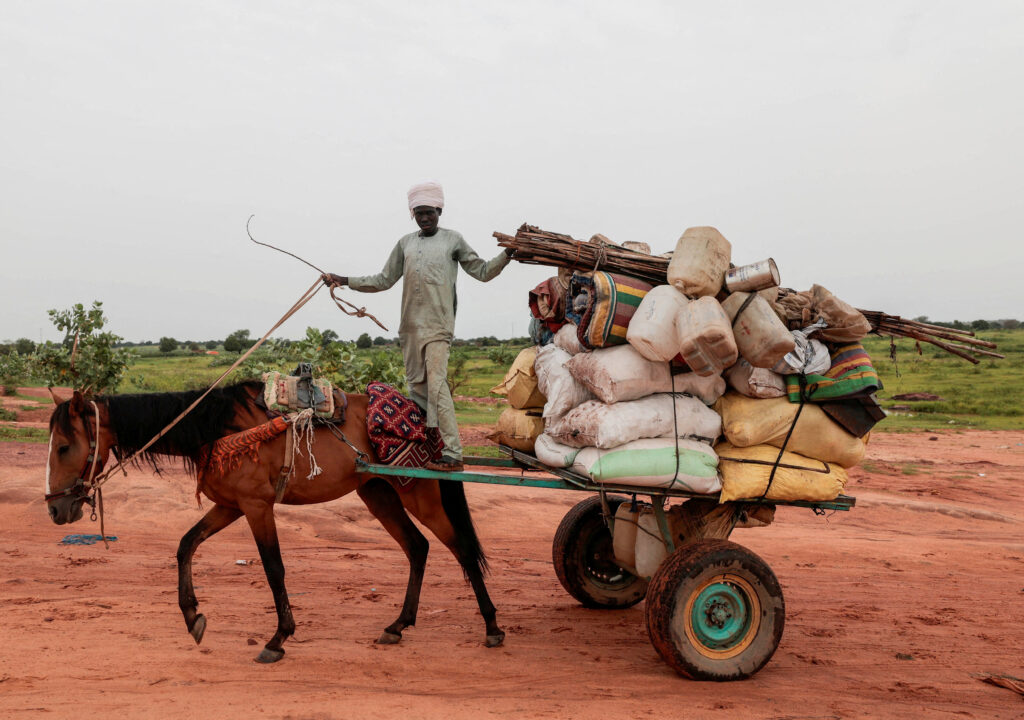
Thousands of tons of aid designated for Gaza were stranded on the Egyptian side of the border on Thursday, following an agreement brokered by US President Joe Biden with Egypt and Israel to facilitate relief deliveries.
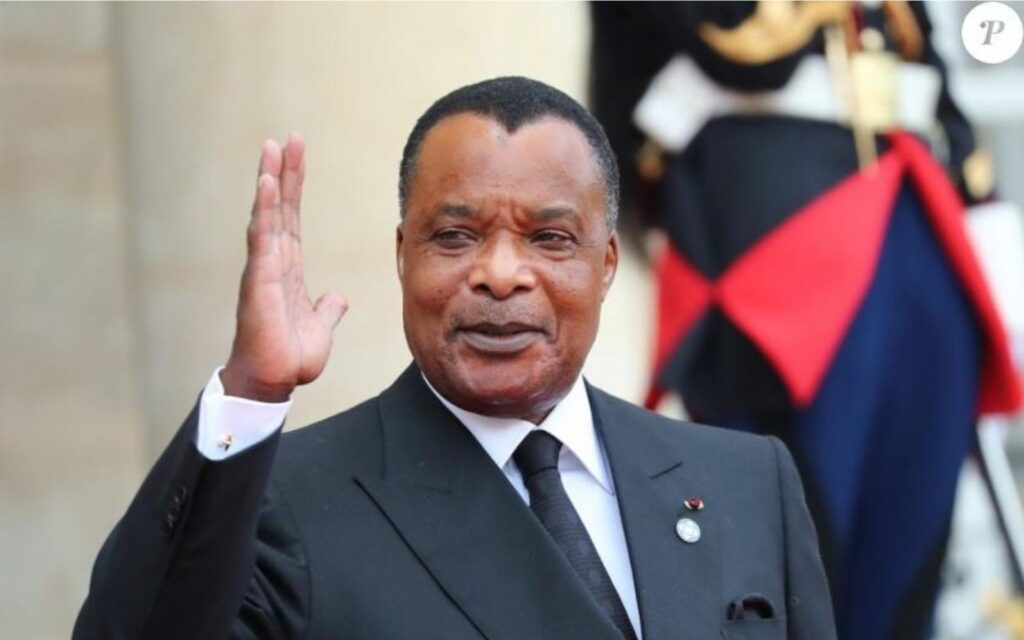
On Wednesday, President Biden disclosed that Egyptian President Abdel Fattah al-Sisi had agreed to initially allow “up to 20 trucks” to pass into the severely bombarded Gaza Strip, starting this Friday.
Sisi, whose spokesperson confirmed their agreement on “the sustainable delivery of aid” has asserted that Egypt did not intentionally close the border. Instead, he pointed out that four successive Israeli airstrikes on the Palestinian side of the Rafah crossing compelled its temporary closure.
According to an eyewitness who spoke to media, approximately “150 trucks have been waiting at Rafah” which is the sole entry and exit point for Gaza not under Israeli control. Furthermore, there are additional trucks in the nearby Egyptian city of El Arish, where planes laden with relief supplies have been landing.
Humanitarian workers stationed at the border once more emphasized the urgent need for the prompt admission of aid, as perishable supplies had already started to deteriorate.
Israel halted the provision of water, electricity, fuel, and food to the besieged Palestinian enclave following the October 7th attack by Hamas on Israeli border communities near Gaza.
More than 1,400 people have lost their lives since the Hamas assault in Israel, and Israel has responded with an extensive aerial campaign, resulting in the deaths of nearly 3,500 people in Gaza.
The United Nations humanitarian chief, Martin Griffiths, has calculated that approximately 100 trucks per day are required to address the humanitarian needs in Gaza.
During a visit to Cairo on Thursday, UK Foreign Secretary James Cleverly held talks with Egyptian Foreign Minister Sameh Shoukry concerning the entry of aid and the evacuation of British citizens.
Cairo is anticipating the arrival of UN Secretary-General Antonio Guterres later on Thursday. Guterres has emphasized the urgency of lifting the Gaza siege and allowing the entry of essential provisions, including water, food, fuel, and medicines.
Humanitarian organizations have cautioned that essential provisions have dwindled to a dangerously low level in the impoverished territory of 2.4 million people.
Israeli authorities stated that the deliveries would be restricted to “food, water, and medicine” to the southern area of Gaza, excluding the essential fuel required for generators, including those vital for hospitals.