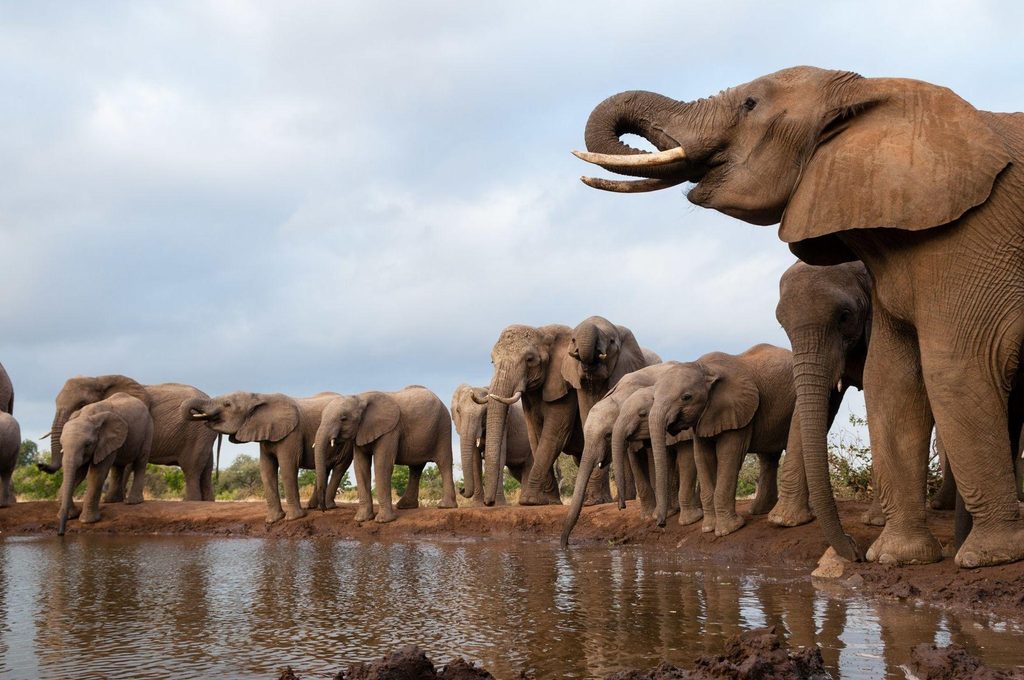
Botswana has faced criticism from animal welfare groups after authorities authorised the killing of 23 elephants to provide meat for celebrations marking the country’s 60th anniversary of independence.
The southern African nation, which has the world’s largest elephant population, held nationwide events on Wednesday to commemorate six decades since independence from Britain.
A licence issued by Botswana’s Ministry of Environment and Tourism authorised the hunting of 23 elephants, along with other wildlife, for distribution during the festivities, according to local media.
The Botswana-based Elephant Protection Society criticised the decision, warning that using elephant meat for celebrations could damage conservation efforts.
Its chairman, Oaitse Nawa, said the move risked normalising the killing of elephants and could send the wrong message about wildlife protection.
Concerns were also raised about the distribution of the meat and possible public-health risks amid a foot-and-mouth disease outbreak that has prompted authorities to impose containment measures in parts of the country.
In the north-western tourism town of Maun, community elder Tshenatshe Monwela said residents should have been allocated buffalo meat instead, arguing that elephants carry particular ecological and cultural significance.
Local media and social media posts showed residents gathering around elephant carcasses in several areas to collect meat.
In Chobe district, MP Simasiku Mapulanga raised concerns over reports that residents were taking portions directly from a carcass at a school.
He said the system could disadvantage elderly people, pregnant women and people with disabilities, and called for future distributions to be processed into smaller packages to improve hygiene and fairness.
It remained unclear by Wednesday morning how many of the 23 elephants had been killed.
Botswana has more than 130,000 elephants, and the size of the population has long fuelled debate over conservation and human-wildlife conflict.
Communities living near elephant habitats have complained of crop destruction, property damage and fatal encounters with the animals.
The government has defended regulated hunting as a tool for managing elephant numbers, reducing conflict with local communities and generating revenue for conservation and development projects.
Botswana banned trophy hunting in 2014 under former president Ian Khama, but the ban was lifted in 2019 under his successor, Mokgweetsi Masisi.
Hunting has continued under President Duma Boko, who took office after defeating Masisi in the 2024 election.
Environment and Tourism Minister Wynter Mmolotsi told parliament last year that special elephant hunting quotas generated 15.6 million pula, or about $1.1 million, in 2025 for projects in communities living near elephant populations.
Conservation groups have questioned whether current hunting levels are sustainable, while supporters of the policy argue that international criticism often fails to account for the risks and economic costs faced by rural communities living alongside large elephant populations.