A charity has issued a warning, urging governments and donors to intensify their efforts to reengage girls in education across Africa. The rising cost of living has compelled many to forsake schooling in favor of low-wage employment or early marriages.
Camfed, active in five African nations, highlighted the success of its partnership model and proposed a six-year strategy to enroll 6 million girls in schools.
The COVID-19 pandemic and the escalation of food and energy expenses over the past 18 months have hindered numerous children from attending school, curtailing their opportunities for securing skilled employment and financial independence. Angeline Murimirwa, the head of Camfed, aspires to secure a budget of $414 million (£342 million) to address this issue.
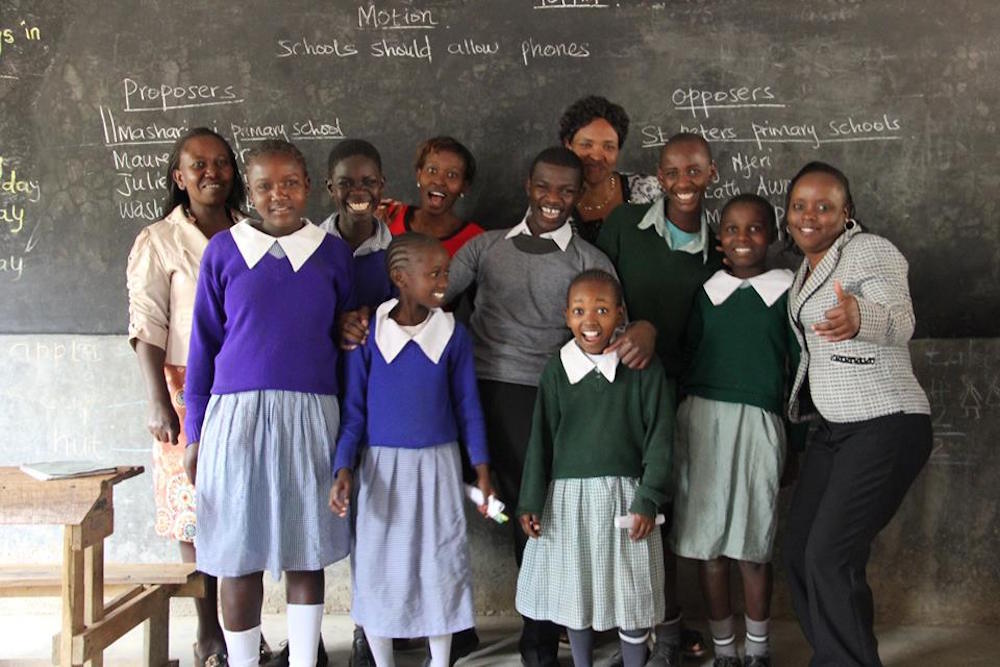
After providing educational assistance for three decades in Ghana, Malawi, Tanzania, Zambia, and Zimbabwe, resulting in 1.8 million girls gaining access to secondary education and 6.4 million boys and girls entering primary and secondary schools, the charity aims to facilitate the enrollment of an additional 5 million girls in secondary school by the conclusion of 2029. Additionally, they intend to assist women from earlier cohorts in securing employment and leadership positions.
The charity noted that their collaboration with a network of 7,000 government schools had resulted in a significant increase in girls successfully completing their education, a rate three times higher than girls in other schools. This partnership also led to enhanced self-esteem among girls, contributing to delays in the age of marriage and first pregnancy.
Murimirwa, who received support from Camfed during her own education, emphasized that the charity’s presence in schools had effectively averted high dropout rates during the pandemic.
Speaking from Malawi, a country where 46% of girls are married before the age of 18, she stated, “Over 90% of girls were able to resume their education after the lifting of COVID-19 restrictions because we closely monitored them, maintained communication, and facilitated their return.”
Despite these endeavors, in numerous countries, only a limited number of girls manage to finish their secondary education. For instance, in Zambia, a mere 3% of girls successfully complete the secondary school level. Additionally, girls contend with the community’s emphasis on marriage as a primary priority.
Unicef reports that there are 129 million girls worldwide who are not enrolled in school, comprising 32 million of primary school age and 97 million of secondary school age.
Western governments and institutions like the World Bank have acknowledged the substantial direct and indirect advantages of educating girls, extending beyond the five countries where Camfed is active.
The Business Design Centre in London recently hosted the Festival of the Girl, a not-for-profit initiative designed to inspire and involve girls aged 7 to 11. The event featured workshops on career opportunities in software coding and medicine, as well as sessions promoting body positivity.
In Goa, India, this month, schoolchildren were encouraged to create digital images as part of a campaign aimed at improving the status of girls in Indian society.
Prizes were awarded for these images, and the local authorities expressed their intent to address the issue of female fetuses being aborted, a practice that has significantly reduced the number of women in the country.
Similar to their counterparts in advanced economies, girls in the developing world who attain a higher level of education are more inclined to engage in the formal labor market and secure higher incomes.
A 2018 study conducted by the World Bank projected that “limited educational opportunities for girls, and barriers to completing 12 years of education, cost countries between $15tn and $30tn in lost lifetime productivity and earnings”.
At the time, the organisation said: “It has become widely recognised that better-educated women tend to be more informed about nutrition and healthcare, have fewer children, marry at a later age, and their children are usually healthier, should they choose to become mothers.”
Murimirwa noted that a program funded by the UK Foreign, Commonwealth, and Development Office (FCDO), a consistent partner and supporter, has provided assistance to over 600,000 girls.