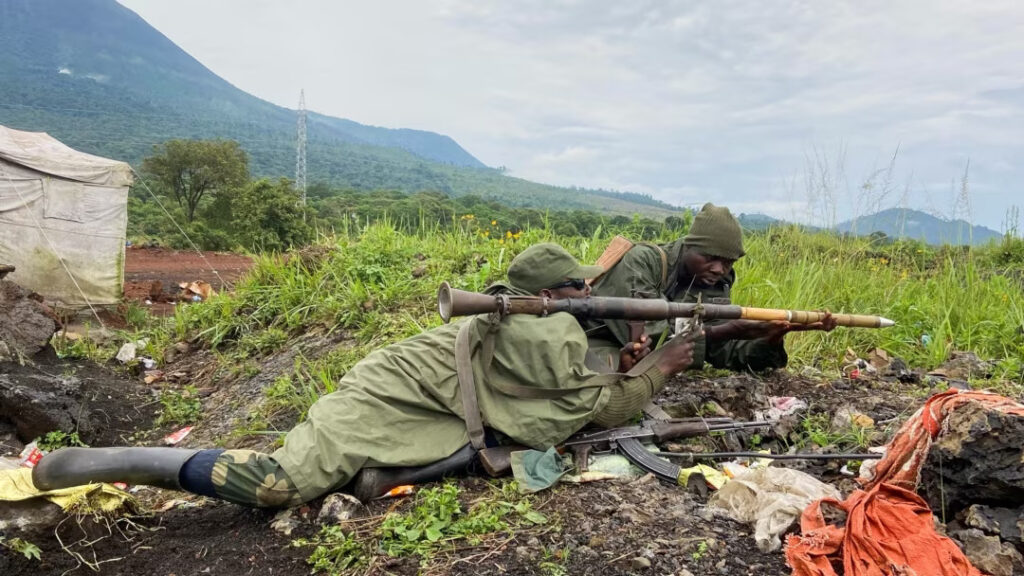
Fighting between the M23 rebel group and the Democratic Republic of Congo (DRC) military has intensified in recent weeks, raising concerns for civilian safety and sparking international condemnation.
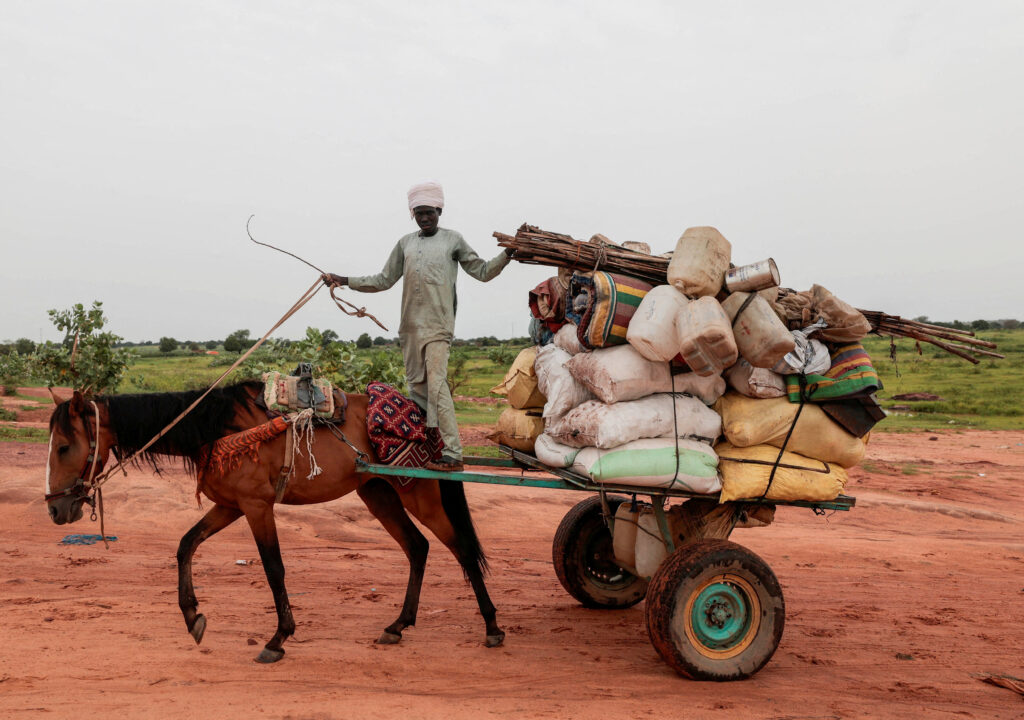
After months of relative calm, clashes erupted near Goma, the capital of North Kivu province, last month. Amnesty International has called for an immediate halt to “deliberate and indiscriminate attacks on civilians,” citing at least 35 civilian deaths and hundreds wounded. Over a million people have fled their homes due to the conflict, seeking refuge in and around Goma.
The UN, DRC government, and Western nations accuse Rwanda of backing the M23, aiming to control the region’s rich mineral resources. Rwanda vehemently denies these accusations.
Heavy artillery and mortar fire continue to be used near Bweremana, raising concerns from the US-based Center for Civilians in Conflict. The international community has been vocal in its calls for de-escalation. France urged Rwanda to withdraw support for the M23, while the US condemned the group’s violence and demanded the removal of sophisticated missiles threatening civilians. Kigali maintains they are acting in self-defense and denies direct involvement in the DRC conflict.
The M23, dormant for years, re-emerged in late 2021 and has since captured significant territory in North Kivu. Goma, strategically located near the Rwandan border, now faces practical isolation from the rest of the country. The DRC military, supported by local armed groups, private military companies, and UN and Southern African Development Community troops, struggles to contain the M23 advance.
With no end to the fighting in sight, the humanitarian crisis deepens, and the risk to civilians grows. The international community must exert sustained pressure on all parties to respect human rights, halt attacks on civilians, and find a peaceful resolution to the conflict.