In the eastern Democratic Republic of Congo, the ongoing conflict has escalated deforestation to unprecedented levels, exacerbating environmental degradation in the region, according to a recent United Nations report.
Located near Mount Nyiragongo volcano, Kibati town serves as a focal point where charcoal production, a direct result of deforestation, thrives amid insecurity.
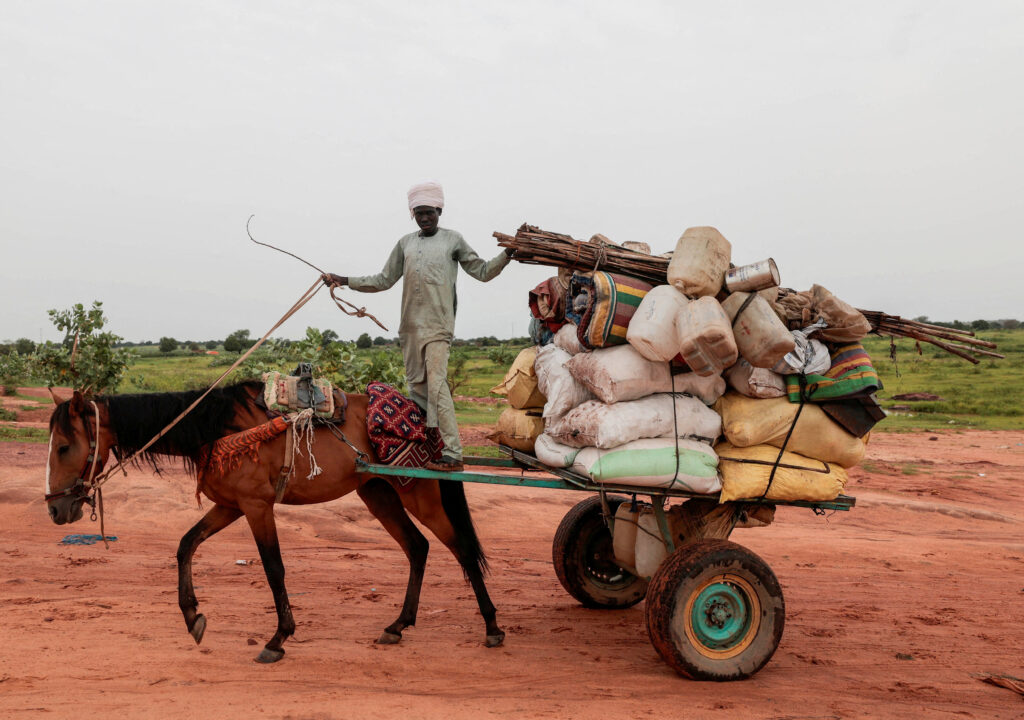
Displaced communities, like that of vendor Jacques Muzayi, resort to charcoal production out of necessity, leading to increased pressure on the once lush hillsides and Virunga National Park, home to endangered species such as mountain gorillas.
Bantu Lukambo, from a local environmental organization, lamented the drastic changes in the landscape due to the conflict, highlighting widespread logging and deforestation as combatants vie for control.
The situation has been worsened by martial law imposed in response to escalating violence since 2021, contributing to a significant loss of forest cover in Nyiragongo and Rutshuru territories.
Global Forest Watch data revealed a sharp rise in tree cover loss, with Virunga experiencing a 22% increase in 2021 and a further loss in 2022, mainly due to illegal logging and conflict-related activities. Emmanuel de Merode, the park’s director, emphasized the devastating impact of the conflict on the environment, particularly around Nyiragongo volcano, where deforestation has been extensive.
Despite efforts by park rangers, such as those led by De Merode, armed groups like the M23 militia have severely hindered conservation efforts in Virunga, disrupting efforts to protect its diverse wildlife, including endangered species like the Okapi.
Local residents, such as Christoph Lewis, stressed the link between conflict and environmental degradation, urging authorities to prioritize peace efforts to mitigate further destruction.
The conflict in the region continues to pose immense challenges to environmental conservation, threatening the rich biodiversity and natural habitats of Virunga National Park.