The Democratic Republic of Congo and the AFC/M23 rebel group agreed Friday to release prisoners within ten days, aiming to ease tensions.
The deal also guarantees unimpeded movement of humanitarian aid, offering a narrow corridor of relief in a region long scarred by conflict.
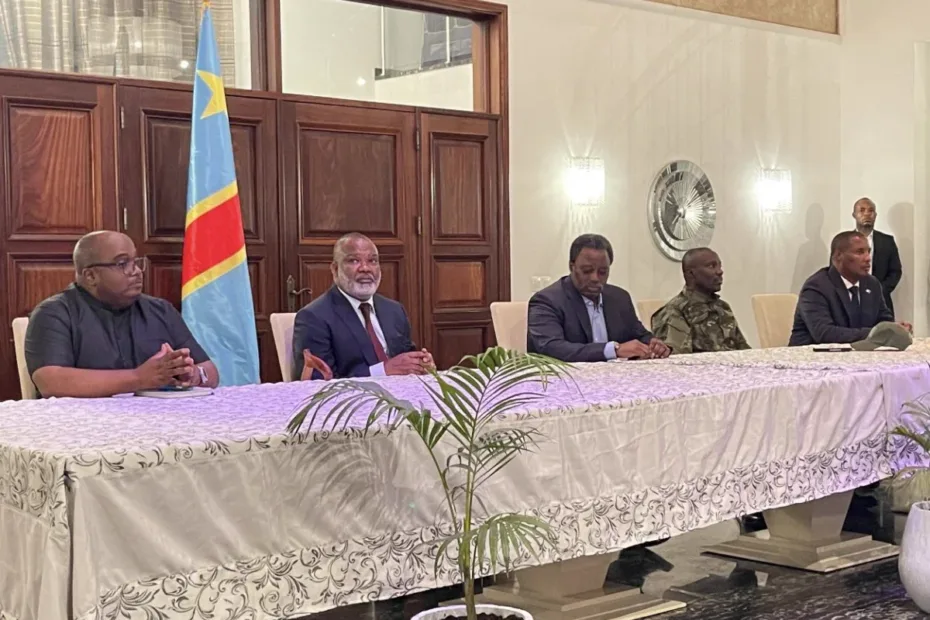
The agreement emerged after a week of talks in Switzerland, where negotiators sought fragile ground for confidence-building measures.
Mediated by Qatar, the discussions were relocated from Doha due to the widening shadows cast by conflict in the Middle East.
A joint statement confirmed the prisoner release would follow a mechanism signed on September 14, 2025, reinforcing trust between both sides.
AFC/M23 official Benjamin Mbonimpa said the exchange involves 311 rebel members and 166 detainees held by government forces.
The International Committee of the Red Cross will oversee identification, verification, and safe release, serving as a neutral guardian of the process.
Both parties also pledged to refrain from destroying civilian infrastructure, signalling a cautious step away from the devastation of war.
The move builds on a December agreement between President Felix Tshisekedi and President Paul Kagame aimed at ending eastern Congo’s violence.
That accord followed a separate peace initiative brokered by US President Donald Trump in June, reflecting sustained international pressure for stability.
Despite diplomatic progress, the security situation remains fragile, with continued clashes between AFC/M23 fighters and Congolese government forces.
On Friday, M23 spokesperson Lawrence Kanyuka accused government-aligned forces of launching coordinated attacks in densely populated areas of Kalehe territory.
The M23 rebels, long central to the conflict, control significant territory, including the strategic provincial capitals of Goma and Bukavu.
Their presence, coupled with allegations of Rwandan support, continues to cast a long and uncertain shadow over eastern Congo’s path to peace.