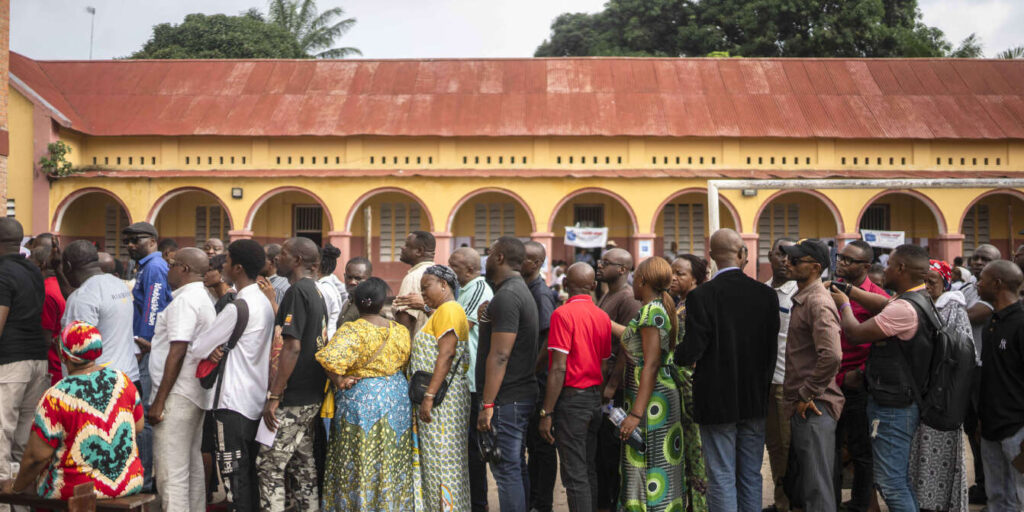
In response to alleged “irregularities” stemming from last week’s elections, the DR Congo government has declared the banning of an opposition-led protest scheduled for Wednesday.
This decision follows a letter published on Saturday by five opposition presidential candidates to the governor of Kinshasa, announcing their plan for a demonstration. However, as final results remain undisclosed, the government has deemed the protests disruptive to the electoral process.
“Tomorrow’s demonstrations are intended to undermine the electoral process — the government of the republic cannot accept this,” Interior Minister Peter Kazadi told journalists. “I can assure you that there will be no such march.”
Among the signatories of the letter are Martin Fayulu, who previously claimed victory in the 2018 elections, and Denis Mukwege, the Nobel Peace Prize laureate recognized for his efforts aiding victims of wartime sexual violence. These leaders condemned the election as a “sham” and expressed their intent to protest against observed irregularities during voting.
Another candidate, Moise Katumbi, a former governor of the Katanga region, called for the annulment of the elections.
Despite the ban, dozens of civil society organizations and additional presidential candidates have pledged to join Wednesday’s protests, demanding the annulment of the elections. They criticized the voting extension over several days, alleging widespread fraud and emphasizing their determination to march peacefully.
“You cannot threaten or traumatise a population that wants to march peacefully,” said Mino Bopomi from the citizens’ movement Filimbi.
The election, involving nearly 44 million voters in a country of about 100 million inhabitants, experienced logistical challenges, prompting an official extension of the voting period by a day. According to partial results released by the electoral commission, incumbent President Felix Tshisekedi leads with 80 percent of approximately 1.8 million counted ballots.
The opposition has decried the situation, alleging “total chaos” in the electoral process.