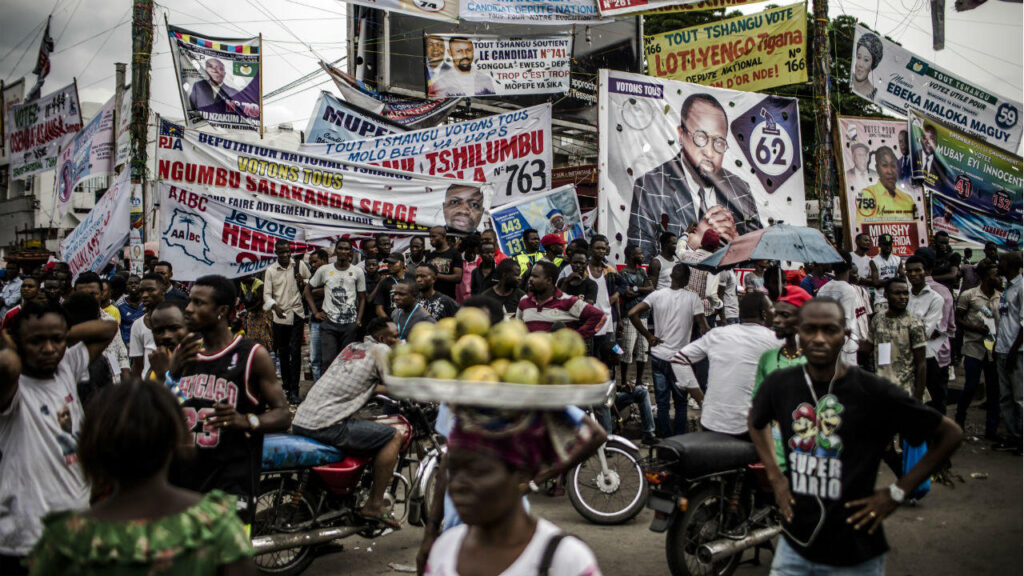
The Democratic Republic of Congo’s highly anticipated presidential elections have encountered significant setbacks due to extensive delays experienced at various polling stations across the nation.
As voters eagerly queued up for their turn to cast their ballots, lengthy delays became a recurring issue, causing frustration and disruption on the election day.
In the capital city of Kinshasa and several other urban centers, polling stations opened almost two hours behind schedule, attributing the delays to the tardy delivery of crucial ballot papers.
This election, known for its critical significance, has encountered logistical hurdles, portraying a scene of chaos and uncertainty.
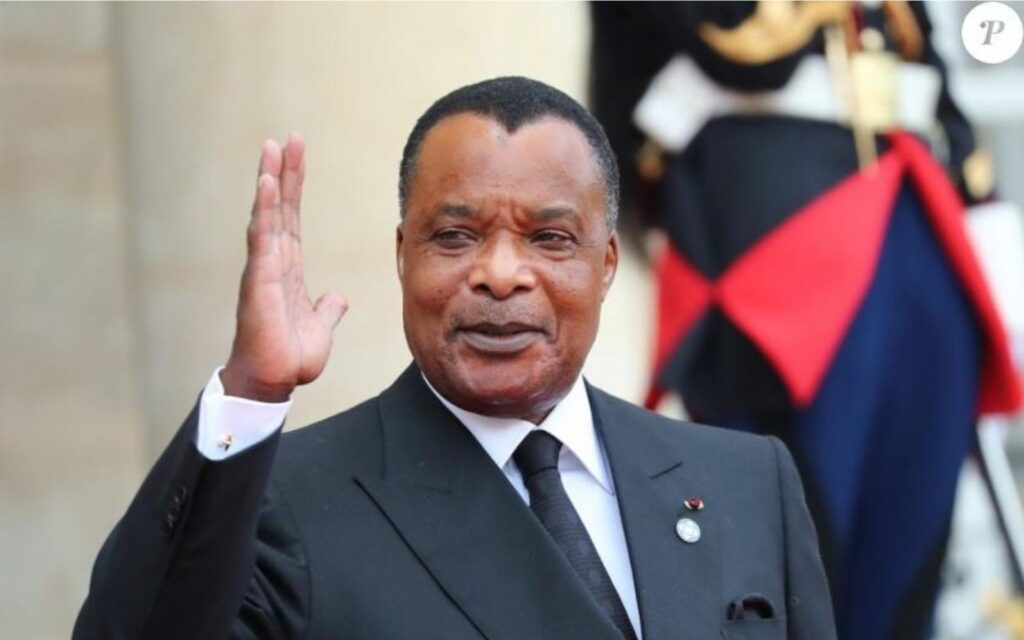
President Félix Tshisekedi finds himself in contention against 18 other candidates in this high-stakes election. The vast nation of DR Congo, approximately four times the size of France, grapples with a lack of fundamental infrastructure, causing substantial challenges in organizing and executing such a monumental electoral process.
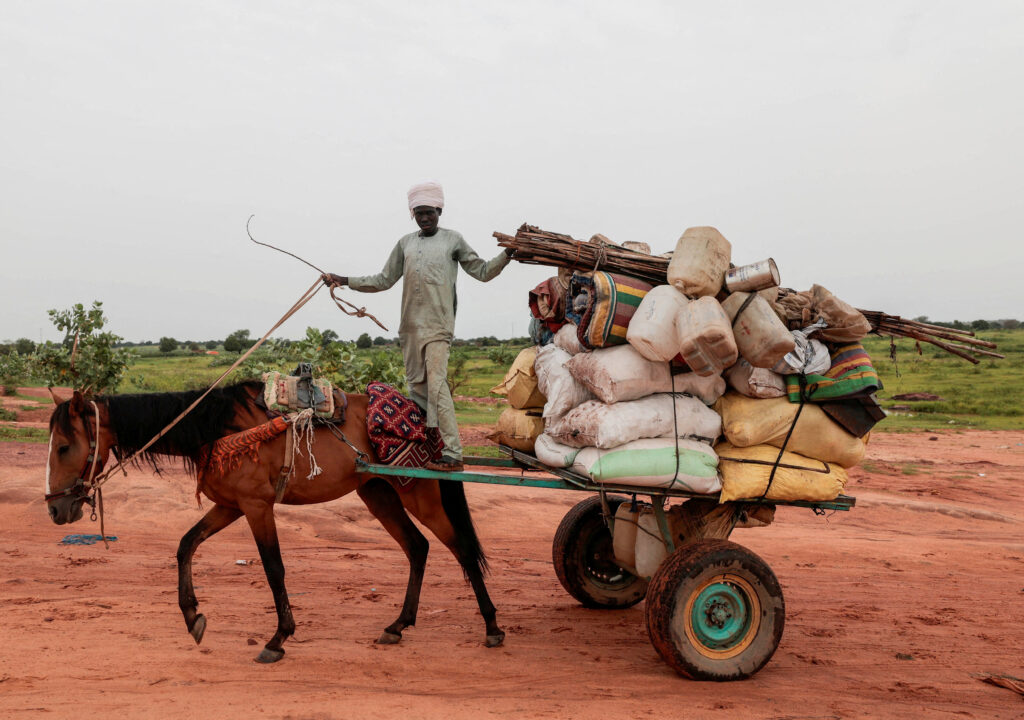
Even major cities remain disconnected by roads, underscoring the immense logistical obstacles faced in ensuring smooth operations.
To navigate these challenges, the UN, along with Egypt and neighboring Congo-Brazzaville, aided in airlifting election materials to remote areas, a testament to the extraordinary efforts made to facilitate the voting process across the expansive nation.
With a registered voter count of 44 million, the election campaign was predominantly overshadowed by escalating insecurity prevalent in the mineral-rich eastern regions.
Instances of turmoil emerged in Bunia, located in the northeastern part of the country, where individuals who had fled previous violence expressed their dismay by attacking a polling station. This unrest led to the destruction of voting machines, prompting police intervention to restore order, exemplifying the heightened tensions and challenges faced in conducting a peaceful election.
The Democratic Republic of Congo holds significant reserves of cobalt, a crucial element in numerous lithium batteries essential for a future less dependent on fossil fuels. Amidst the presidential race, notable contenders challenging President Tshisekedi include wealthy mining magnate Moïse Katumbi and former oil executive Martin Fayulu. Fayulu, who contests the outcome of the 2018 election, questioned by several international observers, remains a prominent figure in the current electoral landscape.
Despite the optimism stemming from the historic peaceful transfer of power following the previous election, this year’s polls indicate a deeply divided political landscape. The significant number of challengers to President Tshisekedi might fracture opposition support, potentially influencing the election outcome.
The electoral process extends beyond the presidential race, encompassing parliamentary, provincial, and municipal representatives across the vast nation.
Over 100,000 candidates vie for various positions, operating in a country spanning approximately 2,000 kilometers from west to east.
Insecurity, particularly in the eastern provinces of Ituri, North Kivu, and South Kivu, remains a predominant concern. The region, home to extensive mineral wealth, has been marred by the presence of numerous armed groups vying for control.
This volatility has displaced around seven million people, hindering their ability to participate in the voting process due to challenges in registration and rebel activity.
The election, expected to conclude after an 11-hour voting period, commenced at 06:00 local time (04:00 GMT in Goma; 05:00 GMT in Kinshasa). The electoral commission is slated to release provisional results on December 31st, as the nation eagerly awaits the outcome of this critical election amid ongoing challenges and uncertainties.