After a 20-year hiatus, the Democratic Republic of Congo has reinstated the death penalty, focusing on offenses such as treason and “banditry” in response to escalating rebel activity in the volatile eastern regions.
The decision, announced in a statement signed by Justice Minister Rose Mutombo on Wednesday, overturns a ban on capital punishment that had been in place since 2003.
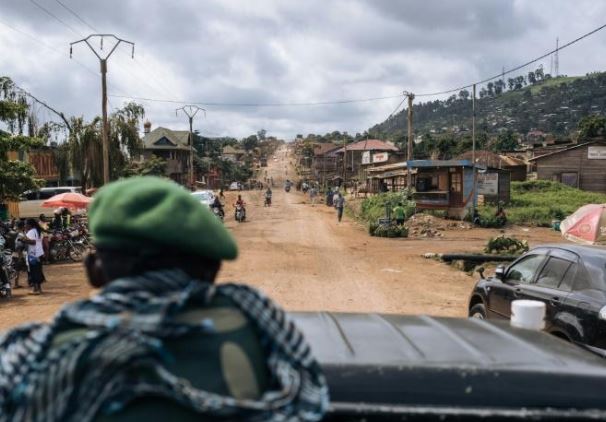
The resurgence of the death penalty comes amidst a two-year offensive by M23 (March 23 Movement) rebels, who have gained control over large areas of the northeastern North Kivu province. Concerns have been raised about possible collaboration between some members of the Congolese army and the rebel forces, leading to arrests of military personnel, parliamentarians, senators, and business figures on charges of complicity with the enemy.
The statement cited the toll of treacherous acts and espionage on the population and the Republic, stating that reinstating the death penalty aims to cleanse the country’s armed forces of traitors and address the surge in terrorist activities and deadly urban crime.
The decision has drawn condemnation from various human rights organizations. The pro-democracy movement LUCHA criticized the move, expressing concerns about potential abuses in a justice system already marred by flaws. Amnesty International labeled it a significant setback for human rights.
Reports from security forces in the eastern regions suggest plans for public executions of soldiers accused of collaborating with rebel groups, particularly with the M23 and Rwanda.
Prior to its prohibition under former president Joseph Kabila, the death penalty was frequently imposed, especially in cases involving military personnel or members of armed factions. Since 2003, death sentences had been commuted to life imprisonment in some instances.