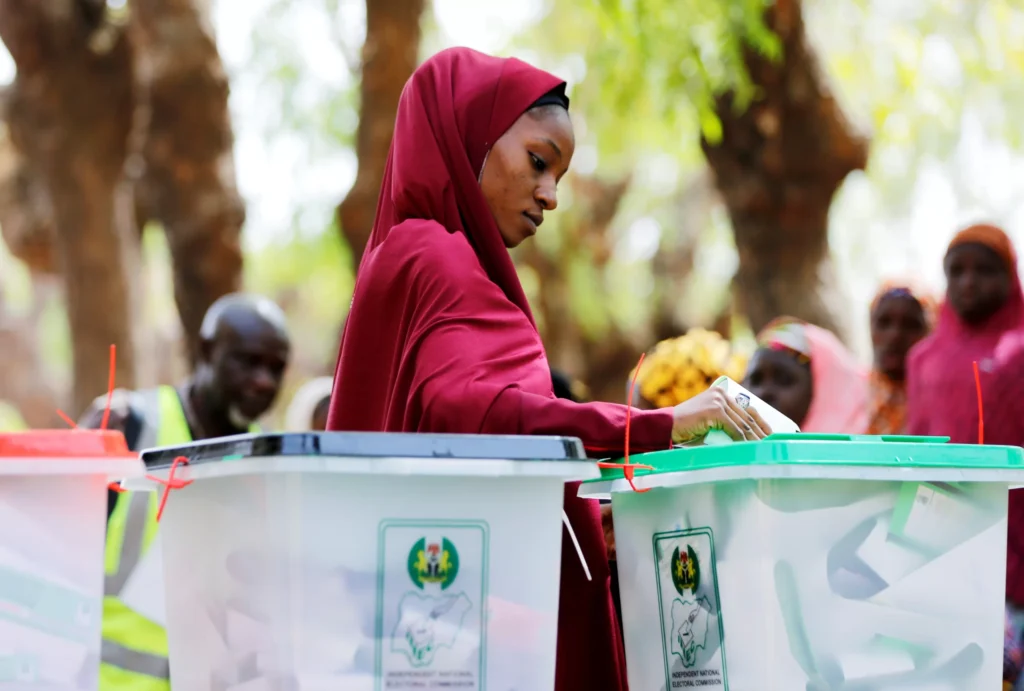
The Democratic Republic of Congo’s election commission has taken a significant step by canceling the votes cast for 82 out of the 101,000 legislative candidates who participated in the contentious December general election.
The decision was made due to allegations of fraud and other issues. This move comes amidst fresh calls from the opposition for a complete redo of the vote, heightening tensions in the nation.
The disqualified candidates include individuals vying for positions in the national, provincial, and municipal assemblies. The results for these elections are yet to be published, contributing to the ongoing fallout from the December 20 poll.
The situation threatens to further destabilize the Democratic Republic of Congo, which is a leading producer of cobalt and the second-largest country in Africa.
While the Commission Electorale Nationale Indépendante (CENI) addressed the legislative candidates, it notably did not comment on the presidential vote held on the same day, which resulted in a landslide victory for President Felix Tshisekedi.
The opposition has contested the presidential result, citing widespread electoral irregularities reported by both their own monitors and independent observers.
In response to the post-election turmoil, CENI initiated an inquiry to investigate “acts of violence, vandalism, and sabotage” allegedly committed by certain candidates against voters, election staff, and electoral materials.
The outcome of this investigation led to the invalidation of 82 legislative candidacies and the complete annulment of elections in two out of the 484 constituencies.
Among the excluded candidates are four acting provincial governors and three government ministers. Despite these actions, the opposition remains unsatisfied, accusing CENI of favoring President Tshisekedi.
Presidential challenger Martin Fayulu reiterated the opposition’s call for the annulment of the vote and a full redo.
However, authorities have dismissed this demand. Fayulu urged international organizations such as the African Union and the Southern African Development Community to intervene and resolve the ongoing issues.
Tresor Kibangula, a political analyst at Congo’s Ebuteli research institute, expressed skepticism about the fairness of the presidential election, considering the reported irregularities during the legislative elections held on the same day with the same electronic voting devices.
He questioned whether the proclaimed victory of President Tshisekedi was distorted by the widespread irregularities observed across the country.