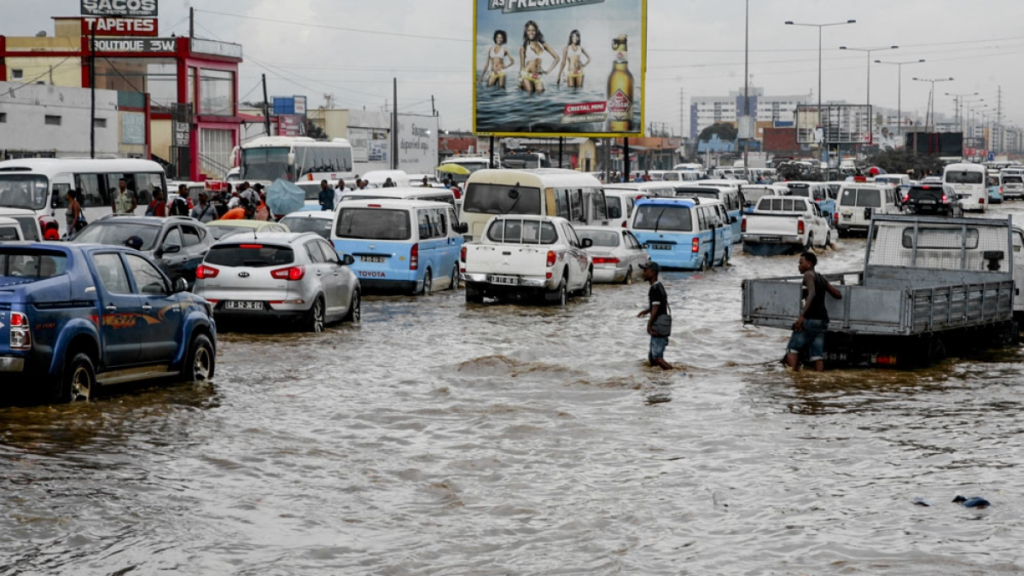
Torrential rains and flash floods have unleashed a humanitarian crisis in East Africa, leaving a trail of devastation and displacement across Somalia, Kenya, Ethiopia, and Tanzania.
The relentless downpours have claimed over 350 lives and uprooted more than 1 million people, disrupting lives and livelihoods across the region.
Kenya Bears the Brunt of the Floods
Kenya has emerged as the epicenter of the flooding crisis, with at least 136 fatalities and nearly half a million displaced.
Persistent rains since October have inundated 38 of the country’s 47 counties, triggering flash floods, general flooding, and mudslides.
The northeastern parts and the eastern coast of Kenya have borne the brunt of the deluge, with severe damage to homes and infrastructure.
Cargo rail services from the port of Mombasa were disrupted last month, highlighting the widespread disruption caused by the floods.
El Niño Blamed for Unusual Rainfall
The unusually heavy rains are attributed to the El Nino weather phenomenon, a climate pattern originating in the Pacific Ocean along the equator that impacts weather patterns worldwide.
El Nino has historically been associated with severe flooding in eastern Africa, leading to landslides, elevated waterborne diseases, and food shortages.
Climate Change Exacerbates the Crisis
The Horn of Africa, encompassing Somalia, Ethiopia, Kenya, Djibouti, and Eritrea, is one of the world’s most vulnerable regions to climate change.
While the overall amount of rainfall annually is expected to decline in the region as the Earth warms, the frequency and intensity of heavy rainfall events are projected to increase.
This means that the Horn of Africa may experience more extreme weather events, including both prolonged droughts and devastating floods.
The current crisis underscores the urgent need for climate action to mitigate the region’s vulnerability to climate change.
President Ruto Calls for International Assistance
Kenyan President William Ruto has activated the National Disaster Operation Center to coordinate emergency response efforts.
On Thursday, the Interior Ministry announced a decrease in rainfall in northern Kenya is expected this week.
Addressing the COP28 climate summit in Dubai, President Ruto underscored the dire consequences of climate change as witnessed by the catastrophic floods.
“The situation in our Horn of Africa region, like many other developing countries, lays bare the harsh reality of climate change,” he stated.
The devastating floods in East Africa serve as a stark reminder of the disproportionate impact of climate change on developing regions.
Urgent international assistance is crucial to alleviate the suffering of millions affected by the floods and support long-term resilience-building efforts.