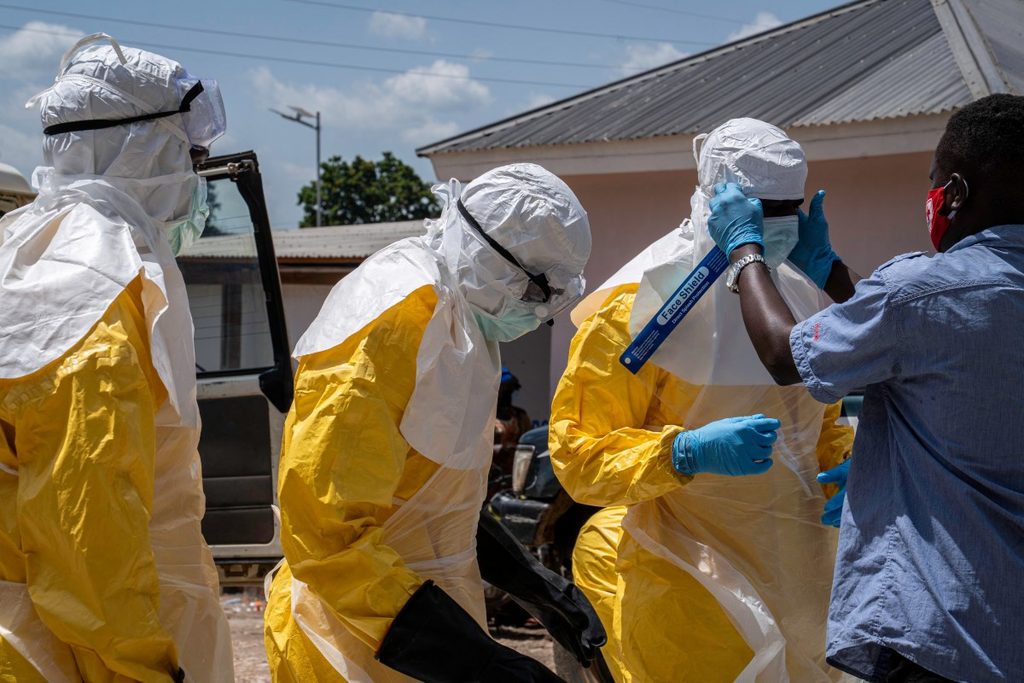
More than 5,000 people have died in an Ebola outbreak in the Democratic Republic of Congo (DR Congo), according to government figures released on Friday, as health authorities struggle to contain the country’s deadliest epidemic of the disease on record.
The outbreak, declared in May, has infected more than 10,000 people and spread across eight of the country’s 26 provinces, placing mounting pressure on an already overstretched healthcare system.
Health officials have struggled to contain the virus amid ongoing armed conflict, delayed detection of infections and limited access to medical services in affected areas.
The epidemic is being driven by the rare Bundibugyo species of Ebola, for which no approved vaccines or specific treatments are currently available.
Many fatalities have occurred outside designated treatment centres, complicating efforts to identify infections, trace contacts and prevent further transmission.
The outbreak has become the world’s second-largest Ebola epidemic on record, surpassed only by the 2014–2016 West African crisis, which infected more than 28,600 people and killed over 11,000 across Guinea, Liberia and Sierra Leone.
The virus has also spread beyond DR Congo, raising concerns about a broader regional public health emergency.
Nigeria last week became the fourth African country to report an Ebola infection linked to the expanding outbreak, following confirmed cases in Kenya and Uganda.
The spread into West Africa has heightened concerns about cross-border transmission as authorities face growing challenges in containing the epidemic.
The latest figures underscore the severity of the crisis, with more than 5,000 deaths recorded in less than six months since the outbreak was declared.
Efforts to bring the epidemic under control remain hampered by insecurity, fragile healthcare infrastructure and the absence of approved medical countermeasures against the Bundibugyo strain.