In a potentially game-changing move for its landlocked economy, Ethiopia signed an initial agreement with Somalia’s breakaway region of Somaliland on Monday to utilize the strategic Red Sea port of Berbera. This marks a significant development for both nations, potentially boosting Ethiopian trade and granting Somaliland a major economic and diplomatic step.
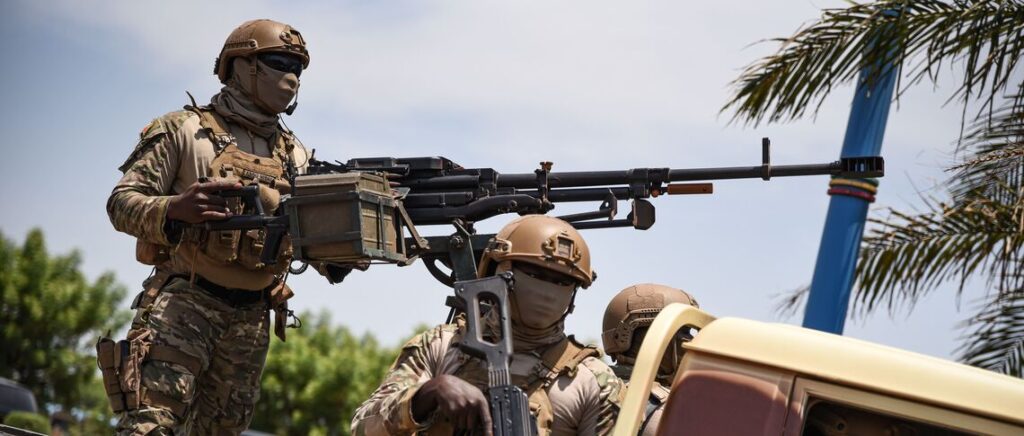
Prime Minister Abiy Ahmed hailed the agreement as a milestone moment, stating, “This has been finalized with our Somaliland brothers, and a Memorandum of Understanding has been signed today.” The deal paves the way for Ethiopian commercial marine operations in the region, including access to a leased military base on the Red Sea, according to Ethiopia’s National Security Adviser Redwan Hussien.
The agreement extends further, offering Somaliland a unique benefit – a potential stake in Ethiopia’s state-owned Ethiopian Airlines, though specific details on this aspect remain undisclosed. This economic partnership could provide Somaliland with much-needed investment and development opportunities.
However, the agreement also touches upon a sensitive geopolitical issue: the status of Somaliland itself. Though the region declared independence from Somalia in 1991, it has not gained widespread international recognition. In fact, Somalia maintains Somaliland as part of its sovereign territory.
President Muse Bihi Abdi of Somaliland stated that Ethiopia’s future recognition of Somaliland as an independent nation is also part of the agreement. While this could be a significant diplomatic breakthrough for Somaliland, it is likely to face strong opposition from Somalia and raise concerns about regional stability.
Adding another layer of complexity, a glimmer of hope for Somalia-Somaliland reconciliation emerged last week. According to Somalia’s state media, mediation efforts by Djibouti have led both parties to agree on resuming talks aimed at resolving their long-standing dispute.
The Ethiopia-Somaliland agreement, while potentially transformative for both nations, undoubtedly introduces new and complex dynamics into the already volatile Somali political landscape. Whether it fosters regional cooperation or exacerbates existing tensions remains to be seen. As negotiations progress and details emerge, the international community will watch closely to assess the full implications of this landmark deal.