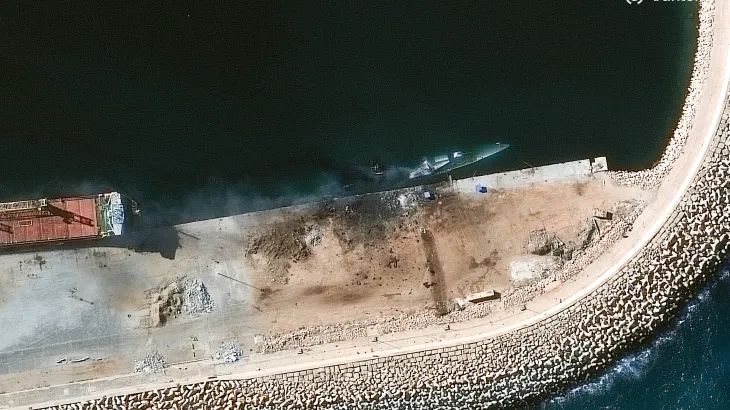
Ukraine’s sinking of a Russian warship in Benghazi has drawn an African Union warning over a campaign that reaches well beyond Libya. In northern Mali, Ukrainian drone specialists have helped separatist fighters facing Russian troops. In Sudan, where Moscow is seeking a naval base on the Red Sea, a Ukrainian intelligence source says Kyiv has also deployed specialists.
President Volodymyr Zelenskyy confirmed on November 23 that Ukrainian forces had struck two Russian vessels the previous day. Naval drones sank the corvette Merkury at Benghazi’s naval base and hit the cargo ship MV Angara offshore. Ukraine’s security service, which carried out the operation with the military, said the Angara transported Russian military equipment and the corvette had escorted it.
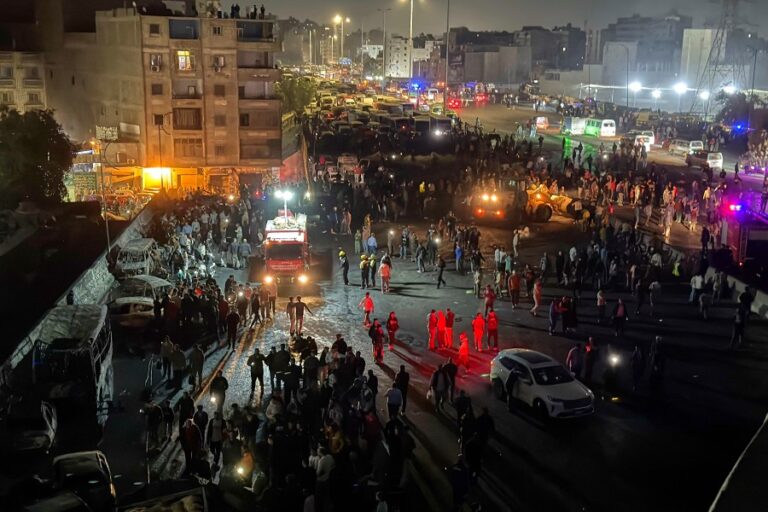
Satellite imagery showed the Merkury capsized, with only its bow above water. The damaged Angara was subsequently towed to safety, according to Le Monde. Medical sources told Reuters that 10 people, including Russians and Libyans, suffered minor injuries.
The loss matters to Moscow because Benghazi links its Mediterranean shipping routes to its military operations in the Sahel. Libya has grown more important to Russia since the fall of Bashar al-Assad in Syria in December 2024. Days before the attack, a Russian cargo aircraft arrived in Benghazi from Moscow and continued to Bamako, the Malian capital, according to Le Monde.
Ukrainian specialists in Mali and Sudan
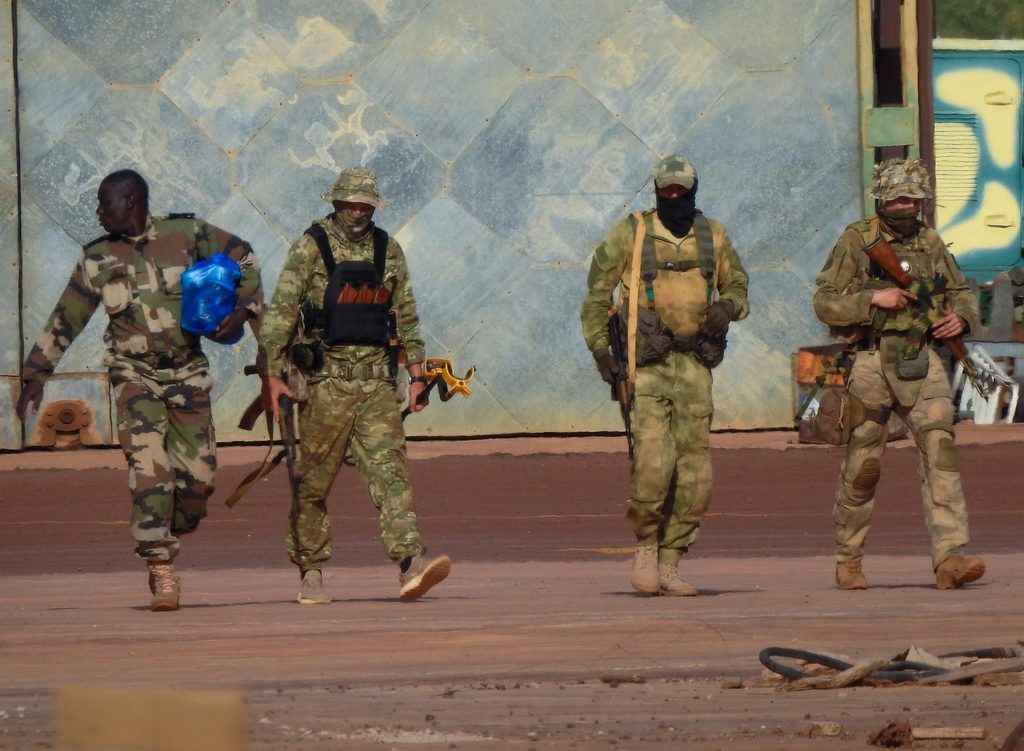
Kyiv’s role in Mali first came under scrutiny in July 2024, when separatist fighters inflicted heavy losses on Russia’s Wagner Group and Malian troops near Tinzaouaten, on the Algerian border. Mali and neighbouring Niger severed diplomatic ties with Ukraine the following month, accusing Kyiv of supporting armed groups.
A fuller picture emerged this September, when CNN reported that about 15 Ukrainian specialists had been deployed to northern Mali to assist the Tuareg-led Azawad Liberation Front. A Ukrainian military intelligence source told the network that fighters from Chad, Niger and Burkina Faso had also travelled to Mali for drone training. The source did not identify their affiliations.
The same source said several Ukrainian specialists were stationed in Sudan. Russia, meanwhile, has cultivated ties with Sudanese Armed Forces chief Abdel Fattah al-Burhan as it pursues an agreement with the SAF government for a naval base on the Red Sea. Moscow’s talks with Burhan complicate any simple division of Sudan’s warring parties into Russian and Ukrainian camps.
Drones, grain and diplomacy
Elsewhere in Africa, Kyiv has offered drone technology directly to governments. Ukraine offered to train Mauritania’s military in 2025, while Ghana expressed interest in Ukrainian drones to monitor its northern border amid the threat from armed groups in the Sahel, according to Erem News.
Those discussions preceded a July 2026 decision allowing Ukraine, under specified conditions, to export military equipment and technical expertise. The arrangements can include sales, technology transfers and joint production. Ukraine’s National Security and Defence Council puts the country’s annual capacity at more than eight million first-person-view drones.
Kyiv’s African ties also rest on grain shipments and a growing diplomatic presence. Ukraine has expanded its network on the continent from 10 embassies in 2022 to 18. Its grain exports to Africa reached about 10 million tonnes in 2024, nearly double the previous year’s volume, Erem News reported.
Its separate food aid programme, launched as Grain from Ukraine and later renamed Food from Ukraine, raised more than $380 million with international donors. By February 2026, the programme had delivered about 324,000 tonnes of agricultural products to countries in Africa and Asia, according to the Ukrainian government.
The response to Benghazi shows the diplomatic cost Kyiv can face when it pursues Russian forces on African soil. Libya’s eastern government sought a UN inquiry. On November 24, African Union Commission Chairperson Mahmoud Ali Youssouf condemned the attacks, backed an independent investigation and called for respect for Libyan sovereignty.
Public opinion offers little support for taking sides. In an Afrobarometer survey across 38 African countries published in March, 72% of respondents who had heard of the war wanted their country to remain neutral. Mali, where Ukrainian personnel have been helping rebels fight Russian forces, was the sole country surveyed where a majority backed either side. There, 72% favoured Russia.