Mozambique’s government has imposed a ban on large-scale demonstrations that have swept the nation since the disputed October 9th general election. The move comes as tensions escalate and violence continues to grip the country.
Interior Minister Pascoal Ronda issued a decree on Friday, characterizing the protests as “acts of terrorism” and vowing to halt the demonstrations to prevent further damage. The government has faced widespread criticism for its handling of the situation, with human rights organizations condemning the “worst crackdown” in years.
The protests erupted after the National Election Commission declared the ruling Mozambique Liberation Front (Frelimo) candidate, Daniel Chapo, the victor with a significant margin. Opposition leader Venancio Mondlane disputed the results, alleging fraud and calling for nationwide protests.
The demonstrations have resulted in tragic consequences, with at least 33 fatalities and numerous injuries reported. Prominent opposition figures, including Elvino Dias and Paulo Guambe, were killed in Maputo, sparking further outrage.
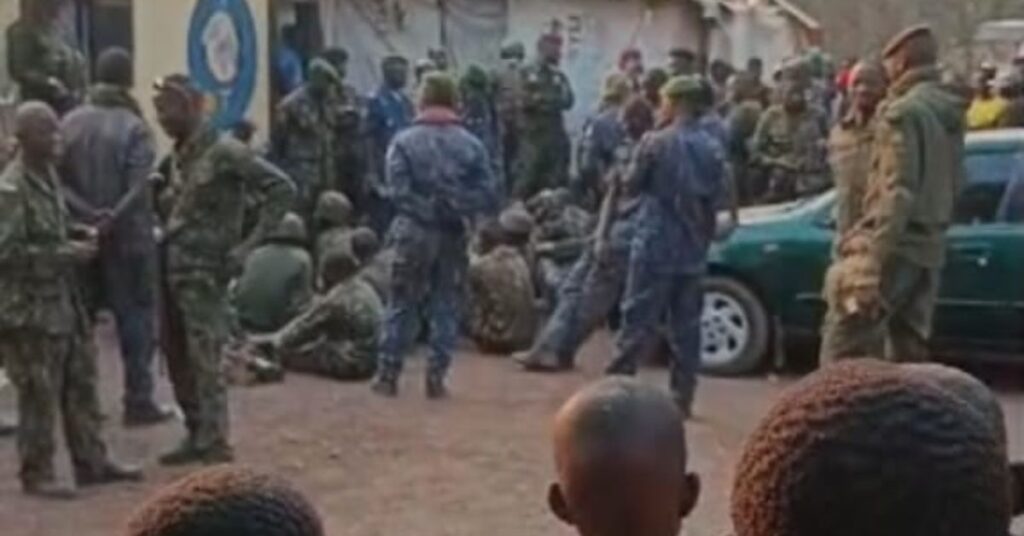
Hundreds of protesters have been detained by authorities, according to the Centre for Democracy and Development. The Mozambique Bar Association has confirmed providing legal assistance to over 2,700 individuals arrested during the protests.
International journalists have also been affected by the crackdown. Two South African journalists working for Nigeria’s News Central TV were arrested in Maputo but were later released following diplomatic intervention. Additionally, two Portuguese journalists covering the protests were expelled from the country.
As the situation remains volatile, concerns grow over the potential for further violence and human rights abuses. The international community is closely monitoring developments in Mozambique and urging all parties involved to engage in peaceful dialogue and resolve the political crisis.