Health authorities in eastern Democratic Republic of Congo are rushing to contain a rapidly spreading Ebola outbreak after an American missionary tested positive, as officials warn the disease risks spreading further across borders.
The outbreak, centered in Ituri province, has already prompted the World Health Organization (WHO) to declare a Public Health Emergency of International Concern due to growing regional transmission concerns following confirmed cases in neighbouring Uganda.
Health officials reported 105 suspected Ebola-related deaths and 393 suspected infections across nine health zones in Ituri, while laboratory testing has confirmed eight cases. Authorities also confirmed an additional case in Goma, the capital of North Kivu province.
The outbreak is being driven by the Bundibugyo strain of Ebola, a rarer variant for which there are currently no approved vaccines or virus-specific treatments, complicating response efforts.
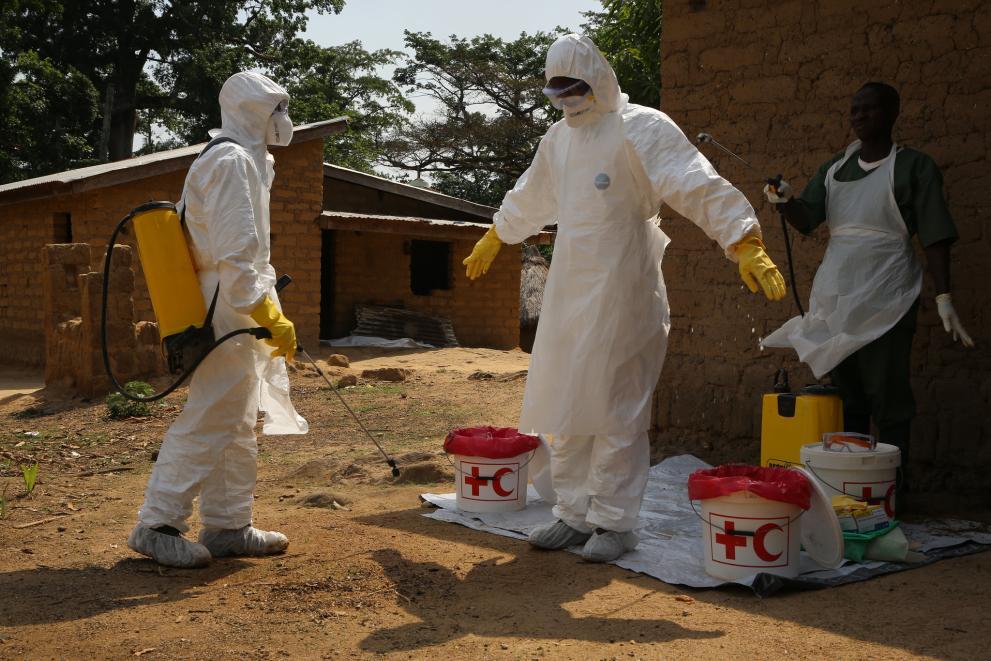
Medical teams and emergency supplies have been deployed to affected areas as local health systems struggle to cope.
“This is not a mystical disease,” DRC Health Minister Samuel Roger Kamba told Reuters during a visit to Bunia, where emergency treatment centres are being established. “Make yourself known so that you can be taken care of and so that we can prevent the disease from spreading.”
The U.S. Centers for Disease Control and Prevention (CDC) said it was arranging the transfer of the infected American missionary to Germany for treatment. Six additional people exposed to the virus are also expected to be moved for monitoring.
WHO officials said protective equipment stocks in Kinshasa had been depleted and additional supplies were being flown in from regional reserves in Kenya.
The outbreak has already begun disrupting regional movement. The U.S. embassy in Uganda temporarily suspended visa services due to the outbreak, while Ugandan authorities postponed next month’s Martyrs’ Day celebrations, which traditionally attract large numbers of pilgrims from eastern Congo.
Health officials believe transmission accelerated after a funeral procession arrived in Mongbwalu, the outbreak’s epicentre in Ituri.
“After that, we experienced a cascade of deaths,” former Mongbwalu mayor Jean Pierre Badombo said.
Officials also acknowledged delays in identifying the virus. Initial samples tested negative for the more common Zaire Ebola strain, slowing confirmation until May 14 before authorities officially declared the outbreak the following day.
Aid agencies warned weakened surveillance systems and reduced international funding contributed to delayed detection.
“When surveillance networks break down, dangerous diseases like Ebola are able to spread further and faster before communities and health workers can respond,” said Lievin Bangali, senior health coordinator for the International Rescue Committee in DRC.
The current outbreak marks Congo’s 17th Ebola outbreak since the virus was first identified in the country in 1976. WHO estimates Ebola fatality rates average around 50%, though past outbreaks have ranged between 25% and 90%.