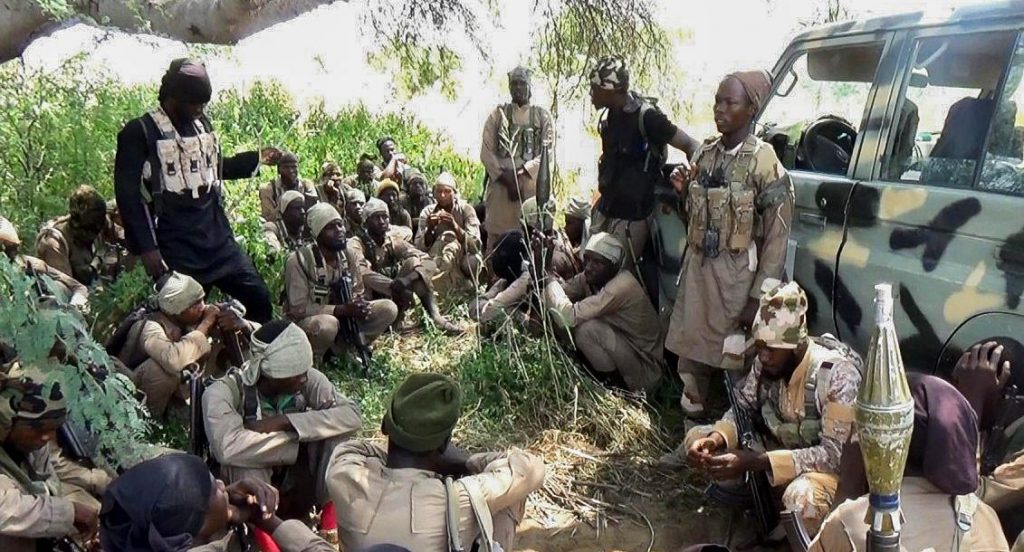
Islamic State (IS) pays members of its West African affiliate for weapons and equipment they seize from military bases around Lake Chad. Former fighters say the money helps explain why some recruits stay with the group even when they have little commitment to its cause.
The Institute for Security Studies (ISS) traced the payments to IS through interviews with former members and others familiar with the finances of Islamic State West Africa Province (ISWAP). In research published on November 12, the institute found that IS sets a cash value for captured equipment and funds the payouts. The finding helps explain why the affiliate repeatedly attacks army bases across the region. A successful raid replenishes its arsenal and pays the fighters who took part.
The prospect of payment matters in the border communities of Nigeria, Niger, Chad and Cameroon, where years of conflict and pressure on livelihoods have left many people earning less than national wage figures suggest. Some ISWAP members also receive salaries. The institute put that pay at 75,000 Nigerian naira a month, just above Nigeria’s national minimum wage of 70,000 naira.
Former members drew a distinction between what brings someone into ISWAP and what keeps them there. Some newer recruits had been coerced into joining, they said. Others joined for an income. In both cases, former fighters believed the group would struggle to hold on to members if the payments stopped.
ISWAP emerged from a split within Boko Haram in 2016. Its rival, Jama’atu Ahlis Sunna Lidda’awati wal-Jihad, known as JAS, relies heavily on looting civilians to sustain its fighters. The two factions remain active around Lake Chad, where communities on the Cameroonian side have faced repeated displacement.
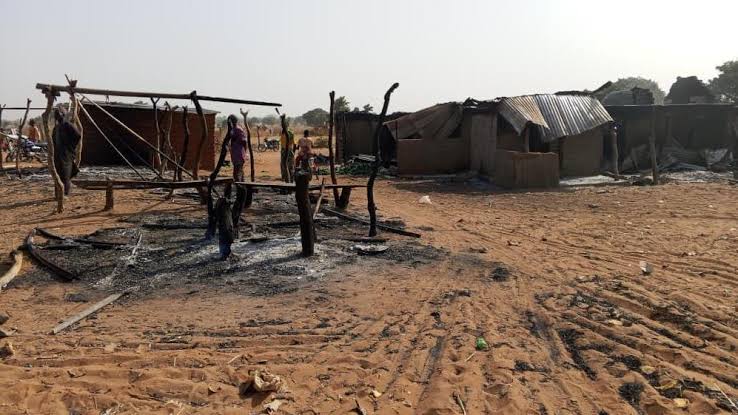
Attacks in Darak, Bargaram and Hilé-Alifa forced more than 11,300 people from their homes, according to a separate ISS report published in October. Cameroon’s defence minister, Joseph Beti Assomo, announced a new Lake Chad unit of the country’s Rapid Intervention Battalion in September as violence intensified in the Far North.
The unit’s mandate includes disrupting armed groups’ supply networks and curbing ISWAP’s expansion from northeastern Nigeria. For residents who have already fled, the challenge extends beyond the army’s initial response to an attack. ISS researcher Raoul Sumo Tayo said protecting those communities would require Cameroonian forces to maintain a presence in the area and coordinate with their counterparts across the border.