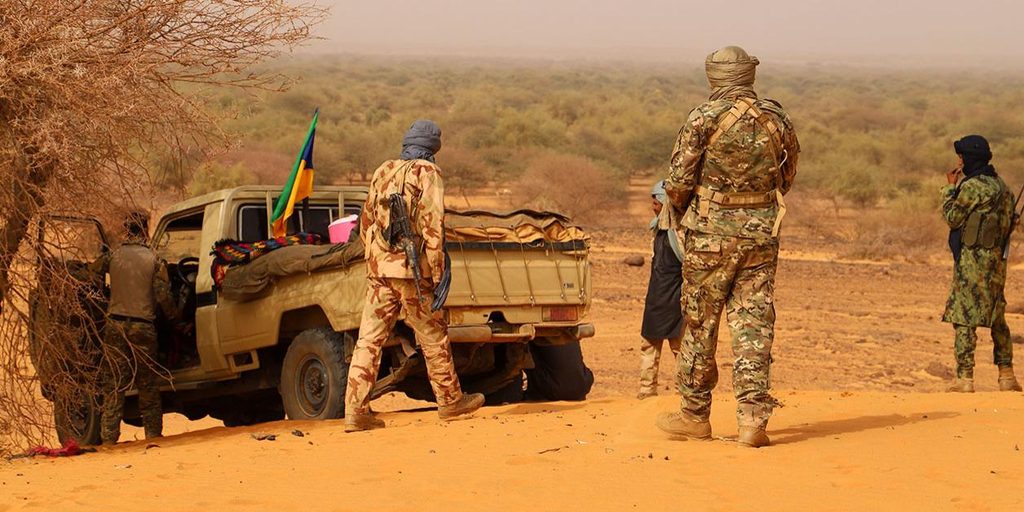
Fierce fighting has erupted between rival extremist groups affiliated with ISIS and Al-Qaeda along the Mali-Burkina Faso border, raising fears of further violence as the organisations compete for territory, resources and strategic trade routes.
A Malian security source told Erem News on Monday that fighters from Jama’at Nusrat al-Islam wal-Muslimin (JNIM), an Al-Qaeda-linked coalition, had clashed with members of Islamic State’s Sahel affiliate in several volatile border areas.
The source, speaking anonymously, said the confrontations took place around Tessit, west of Menaka in Mali, and extended into Arbinda and Tin-Akoff in northern Burkina Faso.
The areas have experienced prolonged insecurity, allowing armed groups to exploit weak government control and compete for influence over local communities and cross-border movement.
Similar fighting occurred in September, while further confrontations were reported in October, highlighting the escalating rivalry between the two organisations.
Islamic State has claimed to have killed approximately 400 JNIM fighters during clashes in Burkina Faso’s Oudalan province and captured around 30 others. The casualty figures have not been independently verified.
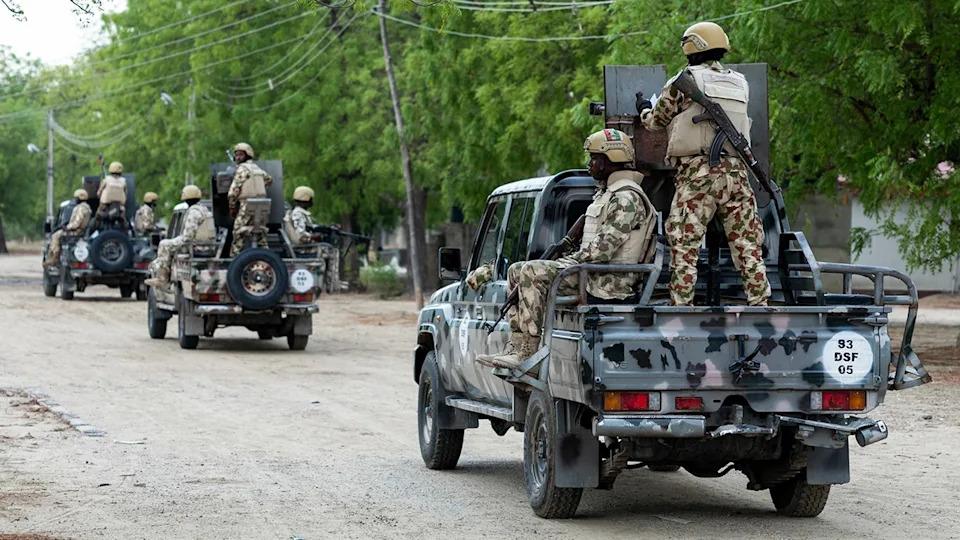
The latest confrontations have reportedly prompted discussions among security authorities about reinforcing military deployments in vulnerable border regions.
Battle for resources and territory
Political analyst Qassem Keita said the violence reflects an increasingly intense competition for financial resources and control of strategic corridors connecting Mali, Burkina Faso and Niger.
He told Erem News that both organisations seek to dominate commercial routes, smuggling networks and irregular migration corridors, generating revenue through taxes and payments imposed on traders.
Keita said control over these routes enables the groups to finance military operations, acquire weapons and attract recruits through financial incentives.
He added that national armies have struggled to maintain effective surveillance over remote border settlements, particularly in Mali, where prolonged military operations have stretched available resources.
Rivalry threatens regional security
Despite reports of significant battlefield losses, JNIM remains the more powerful organisation militarily and structurally across much of the Sahel, according to African affairs analyst Ibrahim Habibou.
Habibou said ISIS fighters had demonstrated an ability to launch surprise attacks against their Al-Qaeda-linked rivals but had yet to overturn JNIM’s broader regional advantage.
He warned that competition for recruits, senior commanders and territorial influence could intensify as both organisations seek to consolidate their positions.
The rivalry forms part of a wider security crisis affecting Mali, Burkina Faso and Niger, where military-led governments have struggled to contain extremist violence despite sustained counterinsurgency operations.
According to conflict monitoring data cited by TV5Monde, JNIM and Islamic State fighters engaged in more than 320 battles between 2019 and September 2026, leaving approximately 2,200 people dead.
The intensifying confrontations threaten to further destabilise communities already suffering from displacement, disrupted trade and years of armed conflict.
Analysts warn that continued fighting between the rival organisations could deepen insecurity across the central Sahel, particularly in remote areas where government authority remains limited.