Between April and September, Islamist armed groups and Malian soldiers have reportedly killed a minimum of 175 civilians, with a significant number of them being children, according to Human Rights Watch. This has led to strong condemnation of the deliberate targeting of civilians as war crimes.
The Al-Qaeda-linked Support Group for Islam and Muslims (GSIM) has been identified as responsible for the fatalities of at least 135 civilians in two separate attacks, as stated in a report seen by media on Thursday, according to the human rights organization.
Human Rights Watch (HRW) attributed the massacre on the Timbuktu ferry, which occurred on Mali’s Niger River on September 7 and resulted in the deaths of at least 120 individuals, to GSIM fighters. This conclusion is based on witness testimonies gathered by the organization.
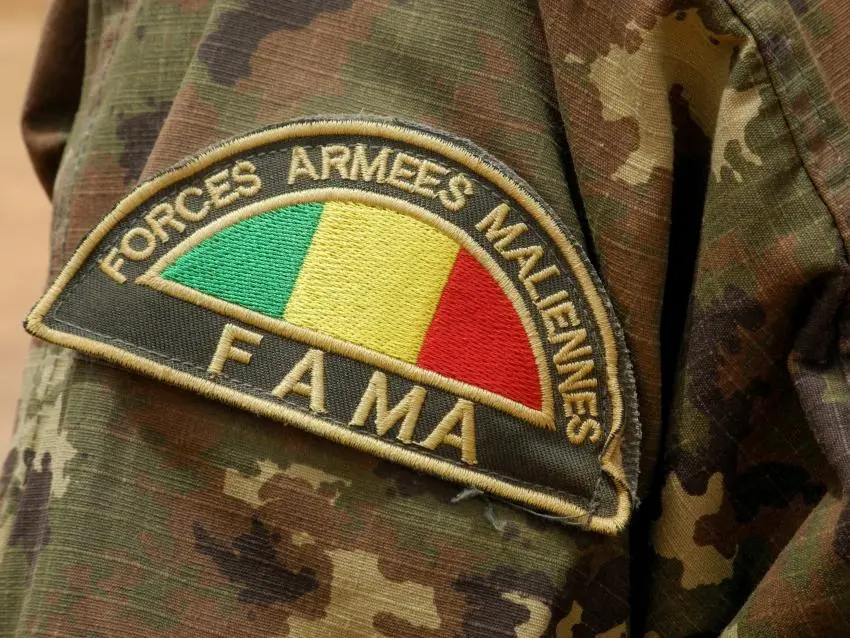
According to the report, Malian soldiers and individuals believed to be associated with the Russian mercenary group Wagner were responsible for the deaths of 40 civilians in three separate operations that took place between April and September.
Bamako’s junta leaders formed a collaboration with the Wagner group following the withdrawal of French troops from Mali in 2022.
The HRW report relies on telephone interviews conducted with 40 individuals during August and September.
Ilaria Allegrozzi, HRW’s senior researcher for the Sahel, emphasized that the figures cited in the report pertain exclusively to the five cases that were specifically examined by the organization. She also pointed out that the actual number of civilians killed in Mali during that period might be considerably higher.
Since 2012, the country, under the rule of a military junta since 2020, has been embroiled in a multifaceted crisis, grappling with both jihadist violence and deep-seated challenges.
HRW reported that it had shared its findings with Malian authorities, but as of now, no response has been received from them.
“The Malian government has failed to take adequate measures to protect civilians in conflict affected areas,” Human Rights Watch said.
“The targeted killing of civilians by Islamist armed groups and the Malian army are war crimes that should be thoroughly and impartially investigated,” said Allegrozzi.
The organisation called on Mali’s transitional military authorities to, with the support of international rights experts, “urgently conduct credible and impartial investigations into the alleged abuses, and hold those responsible to account.”
Tensions rising
Since the conclusion of August, there has been a resurgence of hostilities in northern Mali, primarily involving Tuareg separatist armed groups, coupled with a heightened frequency of jihadist assaults against the Malian army.
Human rights organizations and the UN peacekeeping mission, MINUSMA, have repeatedly alleged that the army has been involved in human rights violations.
Members of Wagner have also been criticised since their arrival in the country.
According to the authorities, they maintain surveillance to ensure the observance of human rights and conduct investigations as required. However, the outcomes of these investigations are not disclosed to the public.
In June, the Malian junta made an unusual request for the peacekeepers to depart immediately, resulting in an unexpectedly swift withdrawal process, scheduled to conclude by the end of the year.
The military rulers declared the UN mission a “failure” and criticized what they perceived as its exploitation of the human rights matter.
The withdrawal of MINUSMA has heightened the competition among various armed factions striving to assert control over the region, encompassing separatist groups, jihadist forces, and the regular army.
HRW highlighted one of the incidents it investigated, which involved reported abuses during an army operation in the western village of Trabakoro while searching for GSIM fighters.
According to witnesses interviewed by the organization, on April 22, two military helicopters reportedly fired upon the village, and soldiers subsequently conducted house-to-house searches, shooting at individuals both inside their homes and outside as they attempted to escape.
They said soldiers killed 18 people, including 14 children and four women.
“The soldiers killed women and children whom they took to be women and children of jihadists,” a resident told HRW.
In another incident on August 6, Malian soldiers, alongside several individuals in military uniforms that appeared to be associated with Wagner, conducted an operation in the northern village of Sambani, which is a known area of GSIM activity, as reported by HRW.
“Authorities arrested 16 men and a boy, whose bodies were later found outside the village,” the organisation said.
“All the victims appeared to have been shot in the head and tortured,” a man who was at the scene told HRW.