An Al-Qaeda-linked armed group is expanding its presence along Mali’s border with Guinea, exploiting dense forests, smuggling networks and local economic grievances to establish new operational bases, according to a study warning of a possible new front in West Africa.
Jama’at Nusrat al-Islam wal-Muslimin (JNIM), an Al-Qaeda affiliate active across the Sahel, has steadily strengthened its foothold in southwestern Mali since 2018, using remote forest areas to shelter fighters, coordinate operations and extend its influence towards neighbouring Guinea.
The findings were published by Germany’s Konrad Adenauer Foundation in a study examining the group’s expansion and the growing security threat along the Mali-Guinea border.
The research, based on interviews conducted in June and July 2026, describes how JNIM has exploited poverty, weak governance, disputes over land and resources, and established trafficking networks to consolidate its presence.
Dense forests have become central to the group’s strategy, providing concealment, logistical support and operational bases beyond the reach of government forces.
The Baoulé forest, northwest of Bamako, has emerged as a significant stronghold for JNIM’s Macina faction and a staging area for operations targeting Mali’s capital and nearby military installations.
According to security sources cited in the research, the forest has also been used to prepare attacks involving explosives and suicide bombers.
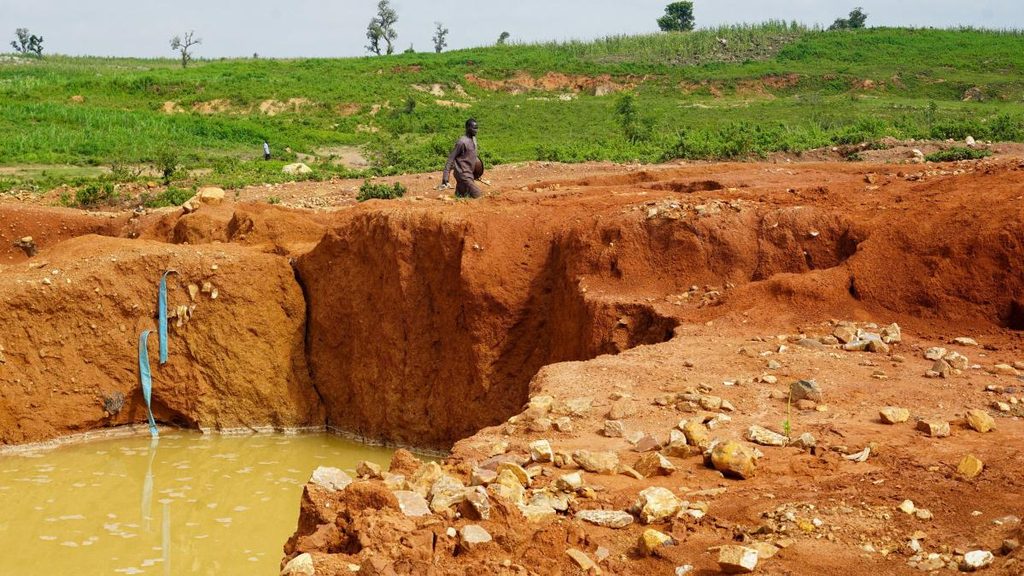
In southwestern Mali, the group has moved beyond reconnaissance and intelligence gathering towards consolidating control over strategically important economic routes, including gold-mining areas, livestock migration corridors and trade links connecting Bamako with Guinea’s port of Conakry.
The study said JNIM relies on local networks, including individuals involved in smuggling, criminal activities and cross-border livestock movements, to obtain intelligence, secure supplies and facilitate the movement of fighters.
Some intermediaries cooperate in exchange for financial incentives or guarantees of safe passage, while others face intimidation and coercion.
The group has also sought to strengthen its influence among local communities by using Bambara, one of southern Mali’s most widely spoken languages, in its communications and recruitment activities.
Growing threat to Guinea
Security reports cited in the study indicate that JNIM-linked fighters and networks have infiltrated forested areas along Guinea’s border with Mali, raising concerns that the group could establish a permanent presence across the frontier.
However, the researchers said the available evidence does not establish that JNIM has secured territorial control or opened an organised armed front inside Guinea.
The study warned that continued expansion could create a strategic corridor connecting forest strongholds in southwestern Mali with areas inside Guinea, allowing fighters to move across borders and coordinate operations.
Such a development would mirror militant expansion patterns already observed in Mali, Burkina Faso, Niger and parts of the wider Sahel.
Economic activities are another major concern.
JNIM has increasingly sought to influence informal gold-mining operations and livestock routes, imposing payments on businesses and using kidnapping for ransom to generate revenue.
Chinese nationals working in Mali’s gold-mining sector have been among those targeted, according to the research.
The group’s growing presence also threatens critical transport corridors supplying Bamako, potentially strengthening efforts to isolate Mali’s capital economically and militarily.
Guinea and Mali have reinforced security measures along their shared border, while Guinean authorities have supported local surveillance committees intended to identify suspicious movements and prevent militant infiltration.
Despite these efforts, the study warned that weak state institutions, unresolved community disputes and the profitability of illicit trade could enable JNIM to establish a more durable cross-border presence.
It called for stronger intelligence sharing between the two countries, improved civilian protection and greater government involvement in managing land disputes and regulating economic activities.
The findings highlight a growing concern among regional security analysts that Guinea, which has so far largely avoided the scale of militant violence affecting its Sahelian neighbours, could become increasingly exposed as armed groups expand southwards.