Kenya and Tanzania are currently on high alert as a cyclone approaches their Indian Ocean shores, potentially exacerbating the already devastating floods that have plagued the region.
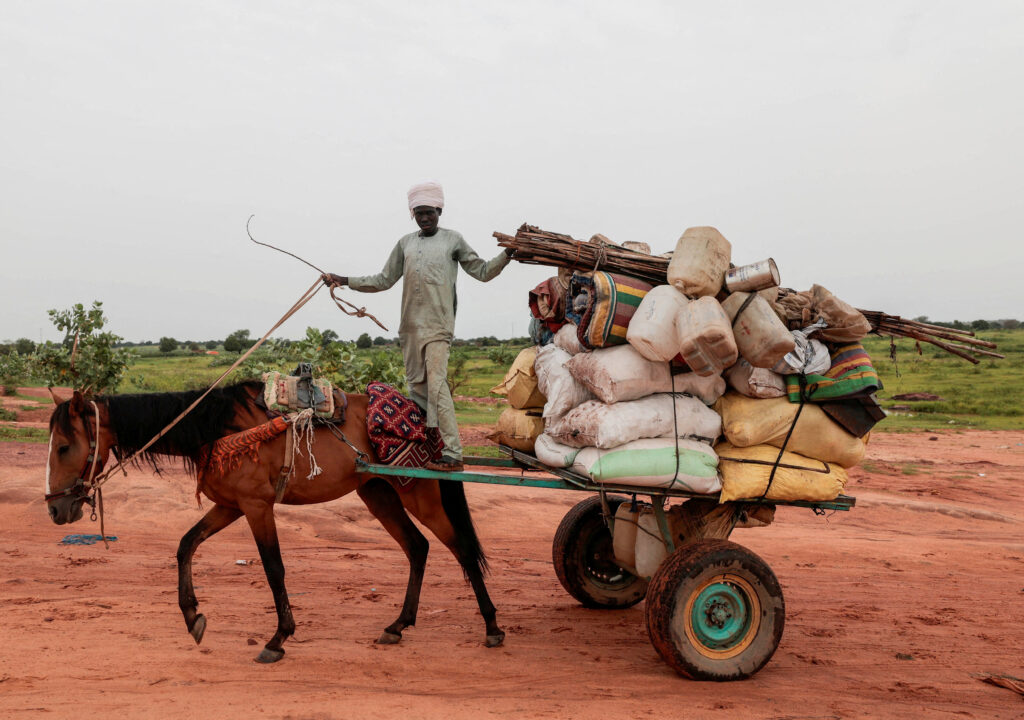
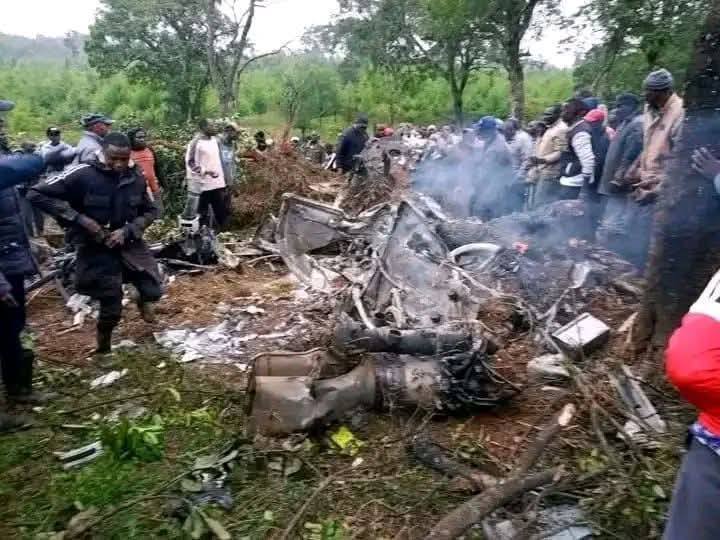
Over the past few weeks, East Africa has witnessed around 400 fatalities and the displacement of tens of thousands due to relentless rains causing floods and landslides, which have swept away homes, roads, and bridges.
Kenyan President William Ruto, acknowledging the severity of the situation, has postponed the reopening of schools indefinitely and characterized the weather forecast as “dire,” marking the country’s first encounter with such a cyclone. Tropical Cyclone Hidaya is anticipated to hit the coastal areas of Kenya and Tanzania over the weekend, bringing with it torrential rains, strong winds, and dangerous waves.
In Kenya alone, approximately 210 individuals have lost their lives due to flood-related incidents, with nearly 100 reported missing and 165,000 forced to flee their homes. The Kenya Meteorological Department has cautioned that Cyclone Hidaya could bring winds exceeding 40 knots and waves exceeding two meters in height to the coastal regions.
In response to the looming threat, Kenya’s interior ministry has issued evacuation orders for residents living near major rivers or dams, citing the risk of spillover from 178 dams and water reservoirs reaching full capacity.
However, criticism has arisen from opposition figures and advocacy groups, accusing the government of inadequate preparation and sluggish response despite prior weather alerts.
Meanwhile, Cyclone Hidaya is forecasted to reach its peak with gusts of up to 165 kilometers per hour upon landfall in Tanzania. The Tanzanian Meteorological Authority has urged residents in vulnerable areas and those engaged in marine activities to take utmost precautions as the cyclone approaches.
East Africa’s vulnerability to climate change is underscored by the amplified rains this year, attributed in part to the El Niño weather pattern. This phenomenon, which typically brings drought to some regions and heavy rainfall to others, has exacerbated the ongoing crisis.
Moreover, neighboring Burundi has also experienced casualties and displacement, with at least 29 lives lost and tens of thousands displaced since September due to the intense rains.
The United Nations Refugee Agency has expressed particular concern for thousands of refugees in Burundi, Kenya, Somalia, and Tanzania who face further displacement as their homes are washed away by the floods.
This latest natural disaster follows closely on the heels of last year’s rains and floods in Ethiopia, Kenya, and Somalia, which claimed over 300 lives, compounding the region’s struggles as it attempted to recover from a severe drought.