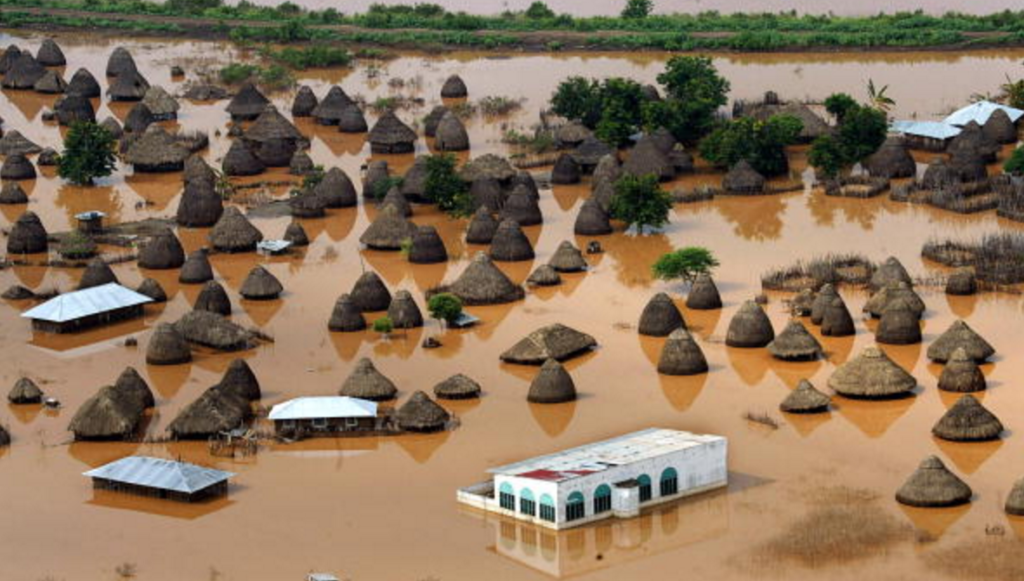
The Kenyan government issued a plea on Monday, urging residents in flood-prone regions to move to higher ground due to persistent heavy rains causing havoc in East Africa.
As the downpours persisted since October, 76 people lost their lives, and 40,000 were displaced, prompting President William Ruto to call an emergency cabinet meeting. Ruto revealed that floods and mudslides, exacerbated by the El Nino phenomenon, affected 38 out of Kenya’s 47 counties.
Hussein Mohammed, State House spokesperson, highlighted the dire situation, citing disease outbreaks, infrastructure and property destruction, and prolonged power outages across Kenya and neighboring regions.
The coastal cities of Mombasa and Malindi, along with northern Kenya bordering Somalia, experienced the most severe impact, leaving thousands displaced in Garissa town. Joel Ngui, a resident, expressed despair: “All roads are destroyed. I don’t even know where people will go.”
Infrastructure Devastation and Human Tragedy
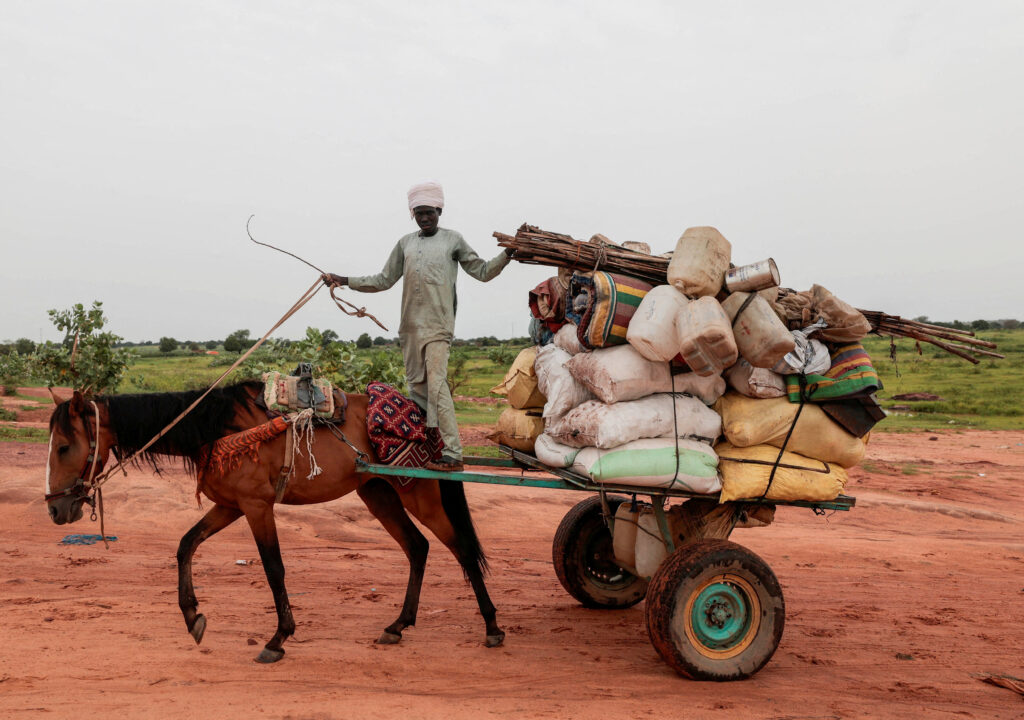
Numerous roads and bridges were washed away or partially destroyed, hindering access to those stranded by floodwaters. In Garissa, residents living near the Tana River, Kenya’s largest, faced homelessness and hunger as the river burst its banks.
Marian Ware, a widow and mother of five, shared her heart-wrenching experience: “I had no one to help me; my husband died a long time ago. I was struggling to get my children to safety. When I went back, everything was gone.”
President Ruto activated the National Disaster Operation Center on Sunday but stopped short of declaring a national emergency. Hussein, Ruto’s spokesperson, hinted at a possible change, stating, “if things get out of hand, if things get worse.”
Meanwhile, Kenya’s meteorological department warned that the heavy rains would persist into the new year, prolonging the threat to affected regions.
In Somalia, the death toll from the deluge reached 96 on Monday, while in Ethiopia, 44 people lost their lives. The ongoing rains pose a significant challenge to the region, necessitating coordinated efforts to mitigate the impact and support affected communities.