In a significant development on Tuesday, Libyan authorities initiated the repatriation of more than 320 irregular migrants back to their home country, Nigeria, as confirmed by an immigration official to AFP.
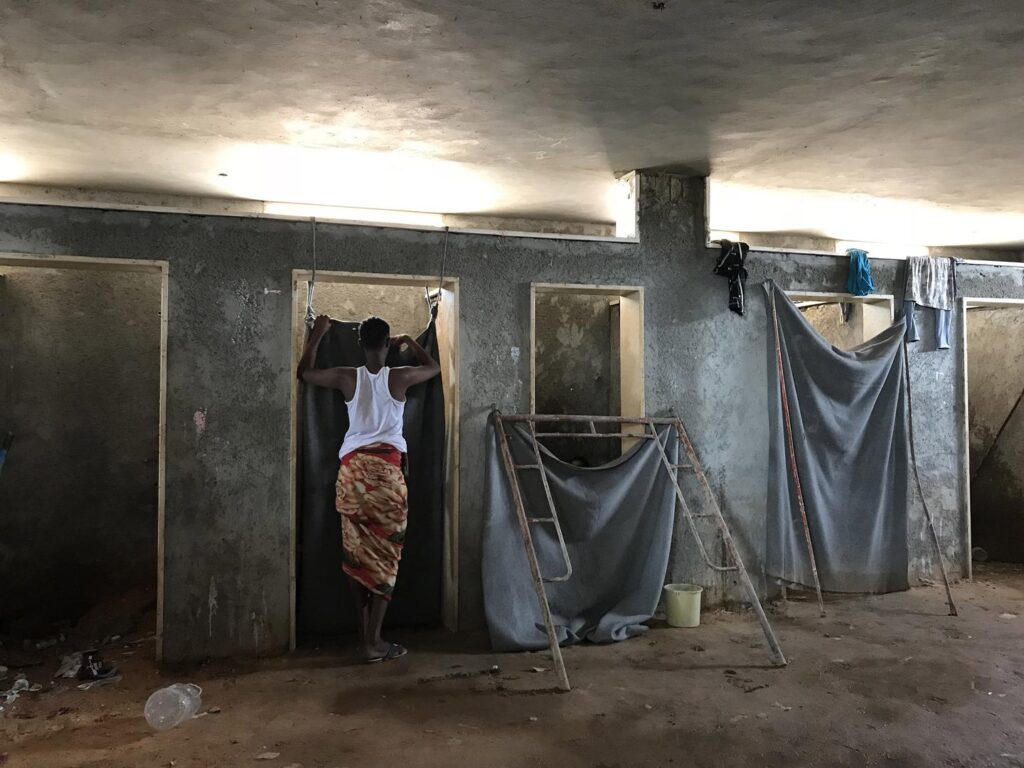
The war-torn nation of Libya has emerged as a crucial departure point on North Africa’s Mediterranean coast, particularly for migrants originating from various parts of Africa. These individuals undertake perilous sea voyages in the hope of reaching Europe.
Addressing the escalating immigration challenges, Libya’s rival administrations reached an agreement last year to establish a Tripoli-based anti-immigration body. This entity is tasked with coordinating the deportation of foreigners found to be in the country illegally.
Mohamad Baredaa, the head of security for the migration agency, disclosed that on Tuesday, the expulsion process was executed at Mitiga airport, involving 163 irregular migrants of Nigerian nationality. This group comprised 107 women, 51 men, and five children.
In collaboration with the International Organization for Migration (IOM), Baredaa further announced plans to repatriate an additional 160 Nigerians from Benina airport in Benghazi later the same day.
An AFP correspondent witnessed the initial group at Tripoli’s Mitiga airport early Tuesday, where they were issued laissez-passers before boarding shuttles to the awaiting plane.
The International Organization for Migration (IOM) estimates that there are currently more than 700,000 migrants in Libya, facing challenging conditions.
Over the past decade, Libya has grappled with violence and instability since the 2011 overthrow and killing of dictator Moamer Kadhafi in a NATO-backed uprising. This tumultuous environment has provided fertile ground for human traffickers, with smugglers and traffickers frequently accused of committing abuses.
In response to the humanitarian crisis, the UN-affiliated organization established a “voluntary humanitarian return” scheme in 2015. This initiative facilitates the arrangement and financing of travel for migrants and asylum seekers in Libya who wish to return to their respective origin countries.
According to IOM figures, the number of individuals departing under the program decreased from 11,200 in 2022 to 9,370 in the previous year.