Just days into a two-week humanitarian ceasefire, violence has erupted again in eastern Democratic Republic of Congo.
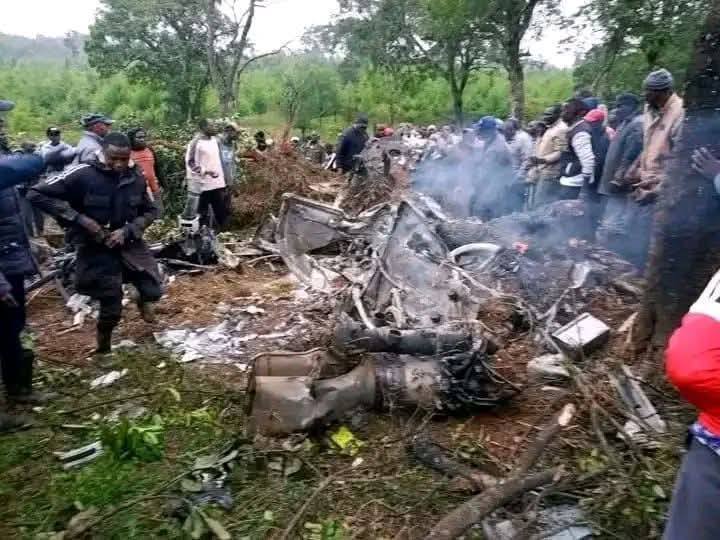
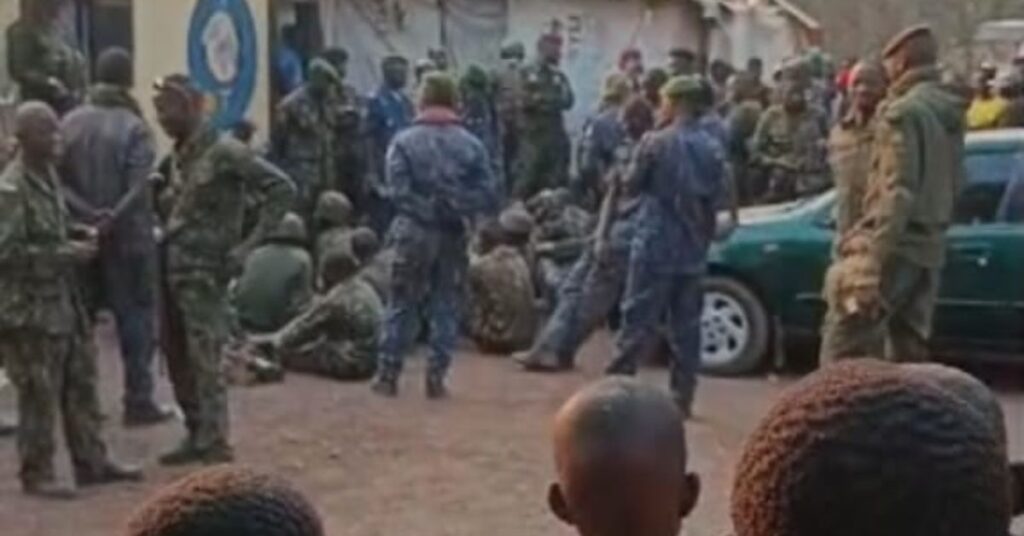
Local sources reported clashes on Friday morning between a local armed group allied with the Congolese army and M23 rebels, raising concerns about the future of the fragile peace agreement.
The ceasefire, brokered by the United States, came into effect on July 5th and was intended to allow for the delivery of critical aid to millions displaced by the ongoing conflict in North Kivu province.
However, fighting resumed near the village of Nyange, roughly 70 kilometers northwest of the provincial capital Goma.
Safari Bindu, spokesperson for one of the armed groups backing the Congolese forces, confirmed the fighting and said it continued into nearby villages.
Residents in the area corroborated his account.
The Congolese military also accused Rwanda of supporting the M23 attack.
The M23 rebels have been making significant gains in recent months, nearly encircling Goma and displacing hundreds of thousands of people.
The UN estimates there are already 2.8 million displaced persons in North Kivu alone.
The shattered ceasefire throws the future of humanitarian efforts into jeopardy. Prior to the fighting, the dire situation in North Kivu was highlighted by the White House.
The recent clashes have further hampered aid delivery to displaced populations and forced additional people from their homes.
The conflict in the mineral-rich eastern DRC has plagued the region for decades, dating back to the regional wars of the 1990s.
The renewed fighting raises concerns about the long-term stability of the region and the well-being of millions caught in the crossfire.