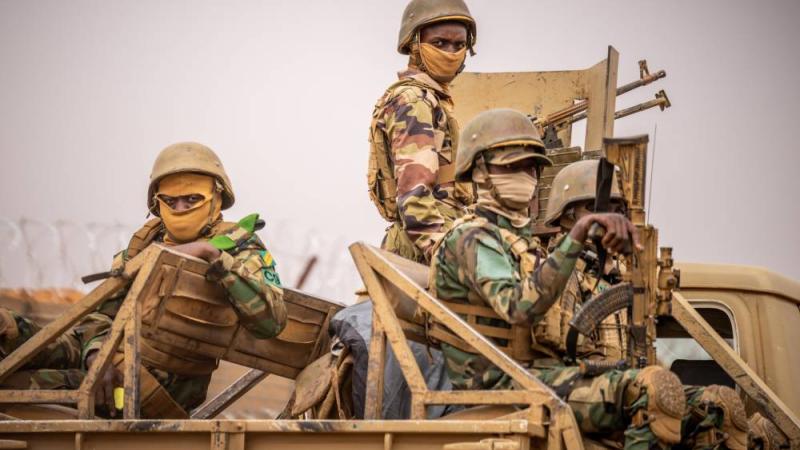
A recent military mutiny in Niger has raised questions about Russia’s expanding role in the Sahel, with analysts warning that protecting allied military rulers could draw Moscow into a prolonged struggle and divert resources from fighting armed groups.
Niger’s ruling junta, led by General Abdourahamane Tchiani, regained control following the unrest in late August. But the episode has highlighted the internal divisions facing military governments that have turned to Russia for security support.
Following successive coups, Niger, Burkina Faso and Mali pushed out French forces and moved closer to Moscow. Russia’s regional military presence has increasingly shifted from the Wagner mercenary group to the Africa Corps following Wagner leader Yevgeny Prigozhin’s rebellion against Moscow and his subsequent death in a plane crash.
Despite those security partnerships, the three countries continue to face attacks by armed groups, including the Al-Qaeda-linked Jama’at Nusrat al-Islam wal-Muslimin, alongside recurring announcements of foiled coups and military rebellions.
Russia has remained silent about its role in suppressing such unrest, according to Erem News. Reports of Russian support for efforts to contain the Niger mutiny have nevertheless prompted concerns about the direction of Moscow’s involvement.
Abdoul Nasser Seydou, a political analyst specialising in African affairs, told Erem News that the events in Niger suggested Russia’s mission was expanding beyond training national armies and countering armed groups to confronting discontent within those same forces.
He warned that this could pull Russian troops into a difficult war of attrition and weaken popular support for Moscow if its forces were seen as intervening against local soldiers.
Seydou argued that Russia risked repeating France’s experience in the region, becoming identified with the survival of ruling authorities rather than their stated counterterrorism objectives. He described those authorities as facing accusations of corruption and repression.
The unrest also comes as armed groups maintain pressure on government forces across Mali, Niger and Burkina Faso.
Ibrahim Habibou, another analyst specialising in African affairs, told Erem News that divisions within national armies could create opportunities for their opponents, including Azawad separatist groups and militants affiliated with Al-Qaeda and Islamic State.
He warned that Russian involvement in suppressing military rebellions could divert attention from intelligence gathering and operations against those groups, giving them greater freedom to manoeuvre.
For Moscow, the analysts’ concerns point to a growing tension between supporting allied rulers and addressing the wider insecurity that helped bring those governments to power.