Nigeria has confirmed an Ebola infection in its capital, Abuja, after laboratory tests detected the virus in a woman who recently travelled from Uganda, prompting an emergency public health response and extensive contact tracing.
Health Minister Muhammad Ali Pate announced the confirmed case on Tuesday, saying the patient had been placed in isolation and was receiving medical treatment.
Authorities have identified 44 people who may have been exposed to the virus and are working to trace and monitor them to prevent further infections.
The confirmation comes as several African countries intensify surveillance amid a major Ebola outbreak in the Democratic Republic of Congo (DRC), which has spread across international borders.
According to additional reporting by the Associated Press, the woman began experiencing symptoms on October 7 and was admitted to a private hospital in Abuja on October 11, several days before her diagnosis was confirmed.
The Nigerian government said health officials were investigating potential exposures involving healthcare workers, other patients, caregivers and travellers who may have come into contact with the woman.
Surveillance has been intensified, while the hospital where she received treatment is being supported with additional infection-control measures.
Regional outbreak raises alarm
The Nigerian case comes amid a rapidly expanding Ebola epidemic in the DRC, where the virus has spread to eight provinces.
As of October 16, Congolese authorities had recorded 9,415 infections and 4,536 deaths, according to figures reported by Reuters.
Kenya also confirmed another infection on Tuesday, bringing its total to nine cases, all linked to an initial patient who travelled from the DRC and died in Nairobi on October 5.
The regional outbreak involves the Bundibugyo species of Ebola, although Nigerian authorities have not yet publicly established whether the Abuja infection is directly linked to the Congolese outbreak or confirmed the virus species involved in the Nigerian case.
Nigeria steps up containment measures
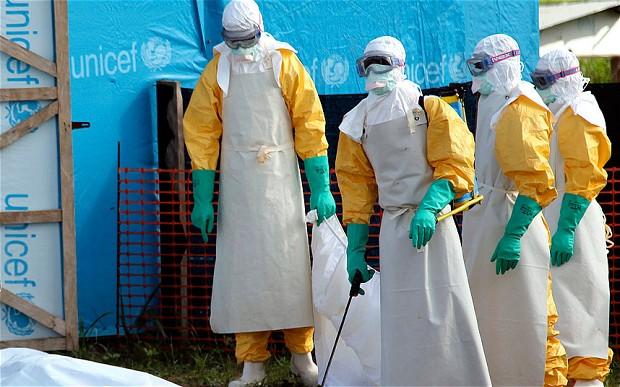
Nigeria’s health ministry has instructed public and private hospitals nationwide to strengthen surveillance, identify suspected infections quickly and enforce strict infection-prevention procedures.
Pate urged the public to remain calm and cooperate with health workers, pointing to Nigeria’s successful containment of an Ebola outbreak in 2014.
Ebola spreads primarily through direct contact with the bodily fluids of infected people or contaminated materials. Symptoms can develop between two and 21 days after exposure.
Health authorities said investigations were continuing and additional updates would be released as contact tracing progressed.