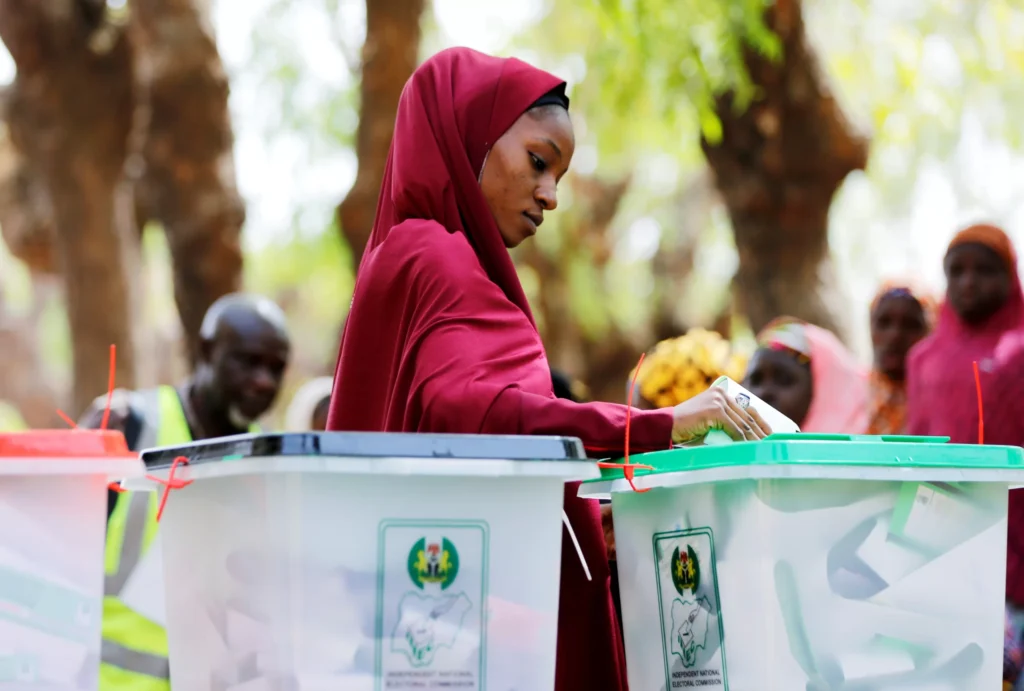
Nigeria’s electoral commission announced Thursday that the country’s next presidential election will take place on January 16, 2027.
The vote was initially scheduled for February 20 but drew criticism from the Muslim community for coinciding with Ramadan.
Political parties are set to nominate their candidates between April 23 and May 30, 2026, ahead of the national contest.
President Bola Tinubu, elected in 2023 with roughly 36 percent of the vote, intends to seek a second term next year.
Tinubu defeated rivals Atiku Abubakar and Peter Obi in the first round, securing a victory that remains historically narrow.
Last week, Tinubu approved a law allowing the real-time electronic transmission of election results across Nigeria’s vast electoral landscape.
Despite the new technology, post-election disputes remain frequent, reflecting longstanding concerns over transparency in Africa’s most populous country.
Election observers warn that political tensions may rise, as credibility of results is still routinely questioned by opposition parties.
The January vote marks an early test for Nigeria’s democracy, amid societal divisions and a complex, high-stakes political climate.
Citizens, civil society, and international monitors will watch closely, seeking fairness in a process often shadowed by controversy.