As the Democratic Republic of Congo (DRC) conducted its presidential, parliamentary, and provincial elections, prominent opposition figures voiced strong dissatisfaction with what they described as “chaotic” and “irregular” voting conditions.
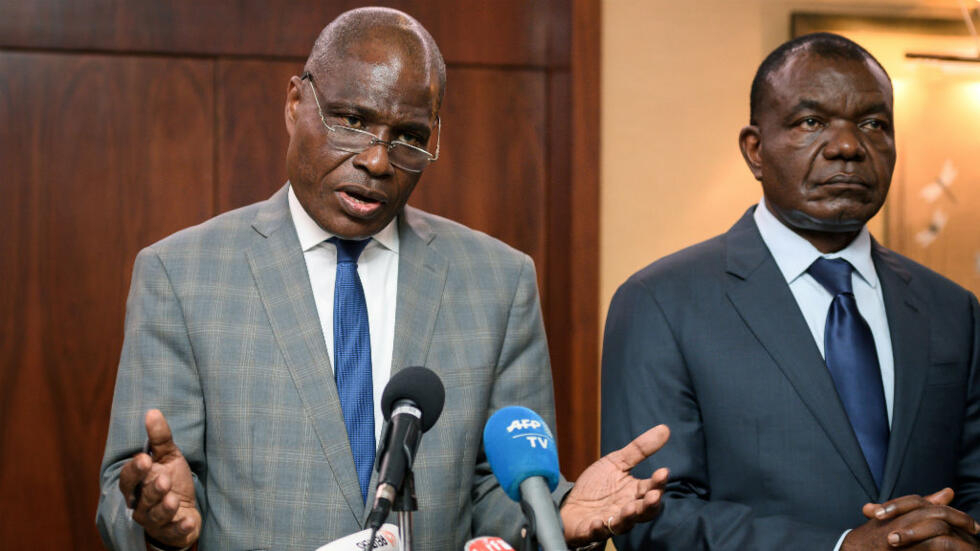
“It’s total chaos, there’s no organisation,” said Martin Fayulu, an opposition candidate and former oil executive, after voting in the centre of the capital, Kinshasa.
Denis Mukwege, another key opposition candidate and Nobel Peace Prize laureate for his efforts supporting rape victims, echoed similar concerns about the elections being marred by irregularities.
Expressing his discontent, Moise Katumbi, a prominent opposition figure and wealthy businessman, highlighted multiple irregularities observed during the voting process in various polling stations.
President Felix Tshisekedi, seeking reelection, came to power following a contested vote in 2018, which some observers believed Martin Fayulu had won.
Reports from various cities across the country, including Kinshasa, Goma, Beni, Lubumbashi, and Tshikapa, noted long delays and logistical issues at polling stations. Voters reported waiting for hours to cast their ballots, while the electoral commission continued delivering voting materials throughout the morning.
The simultaneous holding of multiple elections in the DRC, a country prone to political tensions and contested results, has drawn widespread attention, with opposition candidates and observers closely monitoring the electoral process for fairness and transparency.
Media correspondents on the ground witnessed delays and challenges, further amplifying concerns raised by opposition candidates about the conduct and integrity of the ongoing elections in the country.