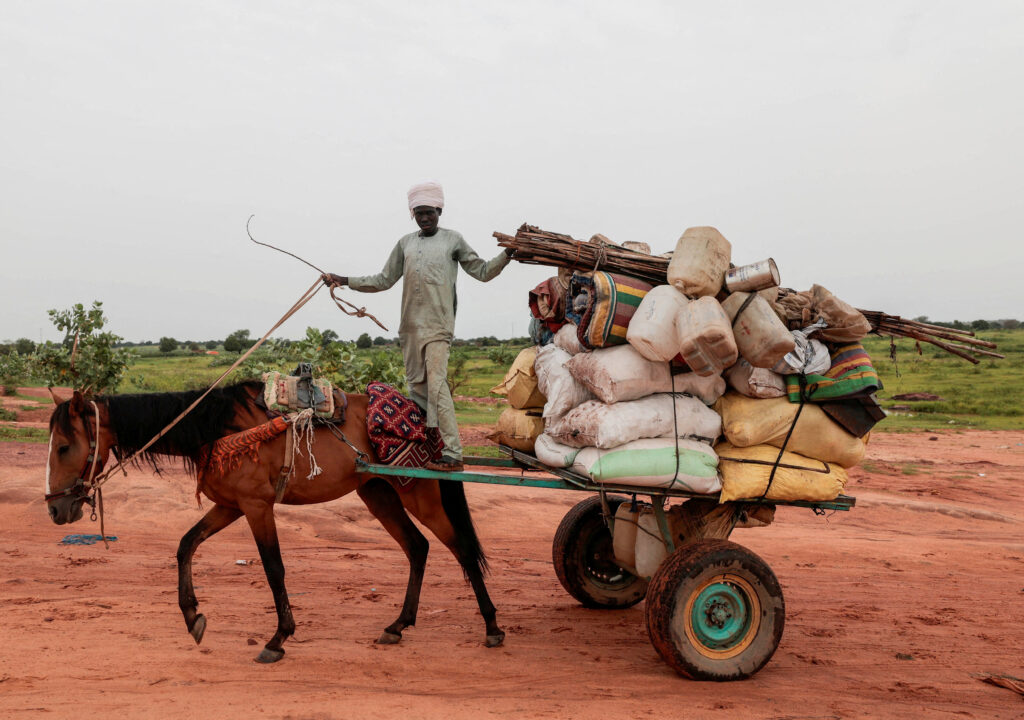
Heavy rainfall has triggered flooding in various regions of Somalia, leading to the displacement of over 113,000 individuals and causing temporary disruption to the lives of hundreds of thousands, as reported by the United Nations Office for the Coordination of Humanitarian Affairs (UNOCHA) on Monday.
This rainfall event follows a year of hardship for the Horn of Africa nation, as it endured its most severe drought in forty years. This drought, coupled with conflict and escalating food prices driven by the war in Ukraine, tragically contributed to the loss of up to 43,000 lives, according to the United Nations.
The ongoing October-December rainy season has witnessed heavy and persistent precipitation in regions such as Puntland, Galmudug, South West, Hirshabelle states, and the areas along the Juba River in Jubbaland State. The United Nations Office for the Coordination of Humanitarian Affairs (OCHA) attributes these intense rains to the El Niño phenomenon.
El Niño is a naturally occurring climate phenomenon characterized by the abnormal warming of surface waters in the central and eastern Pacific Ocean, resulting in global alterations in weather patterns.
“Over 706,100 people have been temporarily affected, with over 113,690 people temporarily displaced from their homes across the country,” the office said in its latest update.
Southwest and Jubbaland states experienced the most significant impact, affecting approximately 536,608 individuals, as reported by OCHA.
Within the Luuq area of the southwest Gedo region, around 2,400 individuals found themselves stranded due to the flooding, according to the agency, which also noted that efforts were underway to facilitate their rescue.
An additional 14,000 families were isolated from the primary town of Baardhere, as reported by OCHA.
Earlier this year, floods forced a quarter of a million individuals out of their residences when the Shabelle River in central Somalia overflowed and inundated the town of Beledweyne.
Humanitarian organizations and researchers have cautioned that climate change is one of the significant drivers behind the acceleration of humanitarian crises, disproportionately affecting those who bear the least responsibility for CO2 emissions.