More than 80 political parties and civil society organizations in Mali have united in a collective call for the prompt organization of a presidential election, signaling an end to the transitional military rule that has persisted since successive coups in 2020 and 2021.
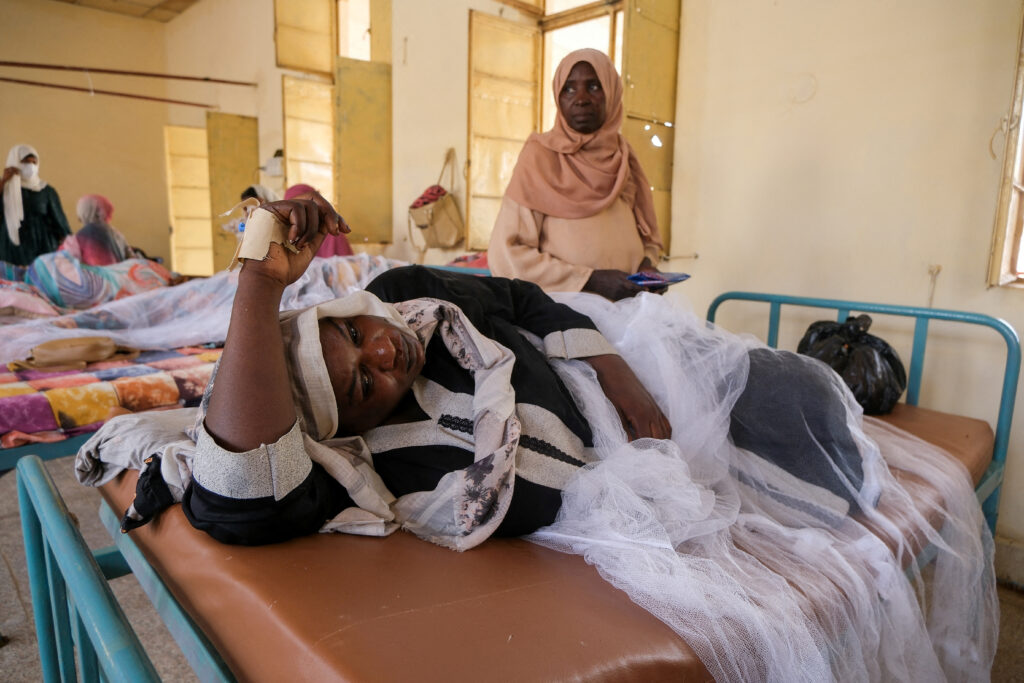
The nation finds itself in the grip of a multifaceted crisis, encompassing security challenges alongside humanitarian and political turmoil.
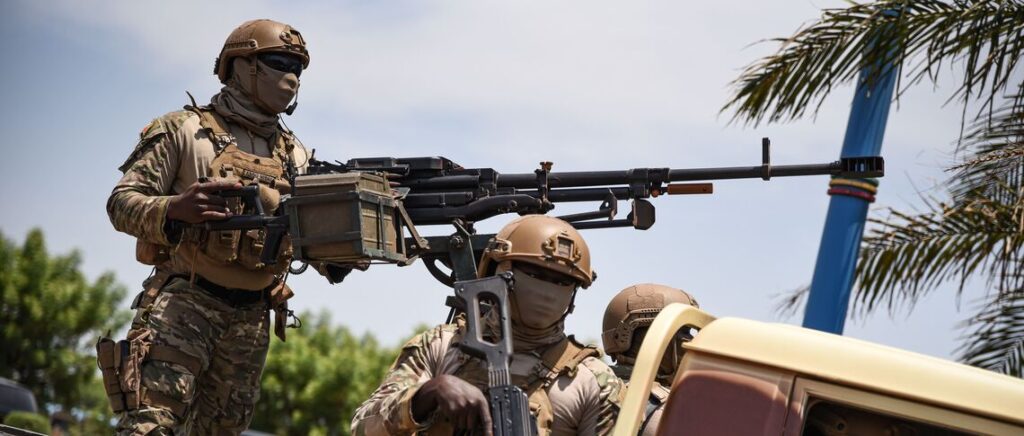
Under the leadership of Colonel Assimi Goita, the junta had initially announced a transition back to civilian governance by March 26, 2024, following a presidential election scheduled for February. However, the election was delayed, and subsequent communication from the junta left uncertainties regarding their plans.
In a concerted effort, numerous political and civil groups emphasized that the transition period’s expiration on March 26 necessitates urgent action. They have urged the junta to initiate inclusive dialogues, establish institutional frameworks, and promptly facilitate a presidential election.
In a joint statement released on Sunday, the first coalition of Malian organizations and political entities underscored the imperative for immediate steps toward constitutional governance. Similarly, the Network of Human Rights Defenders in Mali echoed these sentiments, stressing the urgency to restore constitutional order amidst the country’s profound challenges.
Criticism and dissenting voices against the junta have faced constraints, with opposition voices notably marginalized through measures promoting national unity and restrictive actions. Recently, the junta moved to ban activities of an emerging opposition coalition in Bamako, citing concerns over public disorder.
This coalition, critical of the junta’s policies, has proposed alternative strategies to address Mali’s enduring turmoil, exacerbated by the presence of various extremist groups since 2012. The United Nations, in a statement from March, highlighted the dissolution of several organizations since December 2023, including those advocating for good governance, electoral integrity, and opposition representation.