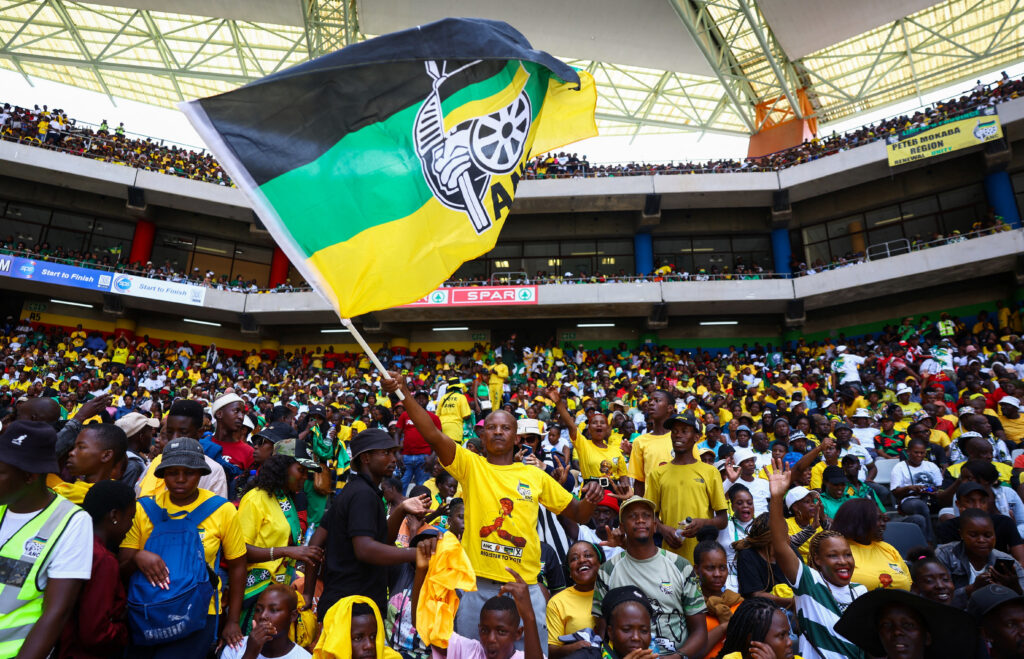
South Africans will vote in national and provincial elections on May 29, with polls indicating that the African National Congress (ANC) may lose its 30-year hold on power.
After the vote, the newly elected National Assembly will select the country’s next president from among its members.
HOW DOES SOUTH AFRICA’S ELECTORAL SYSTEM WORK?
Voters will elect a 400-member National Assembly, as they have done every five years since the end of apartheid in 1994. The number of seats each party receives is proportional to its share of the vote. In the last election, the ANC won 57.5% of the vote, translating to 230 seats.
WHAT IS THE VOTING PROCESS?
Voting stations will be open on Wednesday, May 29, from 0500 GMT to 1900 GMT. Voters will receive three ballots:
- A national ballot listing political parties vying for 200 seats in the National Assembly.
- A “province-to-national” ballot for parties and independent candidates seeking to represent South Africa’s nine provinces in the National Assembly, also accounting for 200 seats.
- A provincial ballot to elect members of the provincial legislatures.
HOW MANY PEOPLE CAN VOTE?
The Independent Electoral Commission reports that 27.79 million people are registered to vote, up from 26.74 million in 2019. South Africa’s population is around 62 million. Voter turnout in 2019 was 66%, down from 73% in 2014, and is expected to decline further this year.
WHO ARE THE CANDIDATES?
Seventy political parties and 11 independent candidates will contest the national and provincial elections, with 52 parties listed on the national ballot. Key competitors include the ruling ANC, led by President Cyril Ramaphosa, the pro-business Democratic Alliance, the Marxist Economic Freedom Fighters, and numerous smaller parties.
WHEN WILL WE KNOW THE RESULTS?
The electoral commission typically begins releasing partial results within hours of the polls closing. The full national picture will unfold over the following days, with the commission legally required to announce complete results within seven days. In the 2019 election, final results were announced three days after voting.
WHAT HAPPENS NEXT?
The National Assembly must hold its first sitting within 14 days of the election result declaration to elect the president. If no candidate secures over 50% of the vote in the first round, additional rounds will be held. If no party achieves a majority, as polls suggest may happen this year, coalitions will be necessary to elect a president, a scenario yet to occur in South Africa’s post-apartheid history.