Three coordinated suicide bombings ripped through the Nigerian border town of Gwoza on June 30th, marking a resurgence of militant violence in the region.
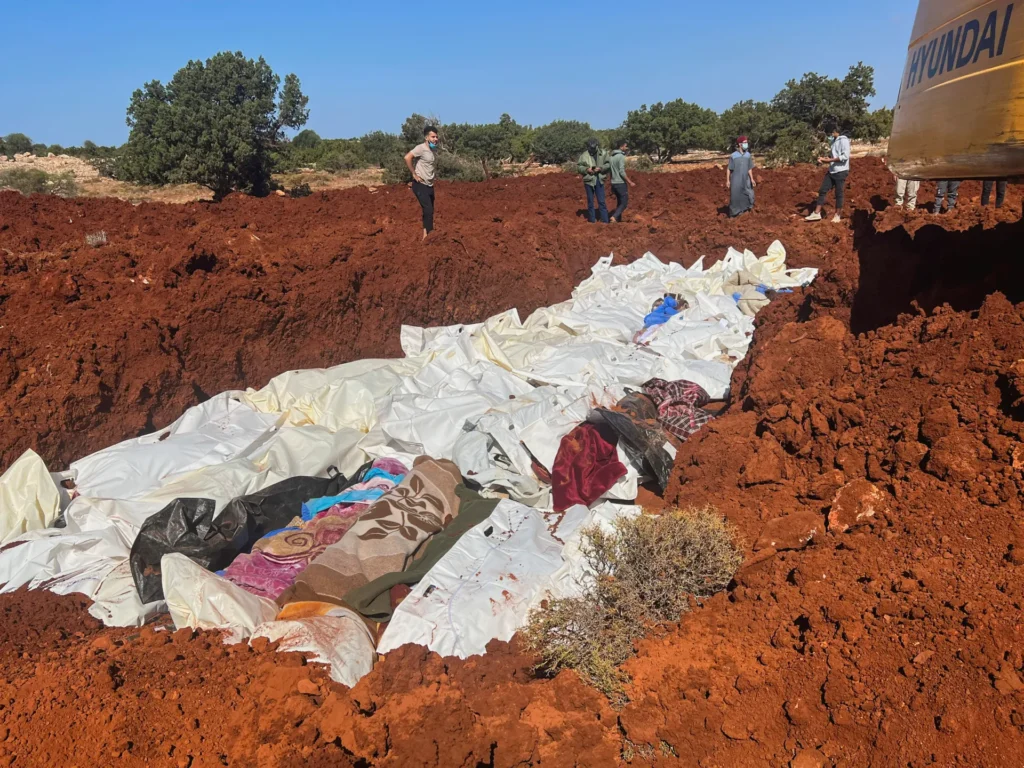
This attack, the first involving female bombers since 2020, targeted a wedding, a funeral, and a hospital, leaving at least 32 dead and shattering a sense of normalcy in Borno state.
The bombings came just days after Nigerian officials declared success in degrading extremist groups like Boko Haram.
This claim now faces scrutiny, with security analysts pointing out the intricate planning required for such coordinated attacks.
Locals in Borno, a longstanding hotspot of insurgency, expressed renewed fear and questioned the safety of their communities, particularly with some villages lacking a strong security presence.
While Boko Haram hasn’t claimed responsibility, the group’s fingerprints are evident. Founded in 2009, they’ve waged a brutal insurgency.
Though their lethality has decreased since their peak in 2014, the group remains a potent threat.
Leader Abubakar Shekau’s death in 2021 weakened them, but their “operational prowess” persists, as noted by Africa security expert Cameron Hudson.
The attack’s purpose could be multifaceted. Vincent Foucher, of the International Crisis Group, suggests it’s a deliberate attempt to disrupt the narrative of a normalized security situation in Borno.
The bombings also raise concerns about future attacks, as Hudson suggests such events are often part of a broader strategy.
These bombings serve as a stark reminder that the “world’s longest war” in Nigeria is far from over.
The number of future attacks and the Nigerian military’s response will be key indicators of the insurgency’s current strength and the government’s ability to combat it.
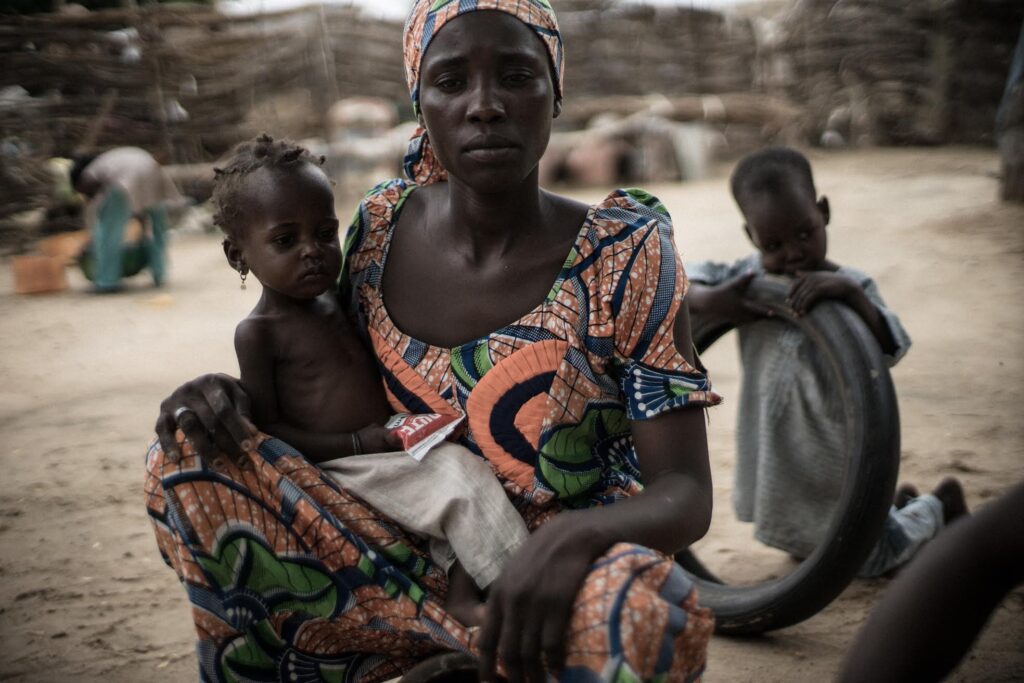
The people of Borno, already grappling with the scars of past violence, now face renewed uncertainty about their safety and the future of their communities.