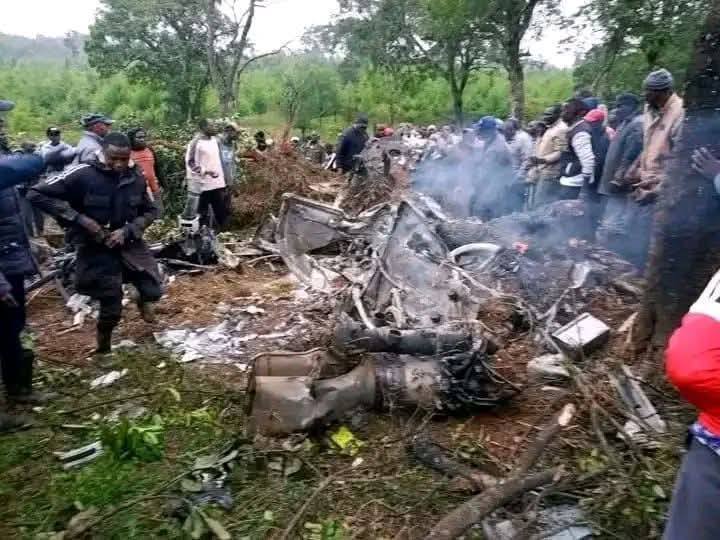
A brazen militant attack on the village of Ntontwe in northern Mozambique has left three people dead and 43 homes and businesses incinerated, casting fresh doubt on the province’s shaky security situation. The assault underscores the persistent threat posed by extremist groups despite the presence of international forces.
Located on the crucial northeastern highway in Cabo Delgado province, Ntontwe has borne the brunt of militant violence on multiple occasions. Wednesday’s attack, confirmed by security sources, witnessed the brutal burning of nearly the entire village, leaving residents displaced and traumatized.
“Our lives were turned upside down,” lamented a village leader. “They ravaged and burned everything in sight, leaving nothing but ashes and grief.”
Ntontwe had only recently seen a cautious return of residents, lured by a semblance of stability fostered by the deployment of Rwandan troops last year. With a population estimated at 5,000 in October, the village was receiving basic support from NGOs like Médecins Sans Frontières and Solidarités International.
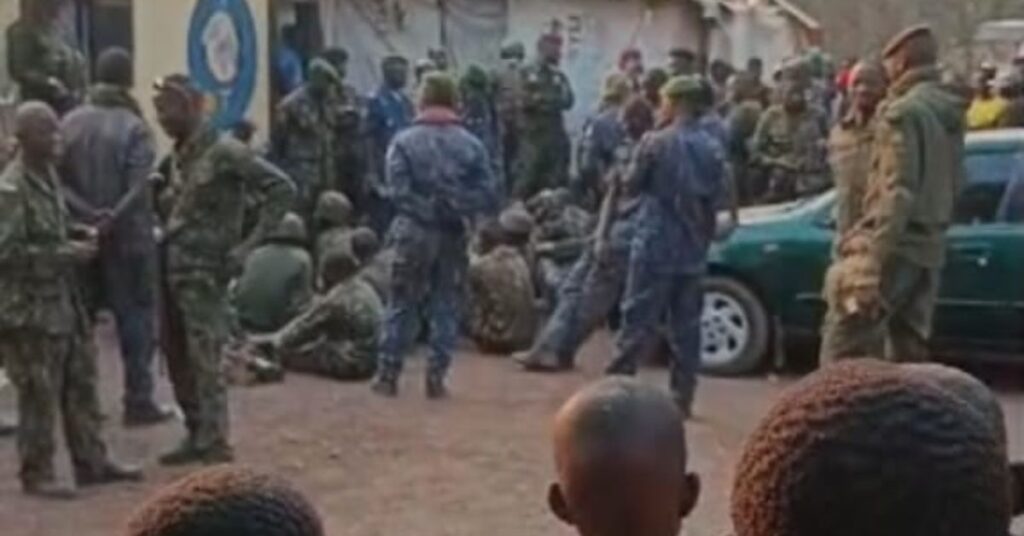
However, the military presence proved woefully inadequate during the attack. “Our soldiers simply vanished when the trouble started,” revealed another community leader, raising concerns about their commitment and preparedness. “It seems they even abandoned their uniforms to avoid being targeted.”
This incident raises critical questions about Mozambique’s ability to contain the militant insurgency despite the support of African partners. While regional forces, deployed in July 2021, have helped regain control over significant swathes of Cabo Delgado, pockets of vulnerability remain.
The attack on Ntontwe, occurring within striking distance of a major Rwandan military base, exposes the gaps in security and the ongoing threat posed by militants. Whether Mozambique can effectively protect its citizens and foster lasting peace in the wake of such attacks remains a pivotal challenge.
The road ahead demands both a strengthening of local security forces and a comprehensive approach that addresses the root causes of the insurgency, including poverty and social inequities. Only then can the people of Cabo Delgado hope for a future free from the constant fear of violence and displacement.