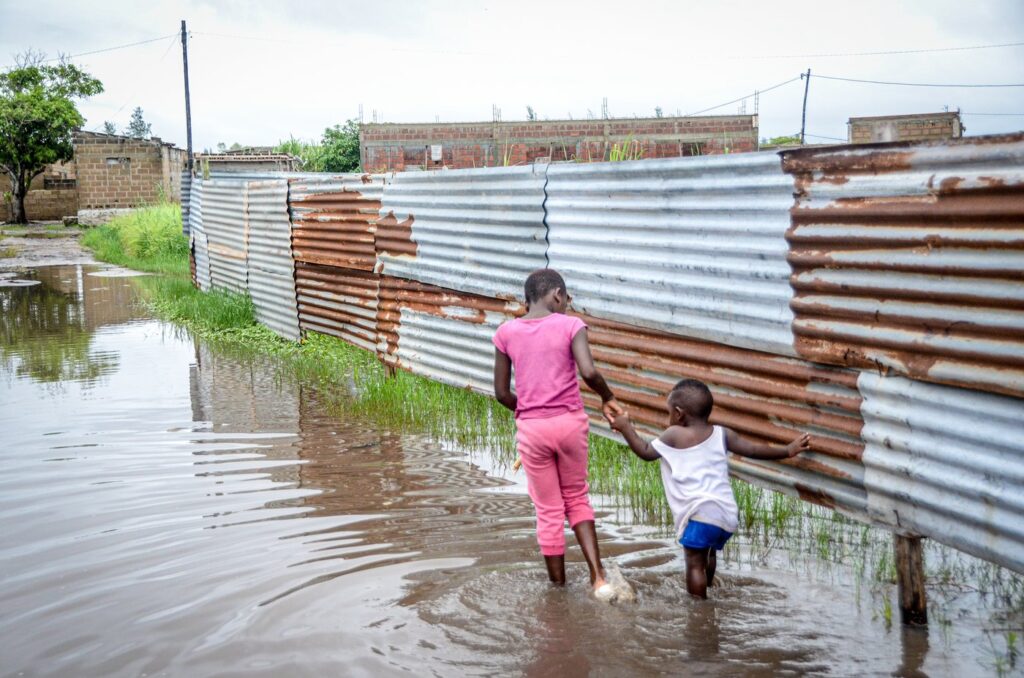
Torrential rains and sweeping floods have killed more than 100 people across southern Africa, leaving shattered communities and deepening an unfolding humanitarian crisis.
Authorities in South Africa, Mozambique and Zimbabwe said the unusually intense rainy season has triggered deadly floods, infrastructure collapse and mass displacement across wide areas.
In South Africa, at least 19 people have died in northern provinces, where swollen rivers tore through villages and washed away roads and bridges.
Helicopters evacuated hundreds of tourists and workers from the famed Kruger National Park, now closed as floodwaters swallowed camps and cut off access routes.
Mozambique has recorded at least 103 deaths since late last year, with victims killed by drowning, collapsing buildings, lightning strikes and disease outbreaks.
More than 200,000 people have been affected there, as thousands of homes lie damaged and tens of thousands prepare for possible evacuation.
Zimbabwe’s disaster agency reported at least 70 deaths and the destruction of more than 1,000 homes since the beginning of the year.
Schools, roads and bridges have collapsed across the country, turning once-busy routes into muddy scars and isolating rural communities.
Flooding has also struck Madagascar, Malawi and Zambia, where officials warn that further rain could worsen the devastation.
Scientists say the La Niña weather pattern may be intensifying rainfall, fuelling floods in at least seven southern African nations.
South African President Cyril Ramaphosa visited stricken areas in Limpopo province, describing neighbourhoods erased as if “wiped from the face of the Earth.”
The South African Weather Service issued a red-level alert, warning that further downpours could threaten lives and cause widespread destruction.
The army has deployed helicopters to rescue residents stranded on rooftops and trees, including officers trapped at a flooded border post.
The World Food Programme said floods have submerged more than 70,000 hectares of crops in Mozambique, worsening food insecurity for vulnerable farmers.
Southern Africa has endured repeated climate shocks in recent years, with cyclones, droughts and now floods carving deep wounds into fragile livelihoods.